


Table of Contents
Scream is the first Series 5 card joining Marvel Snap for the October season We Are Venom. It is a 2-Cost, 2-Power card that reads: When an enemy card moves, steal 2 Power from it. (once per turn). Today, we will take a deeper look at the new card and, of course, the best decks to try it out in.

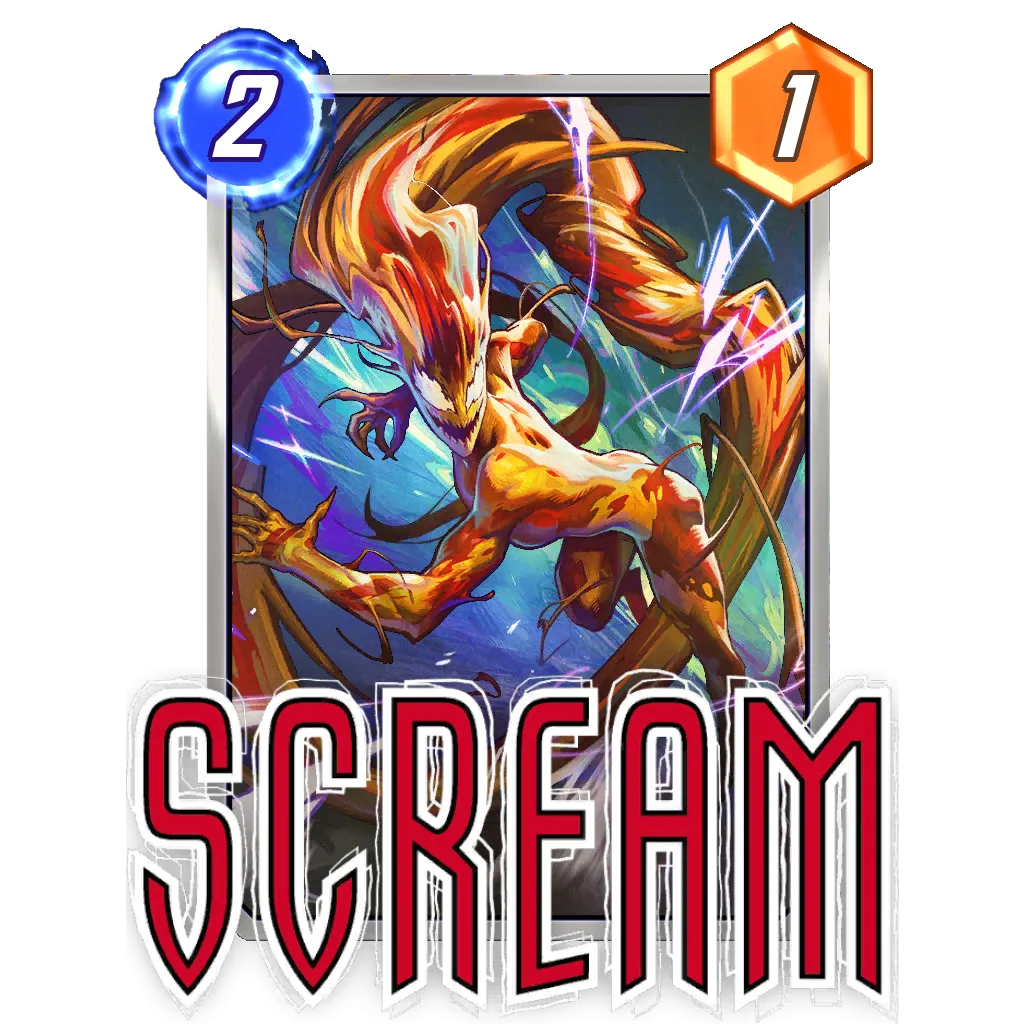


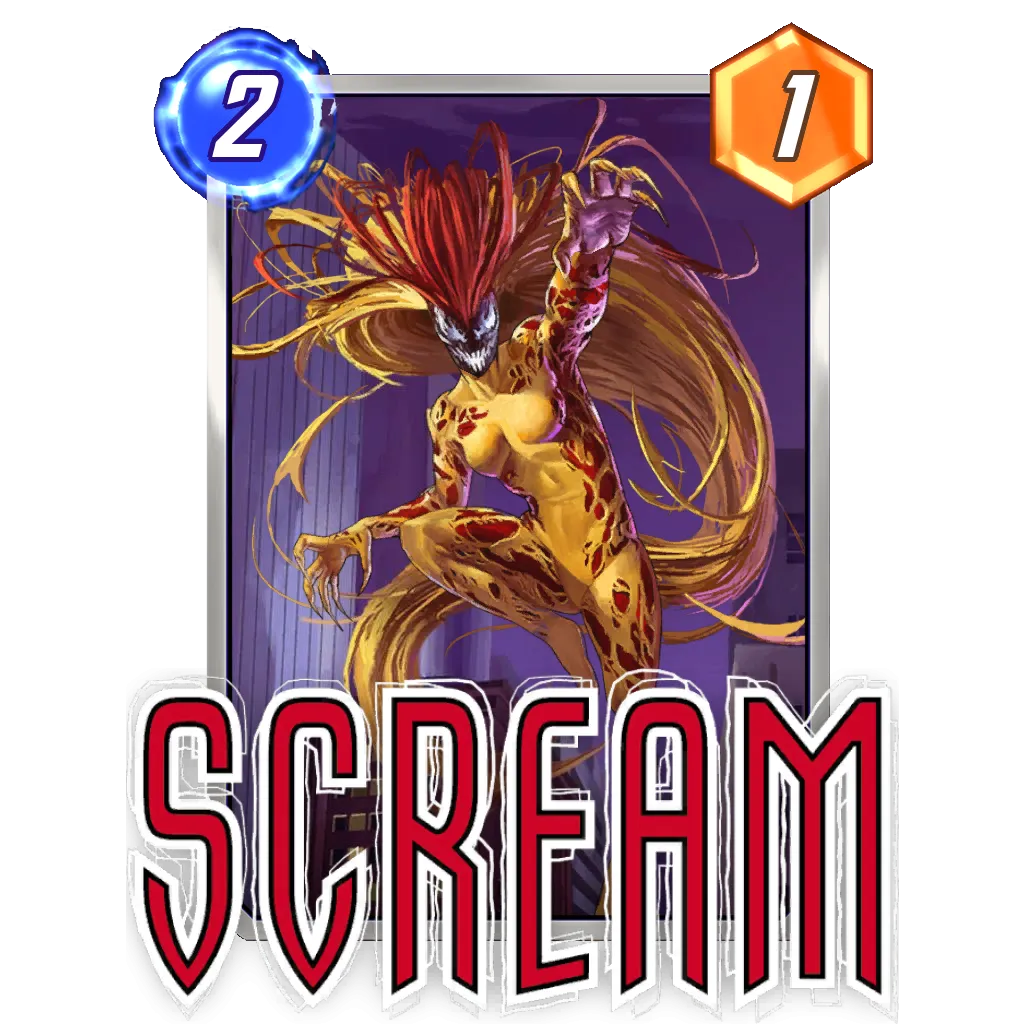


 Decks with Scream
Spotlight Cache
Series 5 cards can be purchased for 6,000 Collector’s Tokens from the Token Shop initially as a Weekly Spotlight card, or opened as one of the featured cards in the Spotlight Caches that are found every 120 Levels on the Collection Level Track after Collection Level 500 (until the next new card releases the following week).
Strengths and Weaknesses
Scream comes in as a counter card to the Move synergy. She’s more than just a building block for a specific archetype, so, before I discuss the cards that would logically help Scream grow in power, let’s discuss the cards that she should help you gain an edge against.

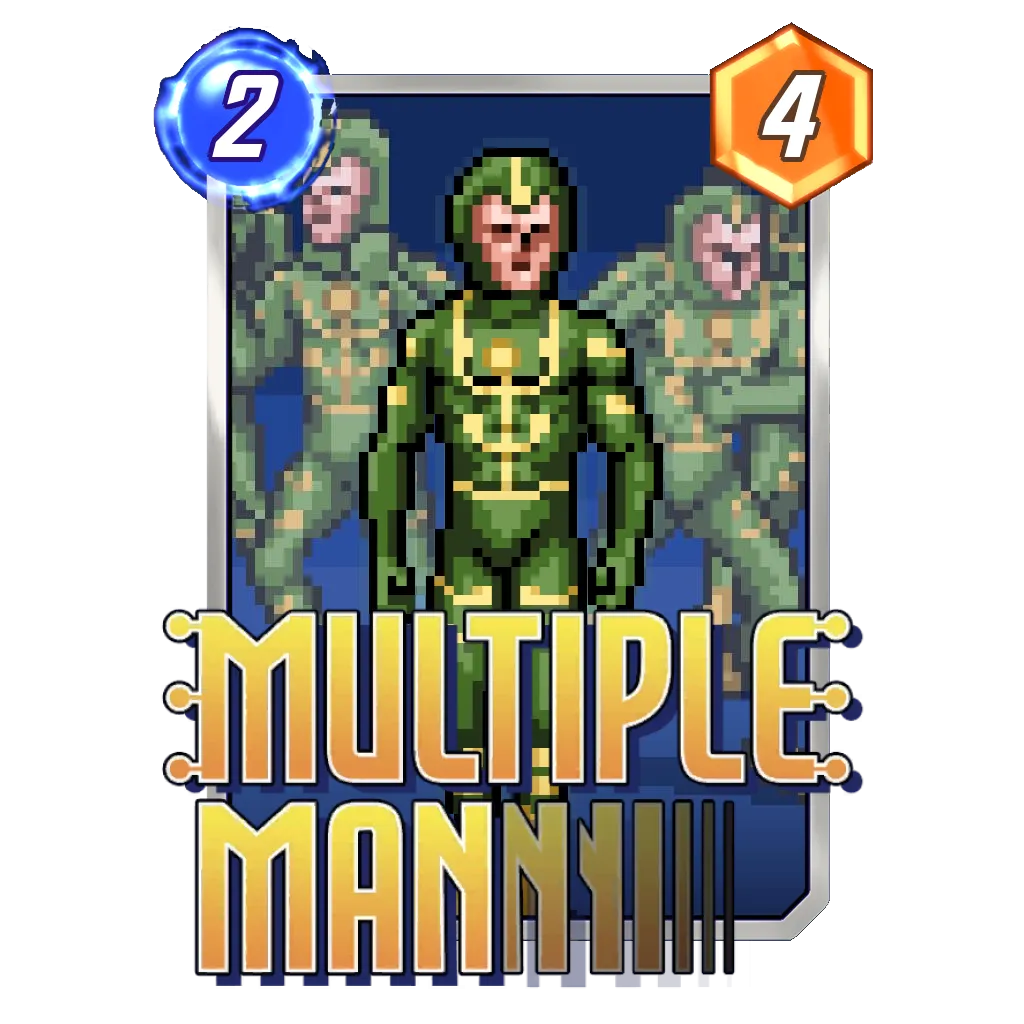


 Decks with Multiple Man






 Decks with Dagger









 Decks with Jeff the Baby Land Shark


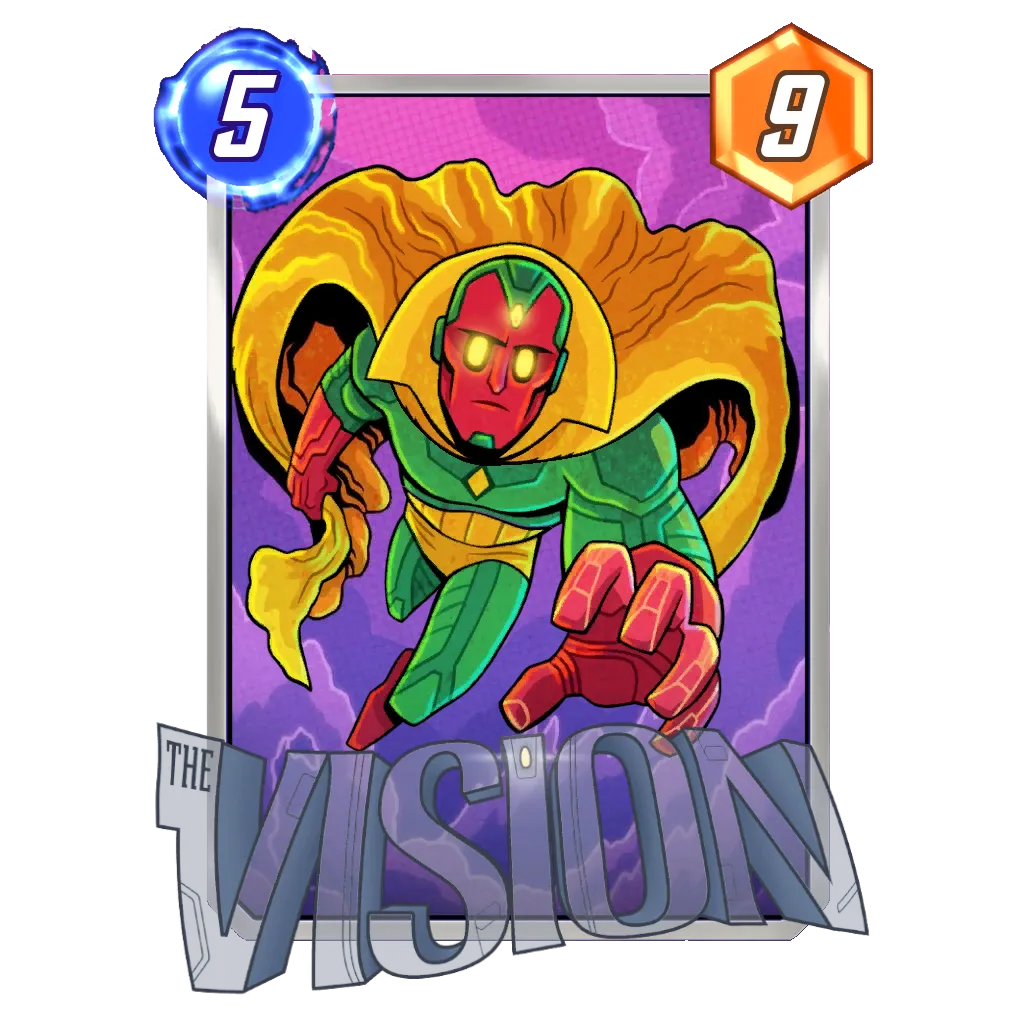





 Decks with Madame Web




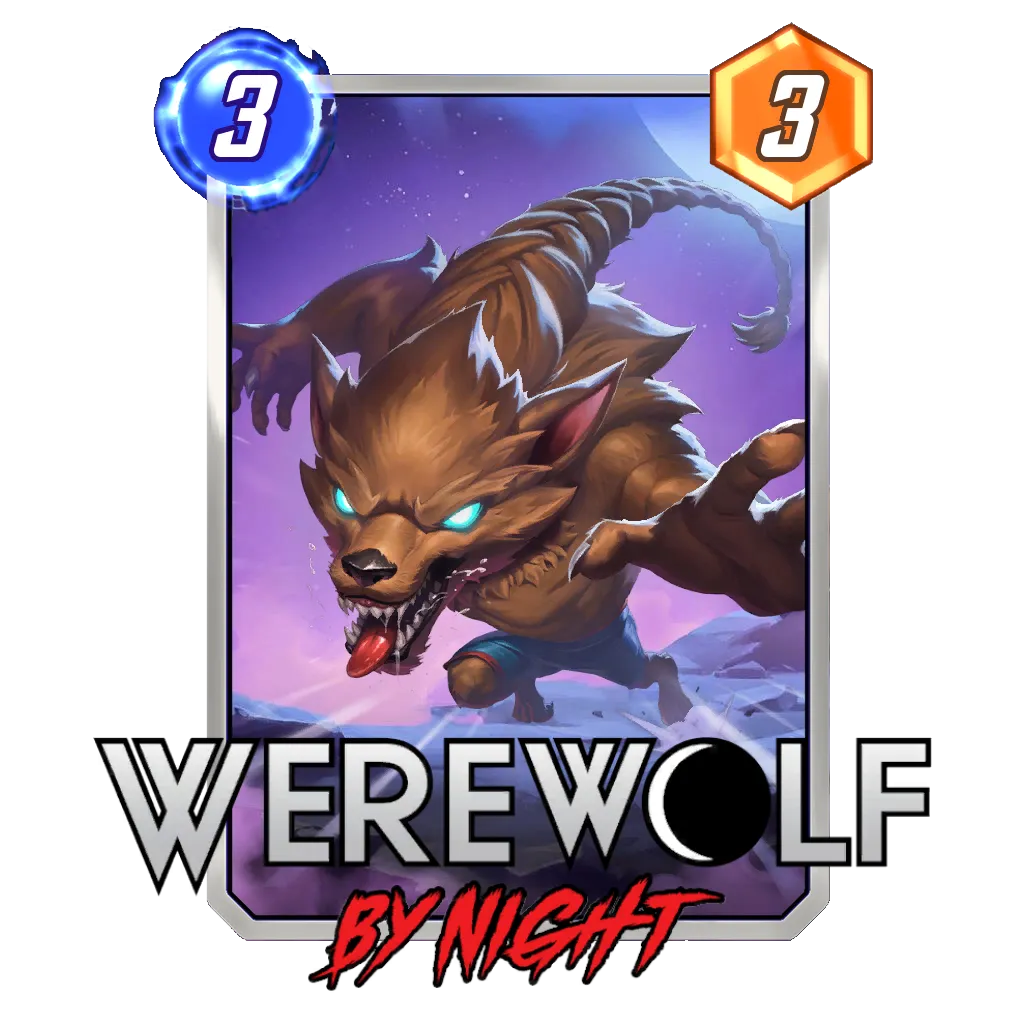

 Decks with Werewolf By Night
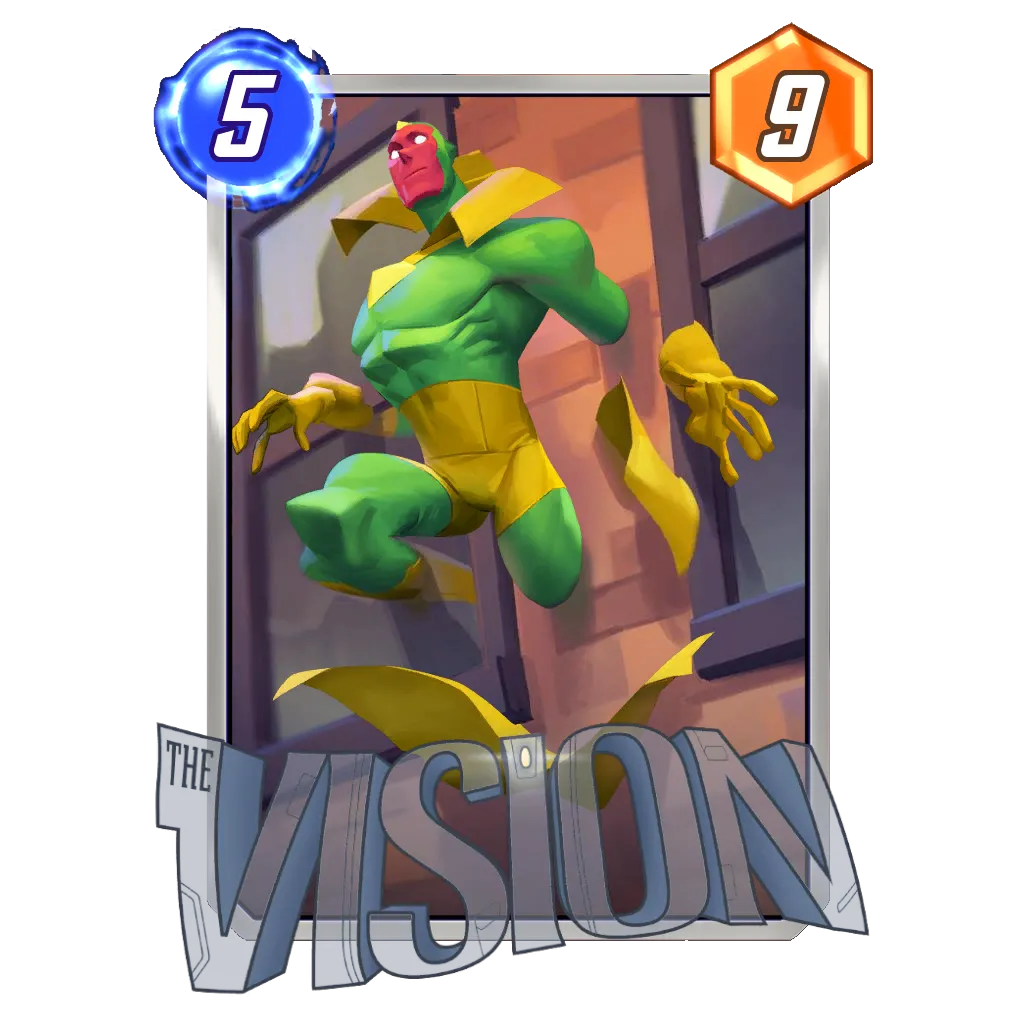
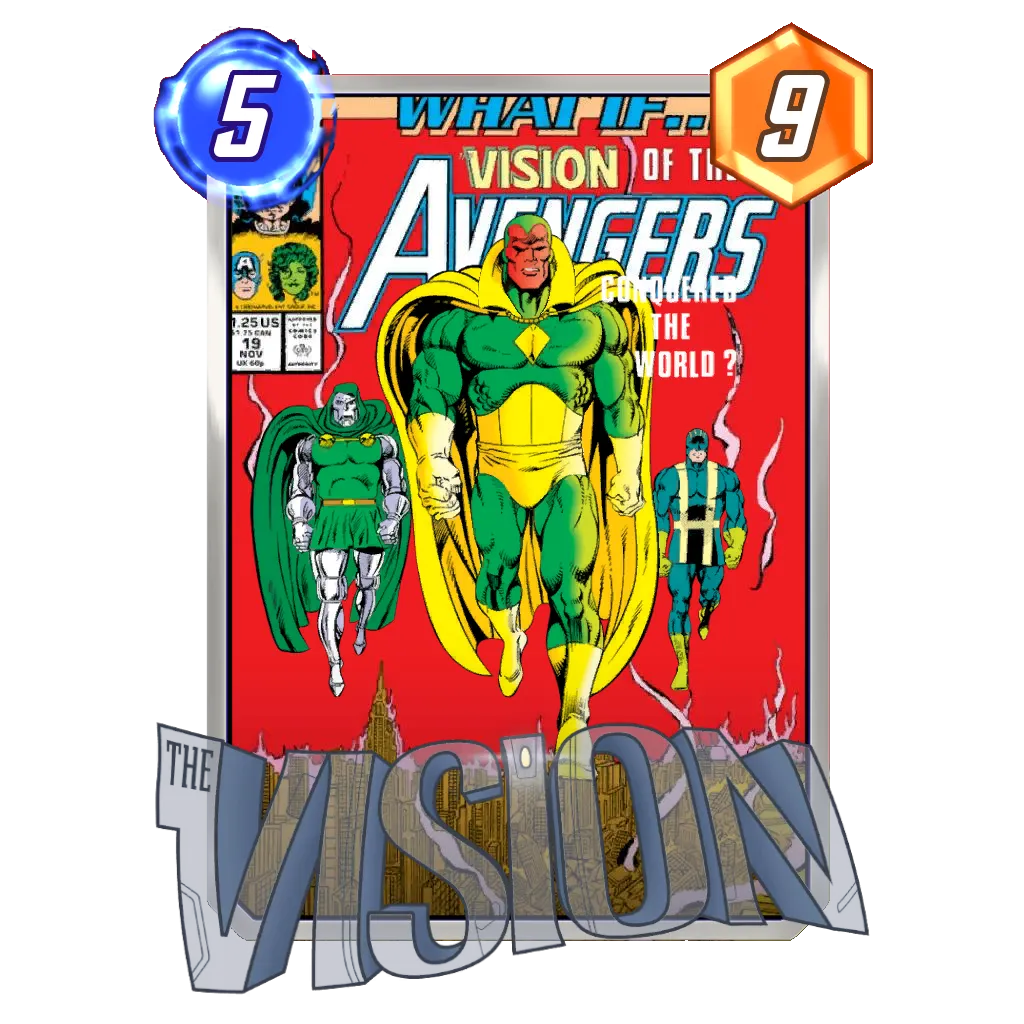
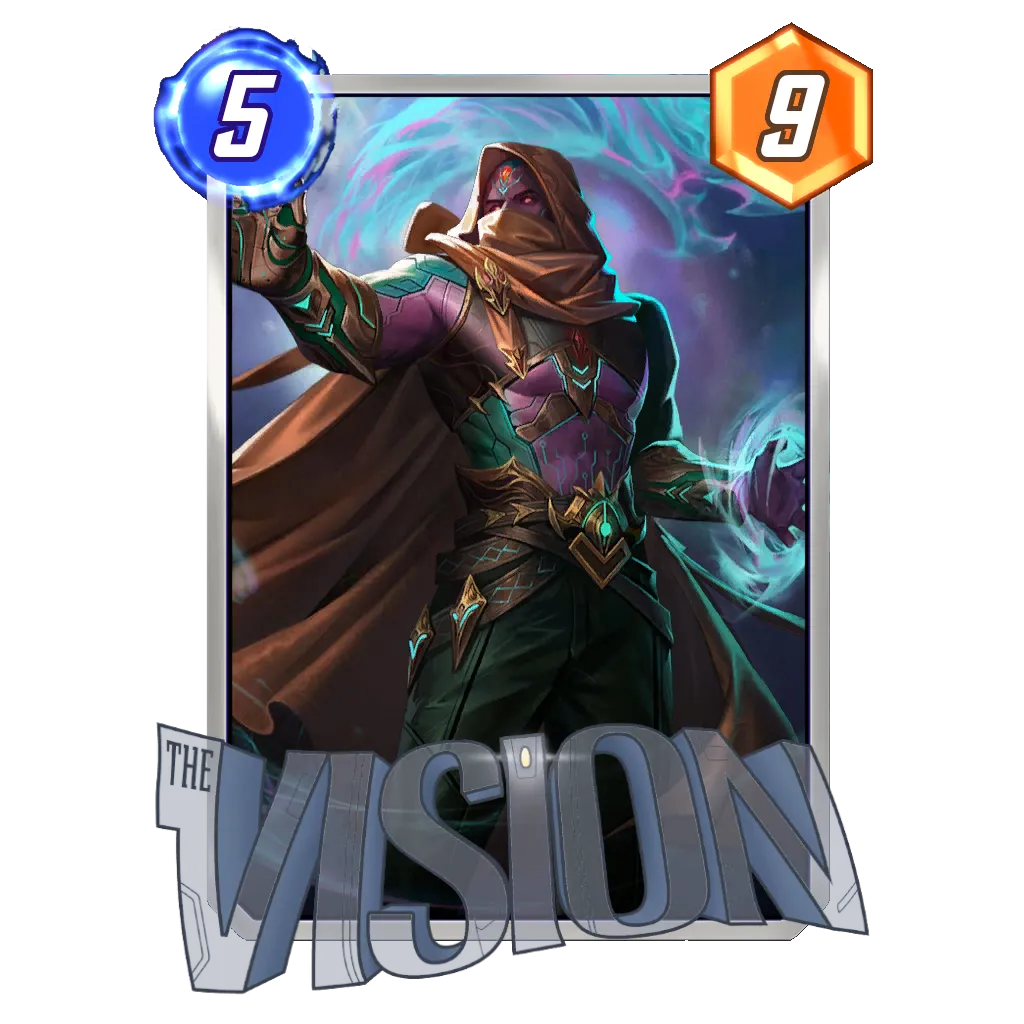
There are plenty more cards looking to benefit from moving in Marvel Snap, but the two big categories are those you move to grow their power (Vulture, Dagger, Human Torch, Multiple Man) and those you move for flexibility (Nightcrawler, Captain Marvel, Nocturne). Madame Web is a Move enabler in various archetypes (like Lockdown, for example), so Scream has some upsides against a variety of decks. Heck, I could have even mentioned Grand Master as well!
Naturally, the first category should be more beneficial to Scream since those cards are looking to move every turn of the match. However, just one card moving during a match might be enough to make Scream a decent prospect. Indeed, by stealing two power from a card, Scream will effectively become a [2/6], which is enough to be among the highest power 2-Cost cards in Marvel Snap.
If you start to think about Scream in the context of opposing cards moving every turn, the card becomes bonkers. So good, in fact, that it might actually reduce the popularity of the Move archetype, thus making Scream a little worse.


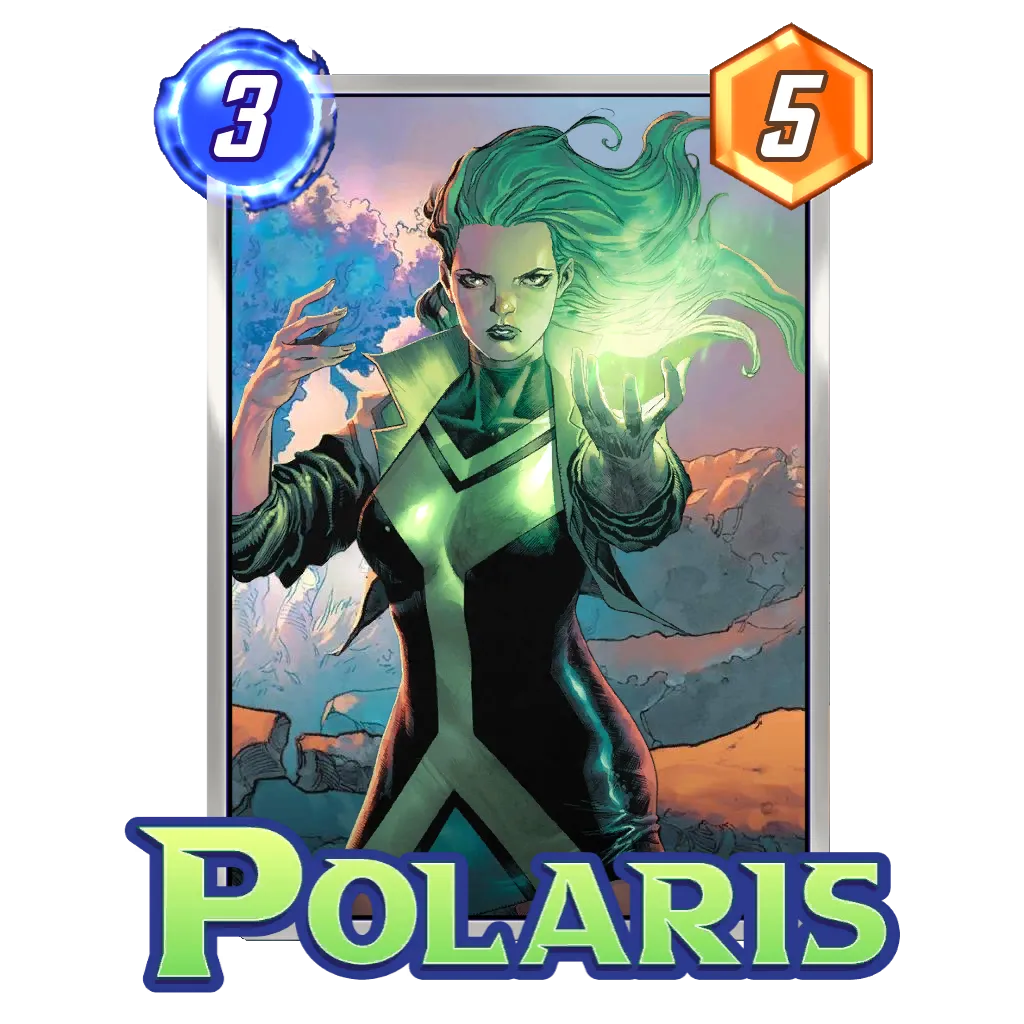



 Decks with Polaris

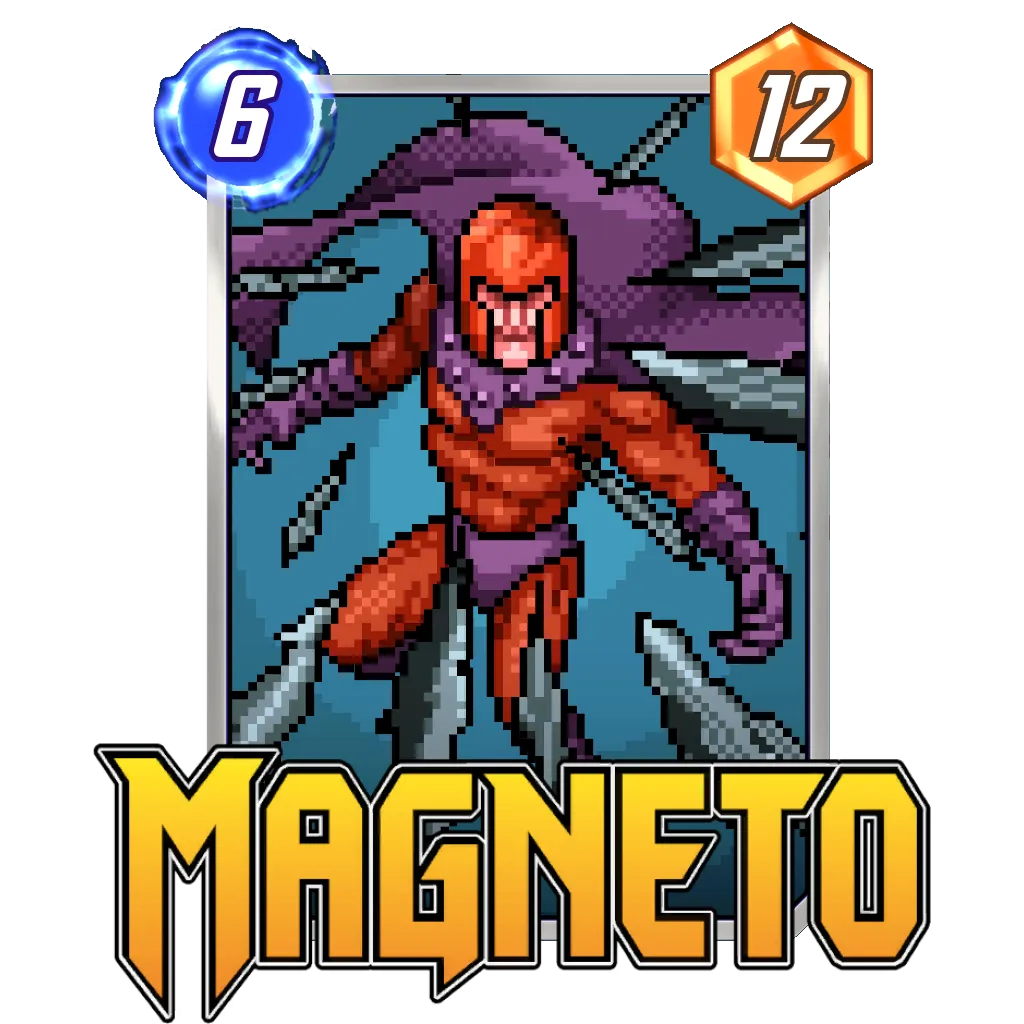


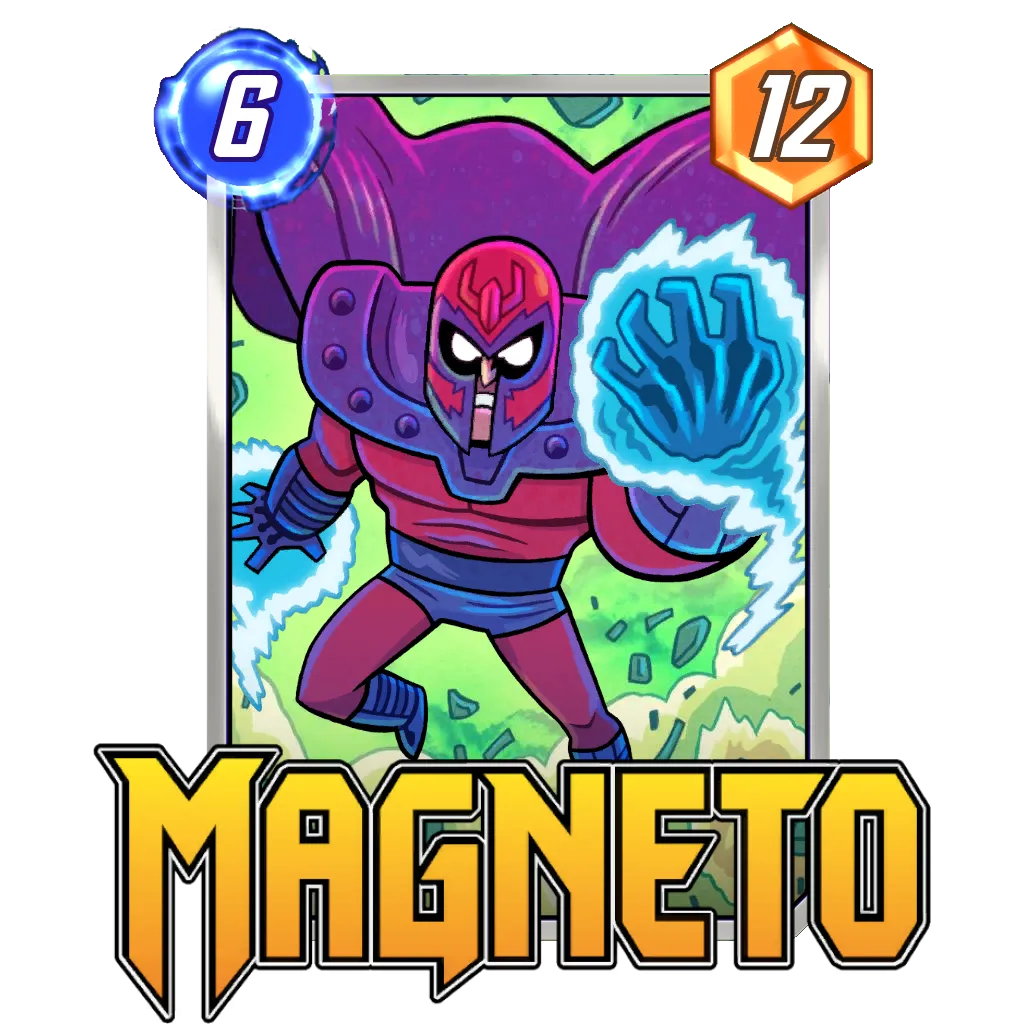


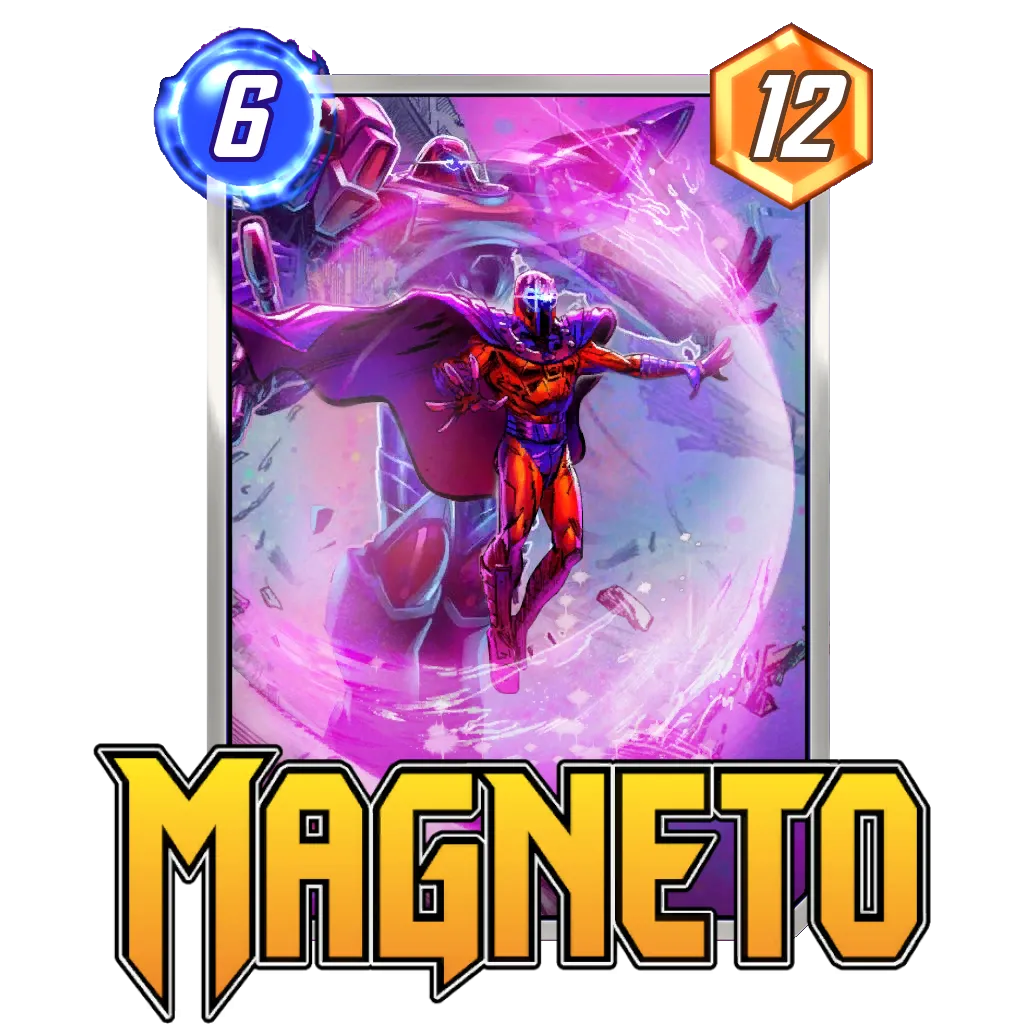


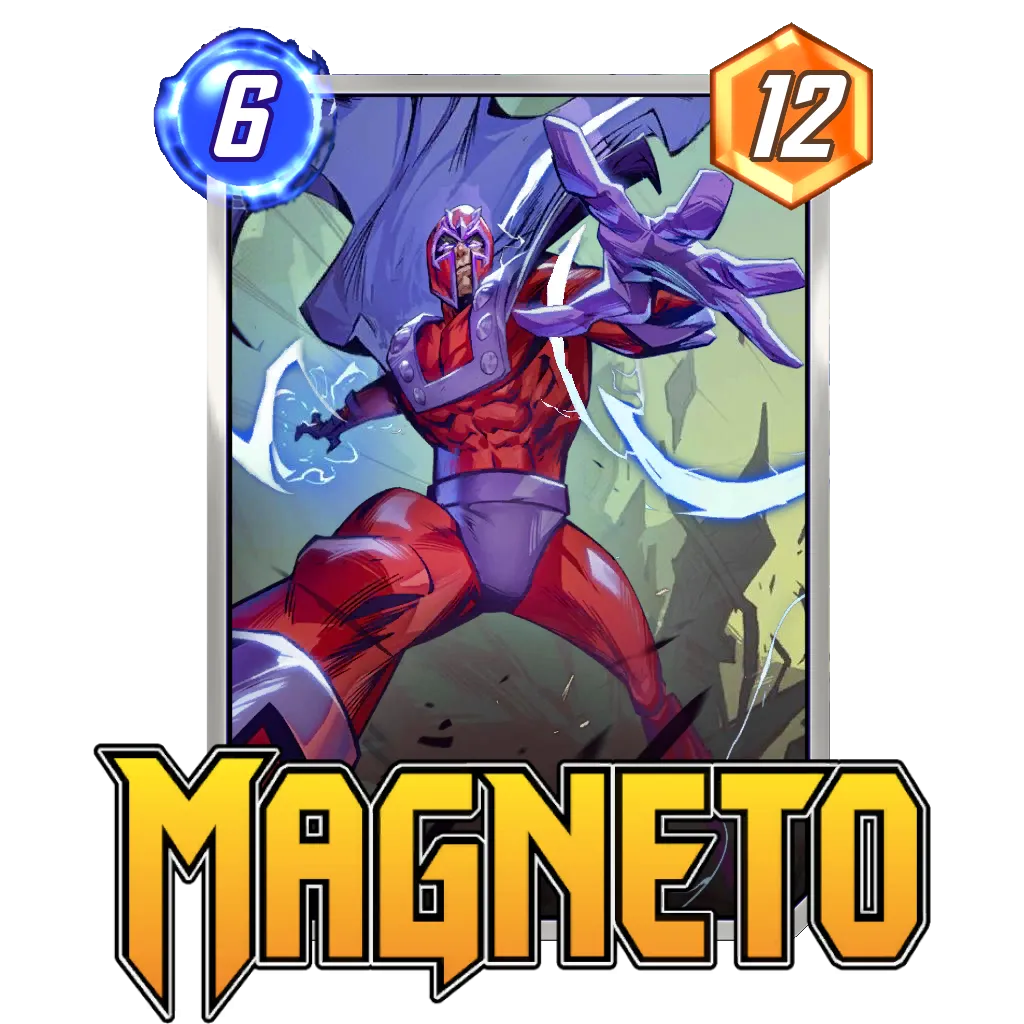


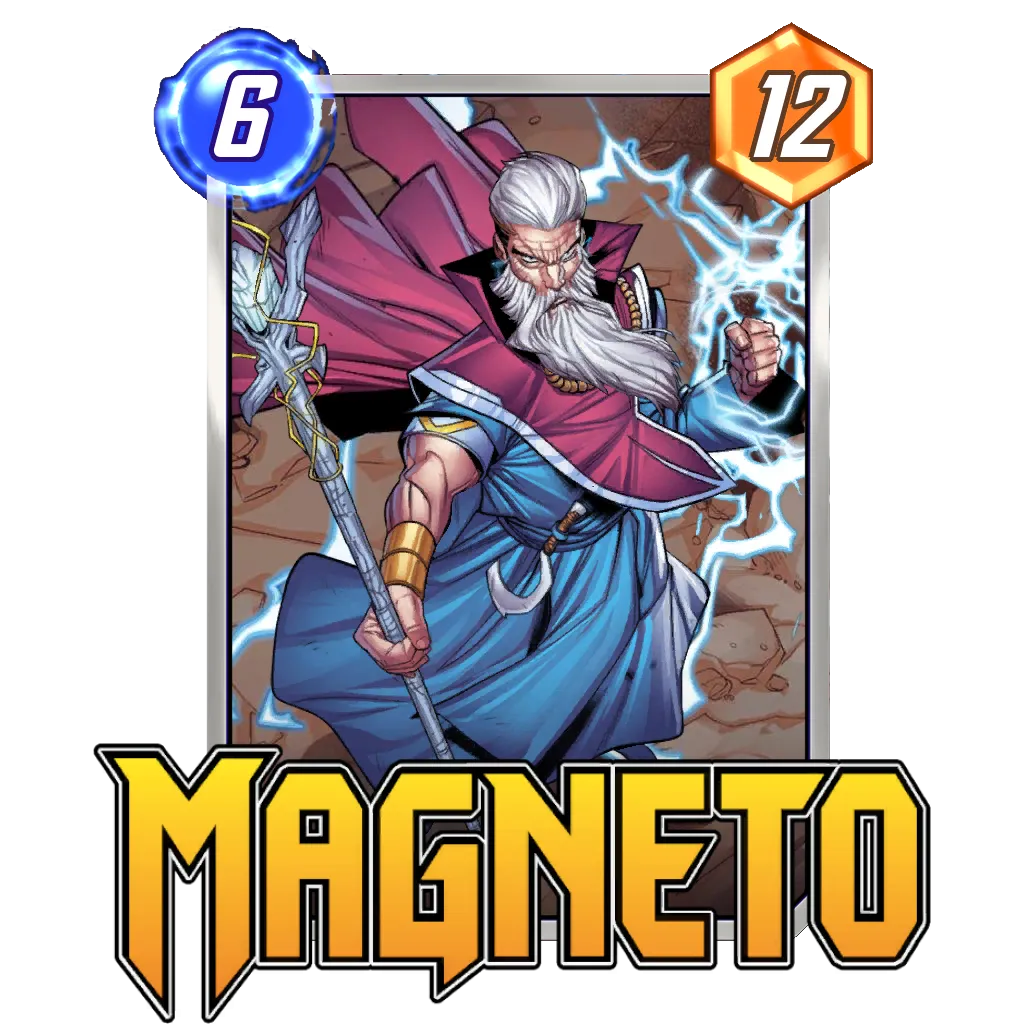


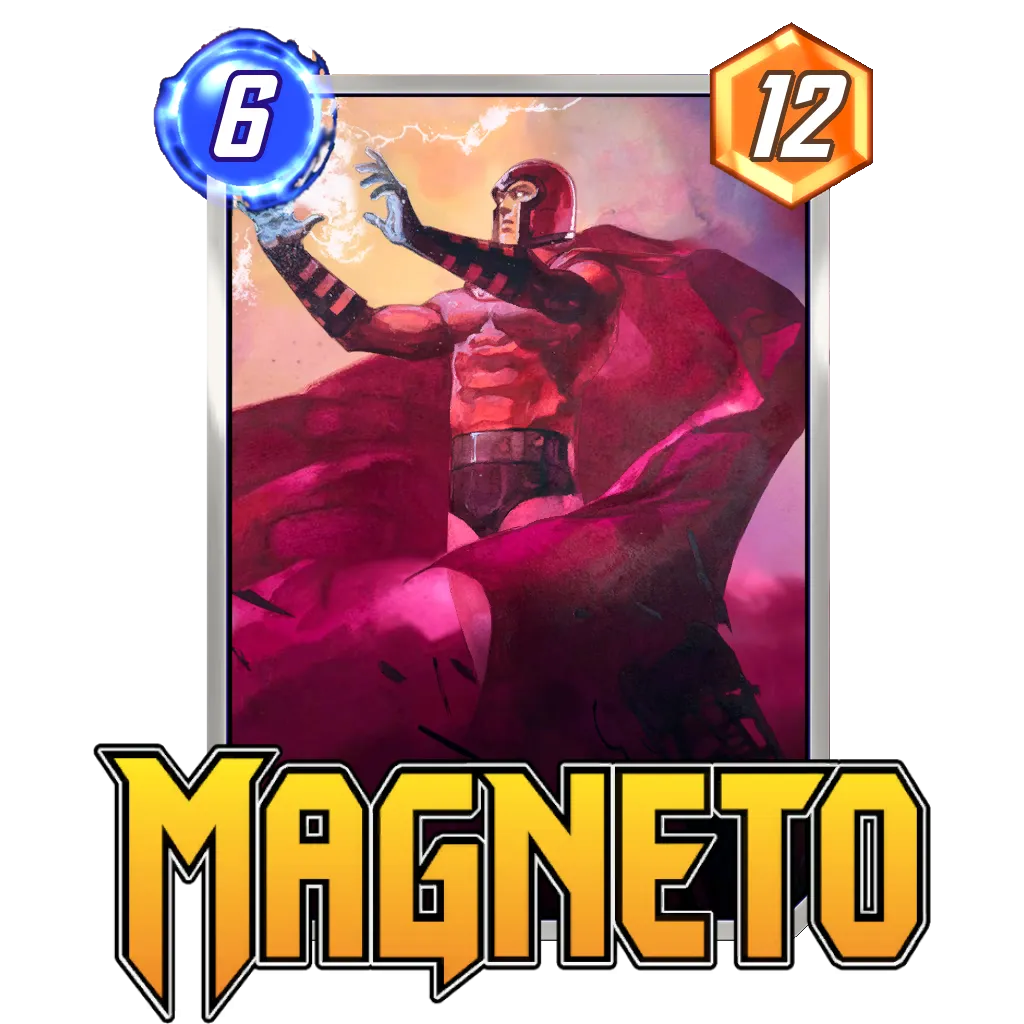


 Decks with Magneto












 Decks with Aero

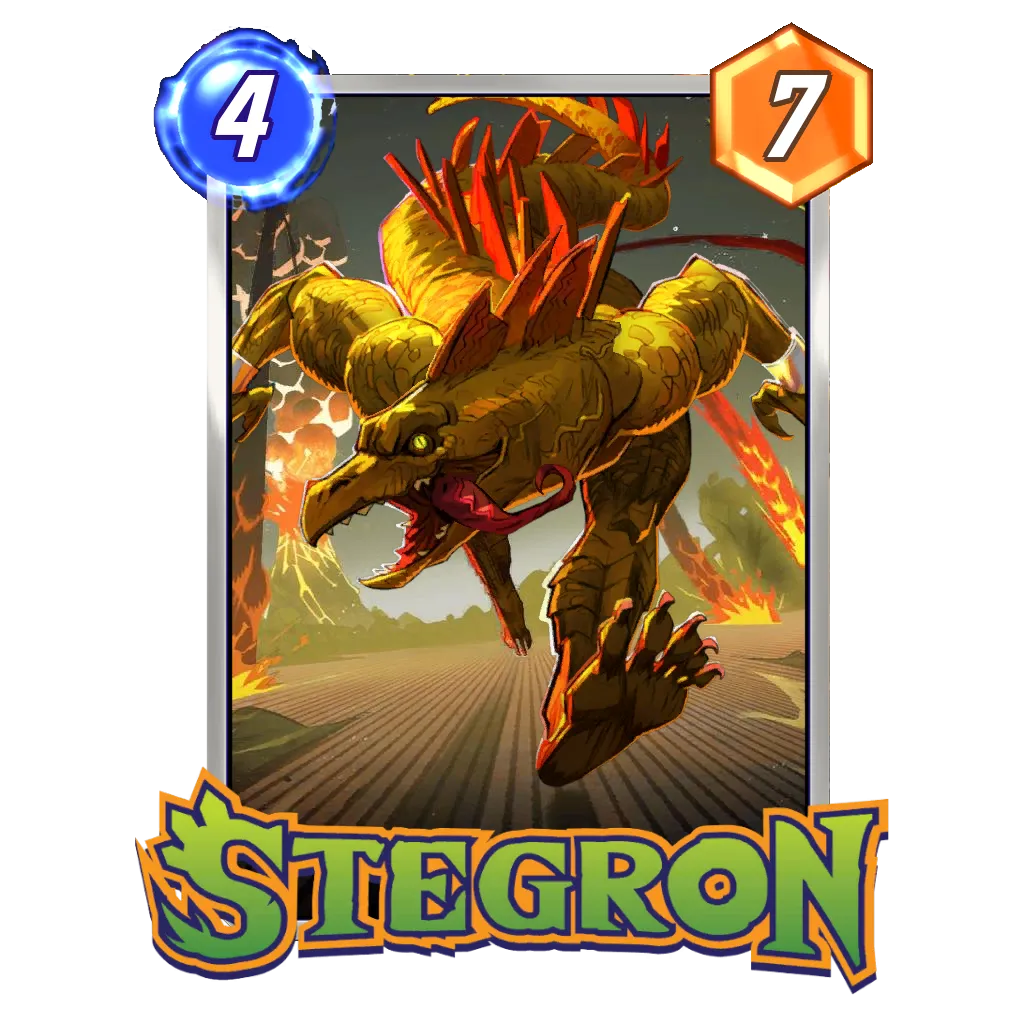


 Decks with Stegron




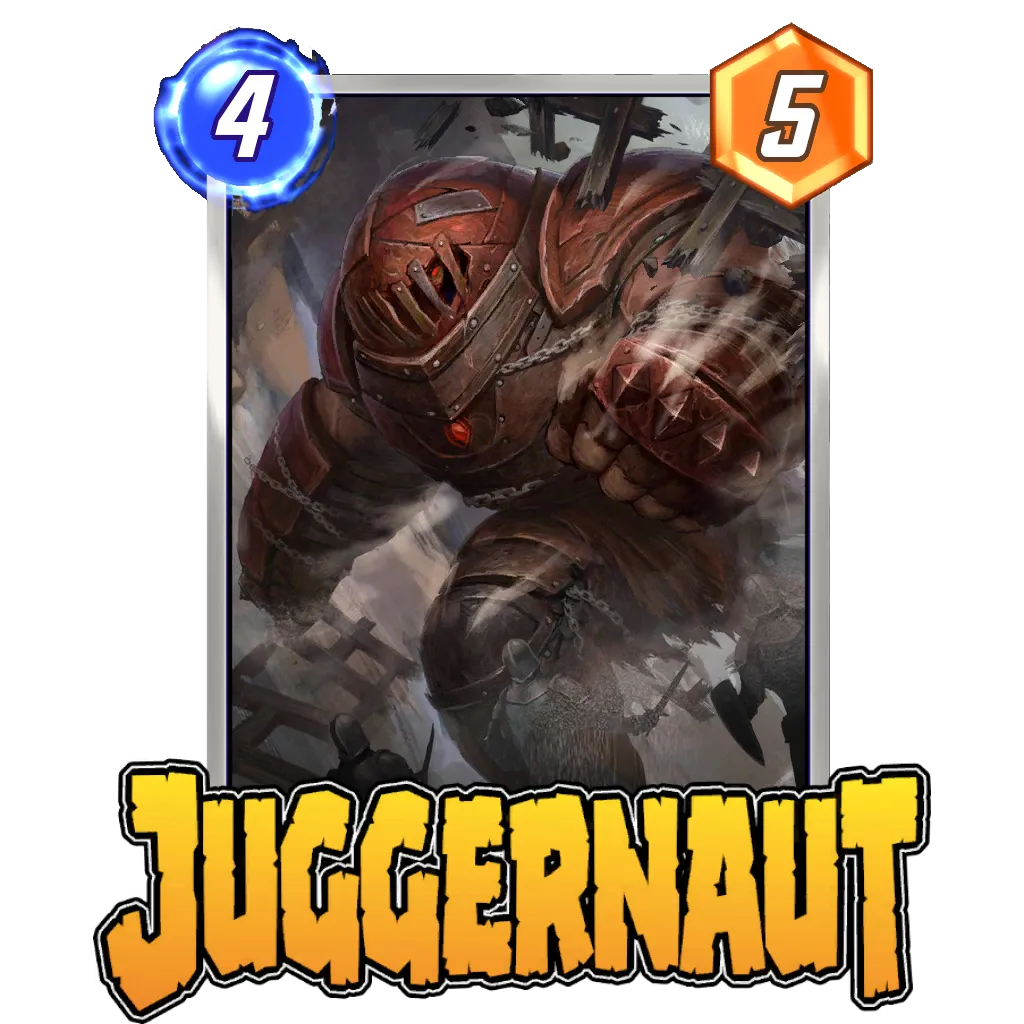






 Decks with Juggernaut

















 Decks with Spider-Man








 Decks with Cannonball
The “Move your opponent’s cards” archetype never found a way to make it work, even though it’s been given another chance every time it receives a new boost. Arguably, Scream is the biggest boost it has ever gotten; she gives the archetype a solid card to anchor a lane. In the past, Kingpin and Kraven comprised that role, but the two are much more restrictive. Not only is Scream stealing power whenever the opposing card moves (whereas Kingpin and Kraven need it to come to their location), she also creates a four power differential, which is the same as the abilities of Kraven AND Kingpin combined!
Sure, both can trigger multiple times per turn, but you typically only move one of your opponent’s cards every turn so I don’t see this being much of a problem in most scenarios.
If there is a time for this archetype to exist competitively, Scream is the card to make it happen.
The Verdict
Scream is entering the perfect meta to exist as a strong standalone card considering the Move synergy exists as its own deck and as support for other archetypes.
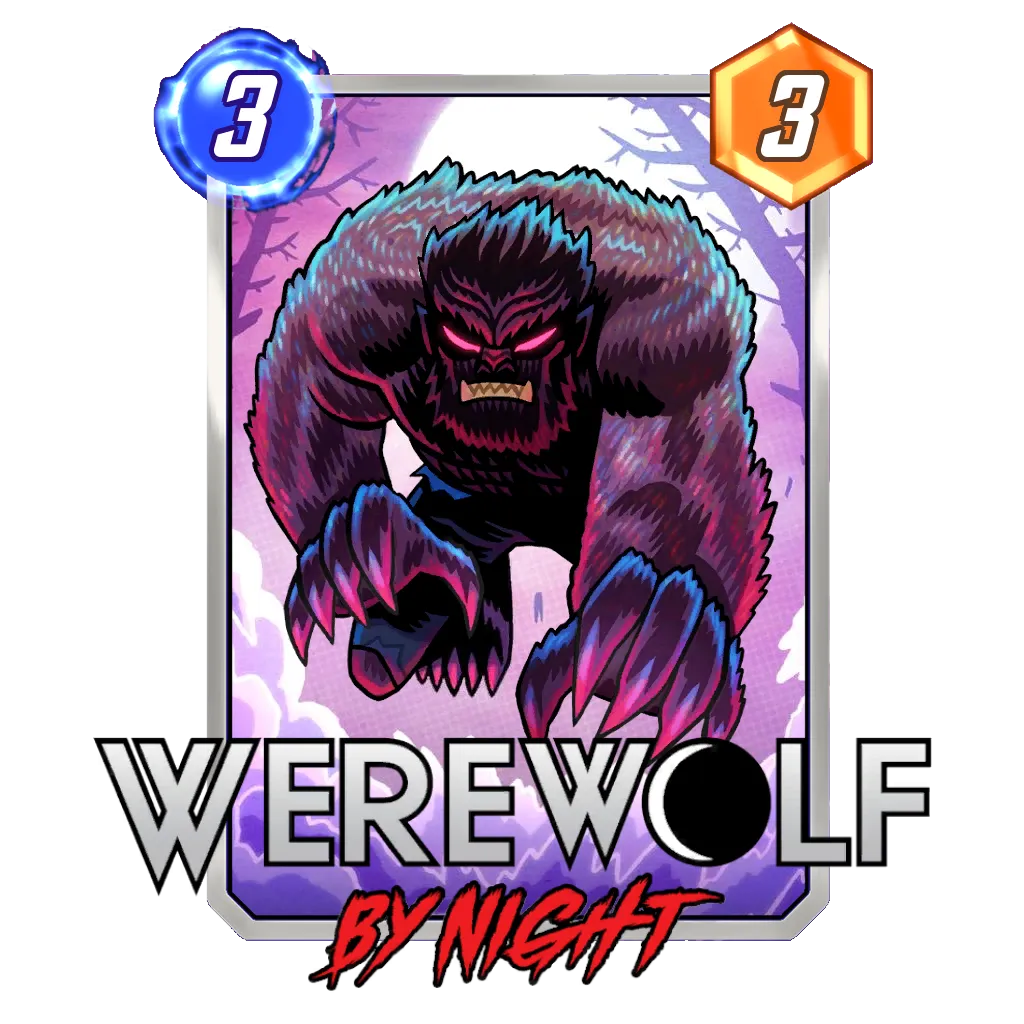
However, we are entering a new season with a new theme, and Scream could scare many Move players away. As such, the challenge for Scream will be in creating her own deck that is able to compete even when the opponent doesn’t feed her free power. With cards like Jeff the Baby Land Shark, Madame Web, and Werewolf By Night appearing in other archetypes, I believe Scream will often be a six power card at a minimum. This might already be enough to make her a consideration as an obstacle to Good Cards or similar archetypes that are looking to leverage very flexible cards.
If the “move them” archetype takes off, then Scream will immediately enter the discussion of which cards are the strongest in the game.
Pre-Release Score:
Surfer Move
 den
den


Silver Surfer has been the exact same deck for a while now, relying on all the strong 3-Cost cards that released over the spring and summer. With Scream, the archetype could potentially gain a new direction to explore with Juggernaut, Polaris, and Spider-Man as the focal points.
Early on, this should be a fairly simple deck to build with only two to three cards to test (Nocturne and Hope Summers are flexible here). Otherwise, you simply want to mix the Scream package with Silver Surfer staples. I don’t know if this will be a thing in the long run, but I think that it will be an early shell that you can use to quickly test Scream in an established foundation.
Good Cards


Scream only needs an opposing card to move once or twice to be a decent 2-Cost, so three cards that can do that might be enough. Fortunately, Juggernaut was already part of the Good Cards archetype, and Aero and Magneto can pretty easily fill the 5- and 6-Cost slots.
Kingpin might be a little too much here, but I find the deck to be at its best with two 1-Cost cards. Still, that’s probably the flexible slot in the deck, even if dragging two cards to Kingpin with Magneto might be enough to make it worth. With Hope Summers in the deck, you can pair both cards on Turn 6 to avoid letting your opponent know about Kingpin beforehand.
Junk


Junk is already posting amazing results, so changing its core to include a Scream package might be completely useless. However, it might also lead to one of the best early Scream decks due to how solid the Junk synergy is at the moment. Plus, Cannonball is already in the deck to serve as a bridge.
The biggest challenge will be finding the right amount of Move cards to include in order to keep the Junk part of the deck as effective as it is now. Stegron might be too much, for example; Debrii or Doctor Octopus might perform better there. Miles Morales gives you another Demon to go with Aero or Cannonball on Turn 6, so it looks like the Scream package requires at least four slots here (Scream, Polaris, Miles Morales, Aero).
Opponent Moves


Just like all the times I’ve built this deck in the past, I can’t see it being good enough to become anything serious. The synergies are there, but the draws need to align too well for this synergy to feel like anything but a support package in other decks. Marvel Snap has plenty of strong standalone cards, so it isn’t difficult to fill the last few open spots once you fit all the synergy cards.
Silk functions with Kraven to make him a real threat. Nebula entices your opponent to play away from Kingpin and Kraven so you can drag cards there. I thought of Jean Grey in that role, but I think three energy is too much (unless you invest into a second package with Jean Grey, which was tested and ultimately failed when Madame Web released). Alioth serves as some protection on Turn 6 when you don’t find Magneto. By controlling the placement of your opponent’s cards, seizing priority heading into Turn 6 should be doable.
Variants
Closing Thoughts
Scream is a wonderful card with a few rather weak allies to help it shine. In the end, its biggest upside is how well the Move synergy is doing at the moment. Maybe Scream will end up being a counter card to scare Move away and act more as a regulator than a meta staple.
There are a few ideas to explore, either with a deck fully centered around moving opposing cards or as a four to five card package in more established synergies. I believe the latter will be the best option for Scream, but I definitely wish to be wrong on this one. I would love to see a competitive archetype based around the concept of moving your opponent’s cards.
I hope this review of the new card was helpful. Feel free to share your opinions and excitement about the card in the comments. You can find everyone on the Marvel Snap Zone team in our community discord to have a chat or ask any questions.
Good Game Everyone!



More Content