


Table of Contents
Whenever SafetyBlade kindly agrees to let me talk about a new card, you can assume two things: he is a very nice guy, and I’m very excited about it! Well, that’s not entirely accurate… Sasquatch has me beyond excited. I mean, this card has Bounce written all over it, which is my favorite archetype in the game.


Series 5 cards can be purchased for 6,000 Collector’s Tokens from the Token Shop initially as a Weekly Spotlight card, or opened as one of the featured cards in the Spotlight Caches that are found every 120 Levels on the Collection Level Track after Collection Level 500 (until the next new card releases the following week).
Strengths and Weaknesses
First, let’s start with the obvious strength of the card: it is almost always a [5/10] (unless you played no cards on the previous turn). Then, as a [5/10], Sasquatch isn’t so bad; it’s on the higher end of the spectrum for a 5-Cost card in terms of power.
If I stopped there, Crossbones and Cull Obsidian would probably have something to say. So how reliably can we get Sasquatch to be a [3/10] (which is the threshold at which there is no debate as to whether the card is good)? To reach that, you need to play three cards on the previous turn. That’s not always an easy task, but there are plenty of cards you can ask for help.
Let’s look at the cards that can reduce the cost of other cards in your hand by Turn 4 to ensure that you can play three cards by Turn 5 at the latest:


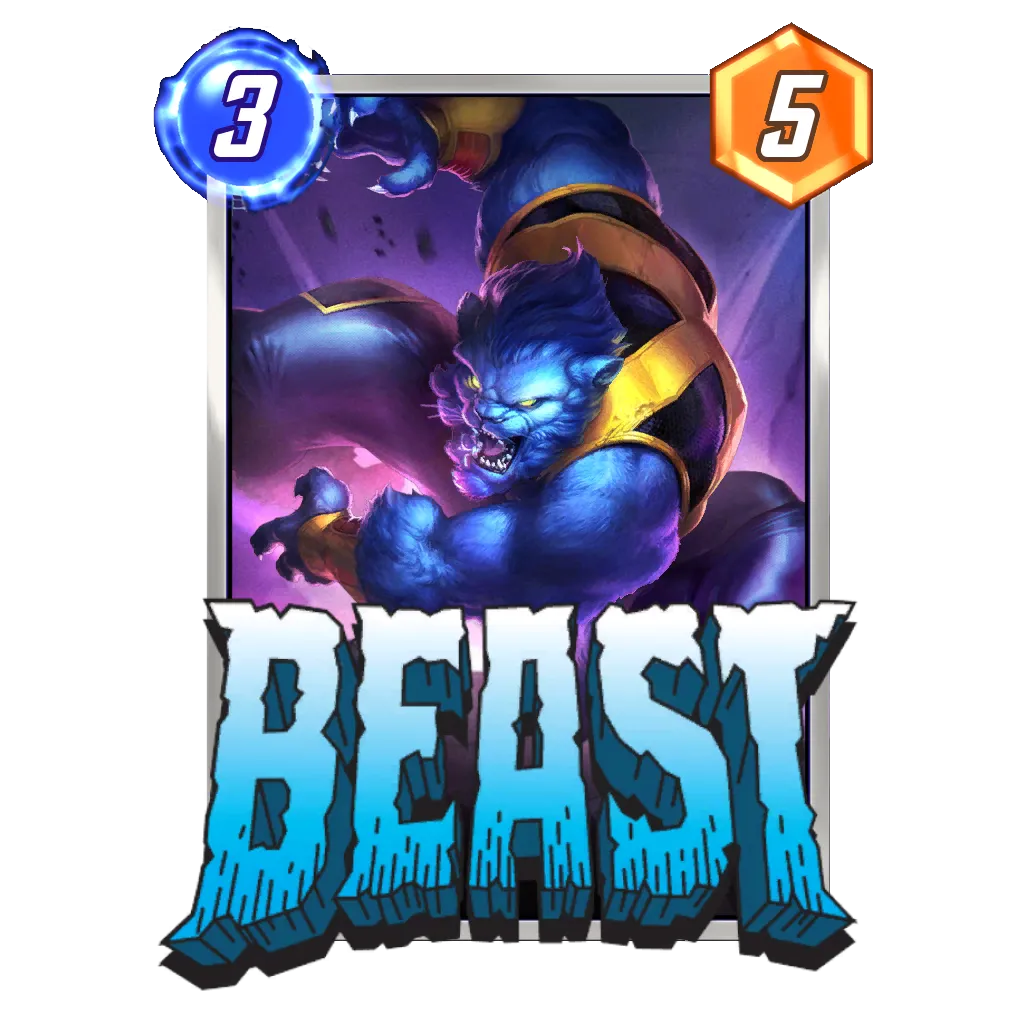


 Decks with Beast





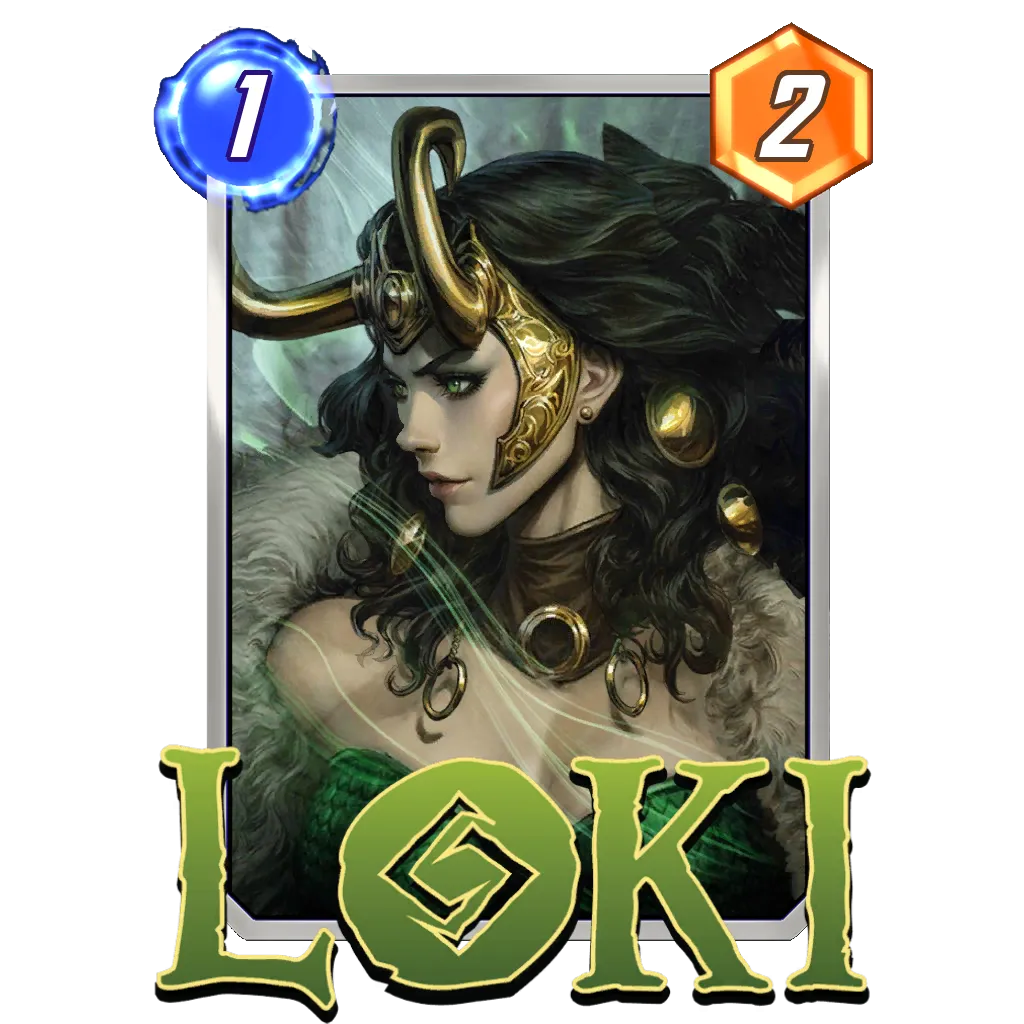


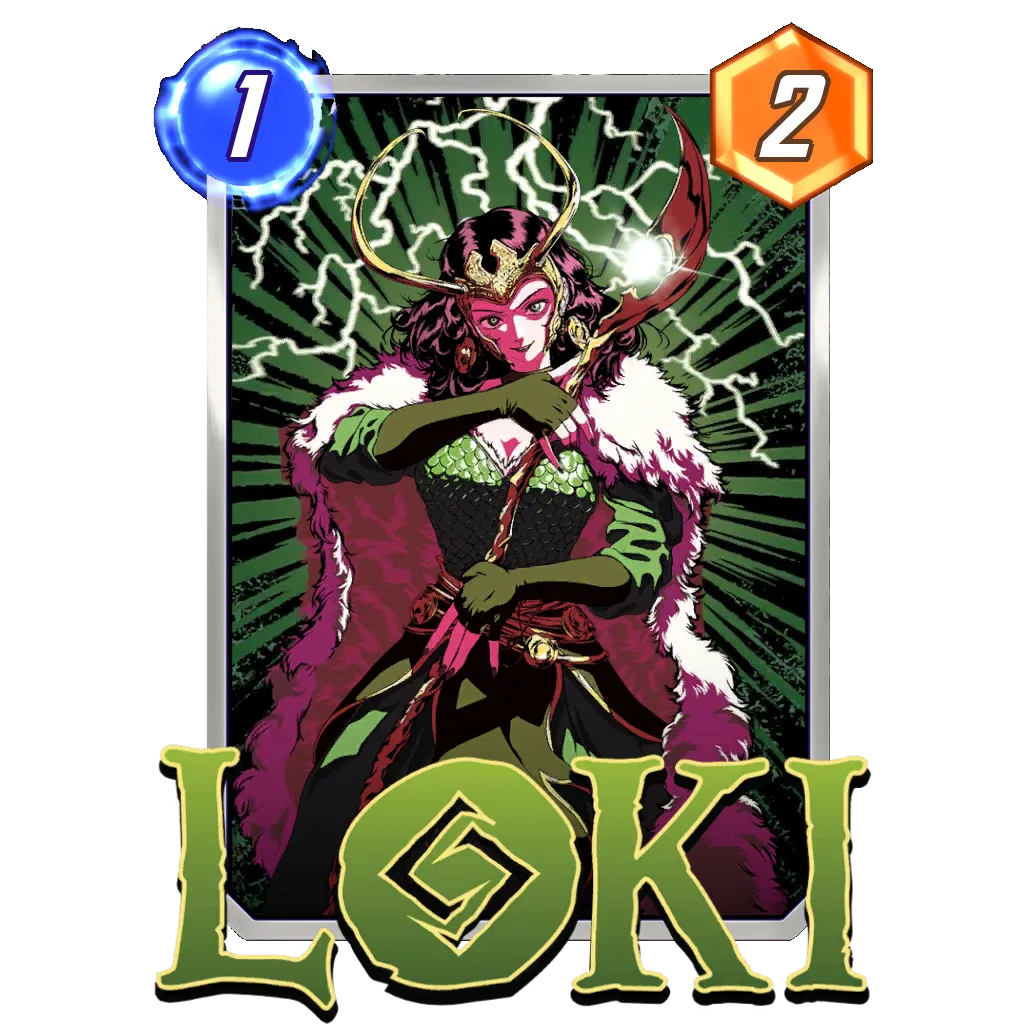

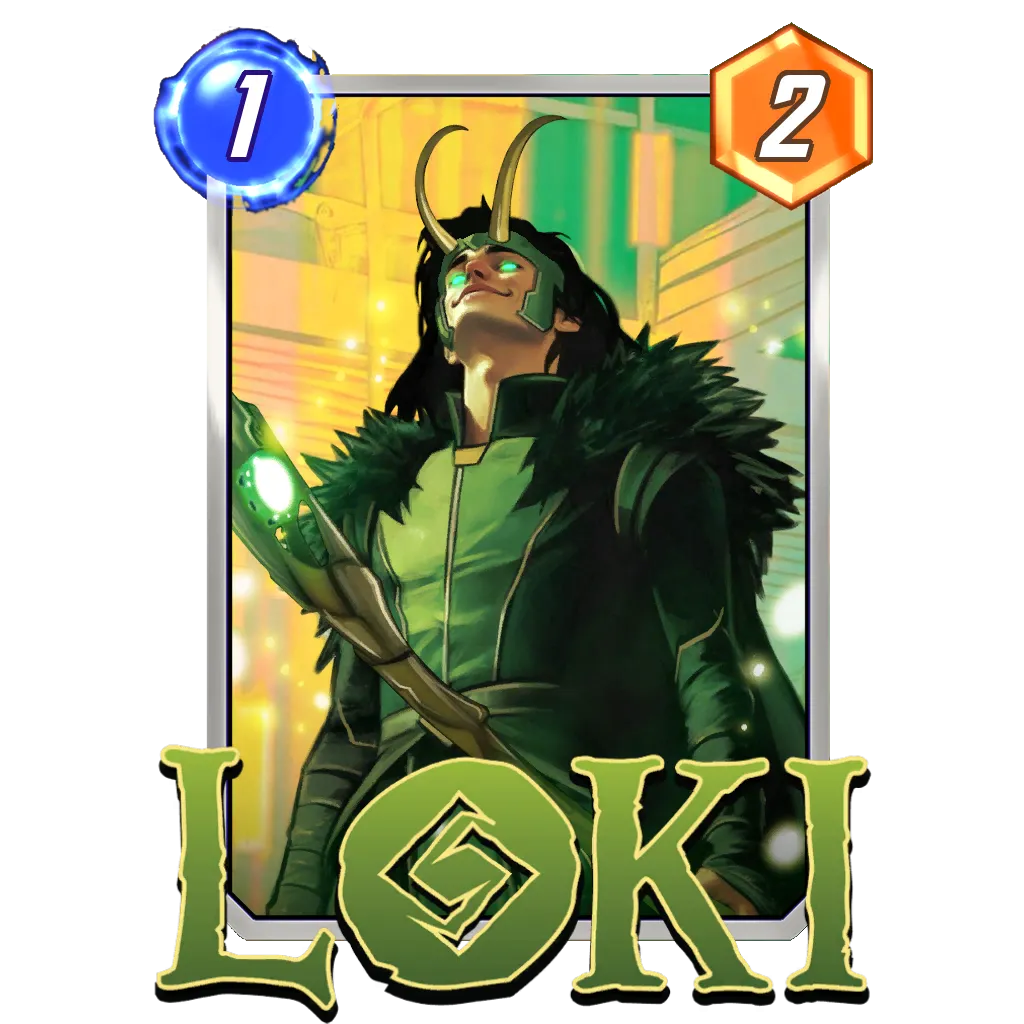

 Decks with Loki







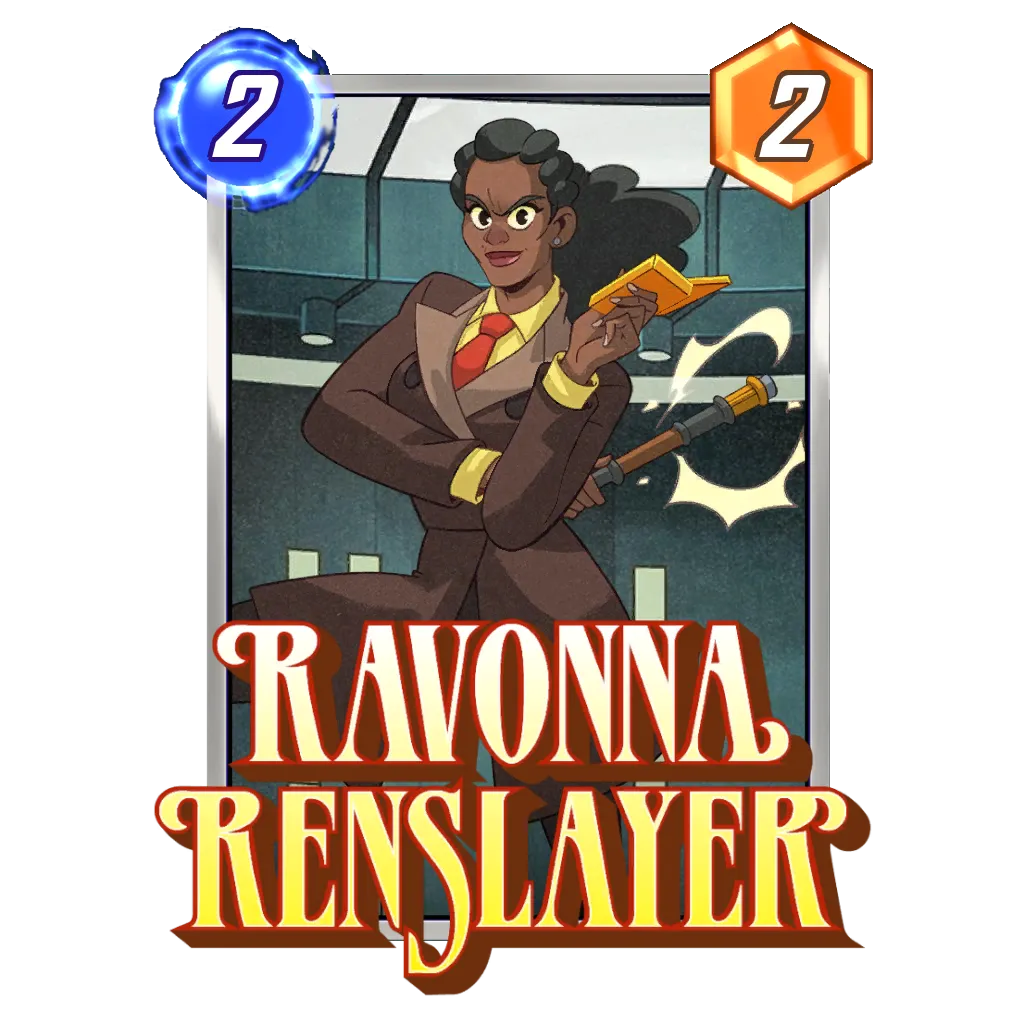


 Decks with Ravonna Renslayer



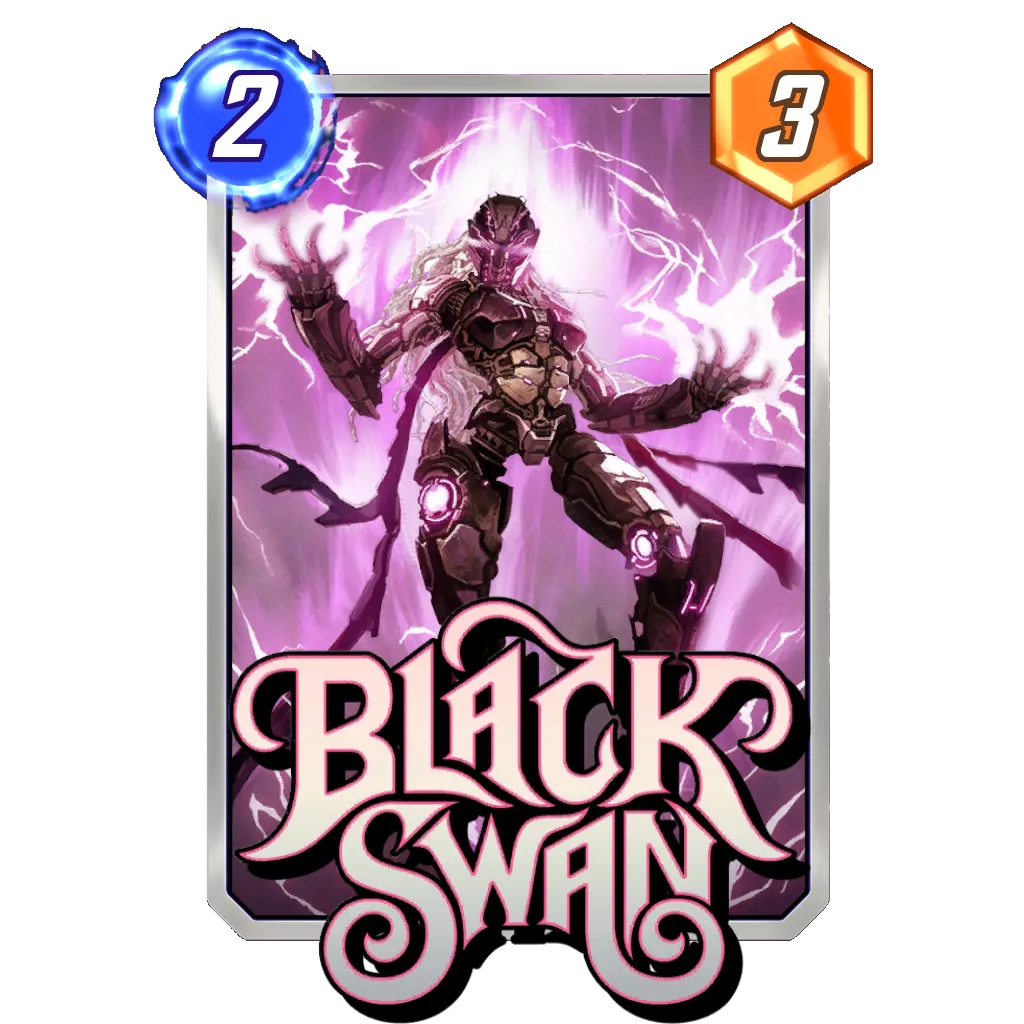

 Decks with Black Swan




 Decks with Pixie
Beast is an obvious candidate here, and Bounce is widely regarded as the #1 archetype for Sasquatch. Still, Black Swan and Pixie also have potential to make Sasquatch pretty cheap, and it would just be a different (probably worse) Mockingbird alongside Loki.
You also have cards that are able to reduce their own cost, which you can use to play more cards on a certain turn:























 Decks with Skaar







 Decks with Mockingbird


 Decks with Sabretooth


 Decks with Swarm


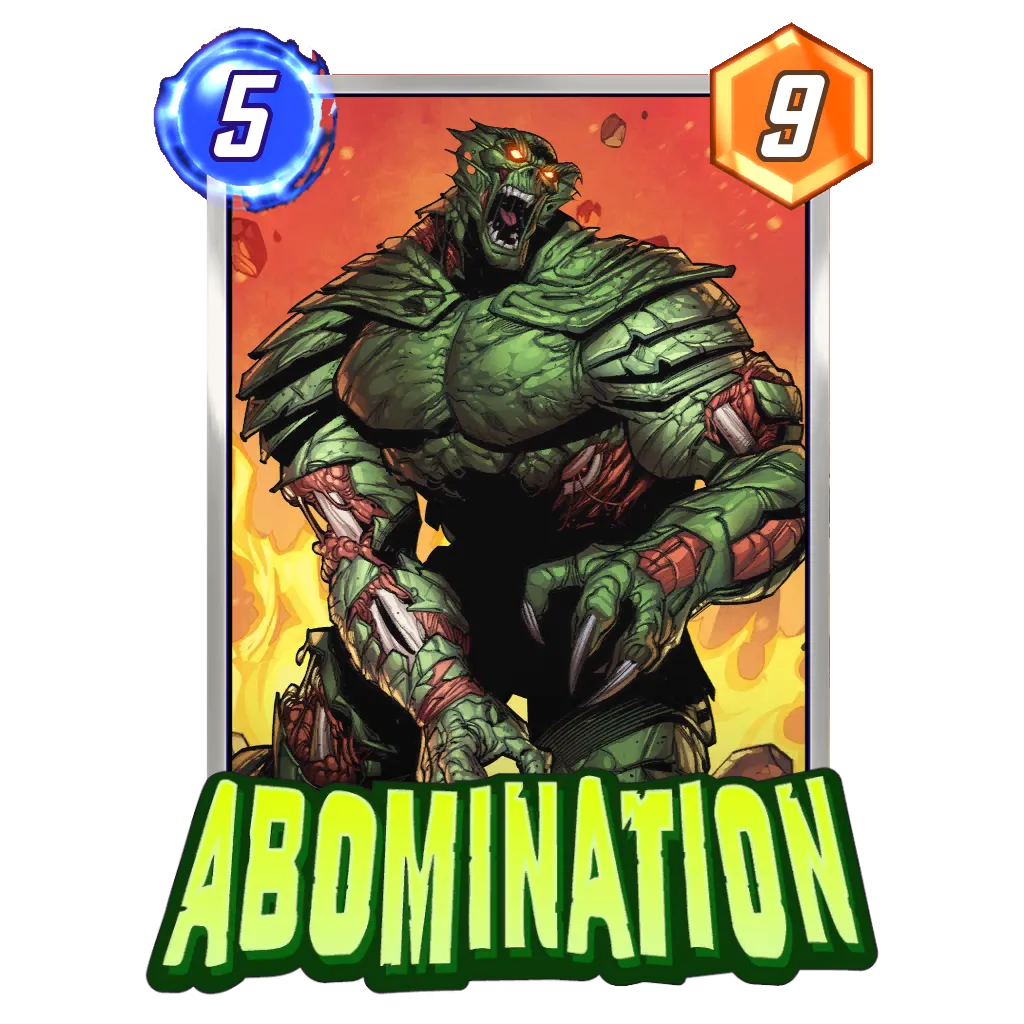

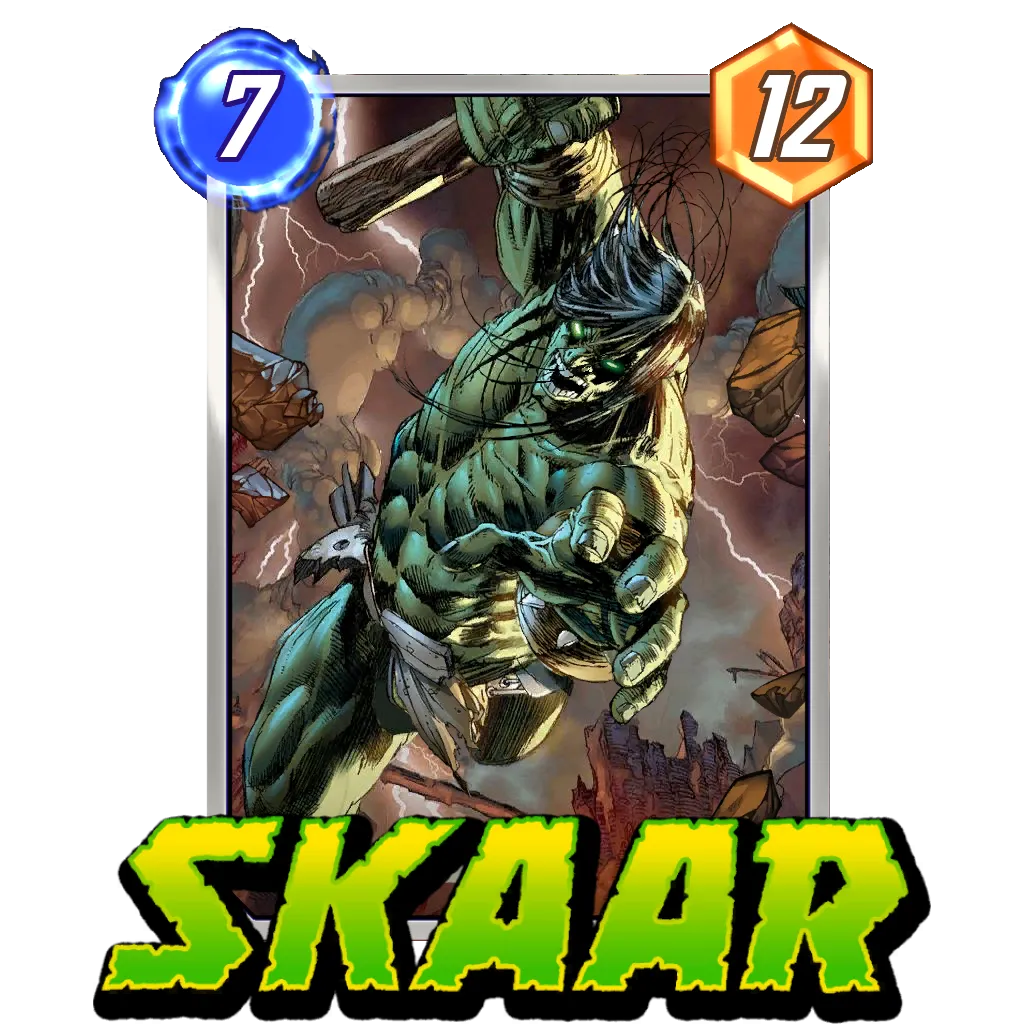
She-Hulk and Abomination (in a High Evolutionary deck) look like a pair you can play in the same deck. Swarm and Sabretooth can easily cost zero, but it isn’t so simple to find a connection between Sasquatch and either Discard or Destroy. Finally, Skaar is appealing since Sasquatch can reduce its cost as well when played first, which will likely happen because it feels impossible to reduce Skaar enough to make it count for Sasquatch.
We also have cheap cards that are able to make an impact even if played later in the match. Indeed, the best way to play multiple cards is to pack many cheap ones:







 Decks with Mysterio


 Decks with U.S. Agent









 Decks with Jeff the Baby Land Shark






 Decks with Nico Minoru









 Decks with Havok


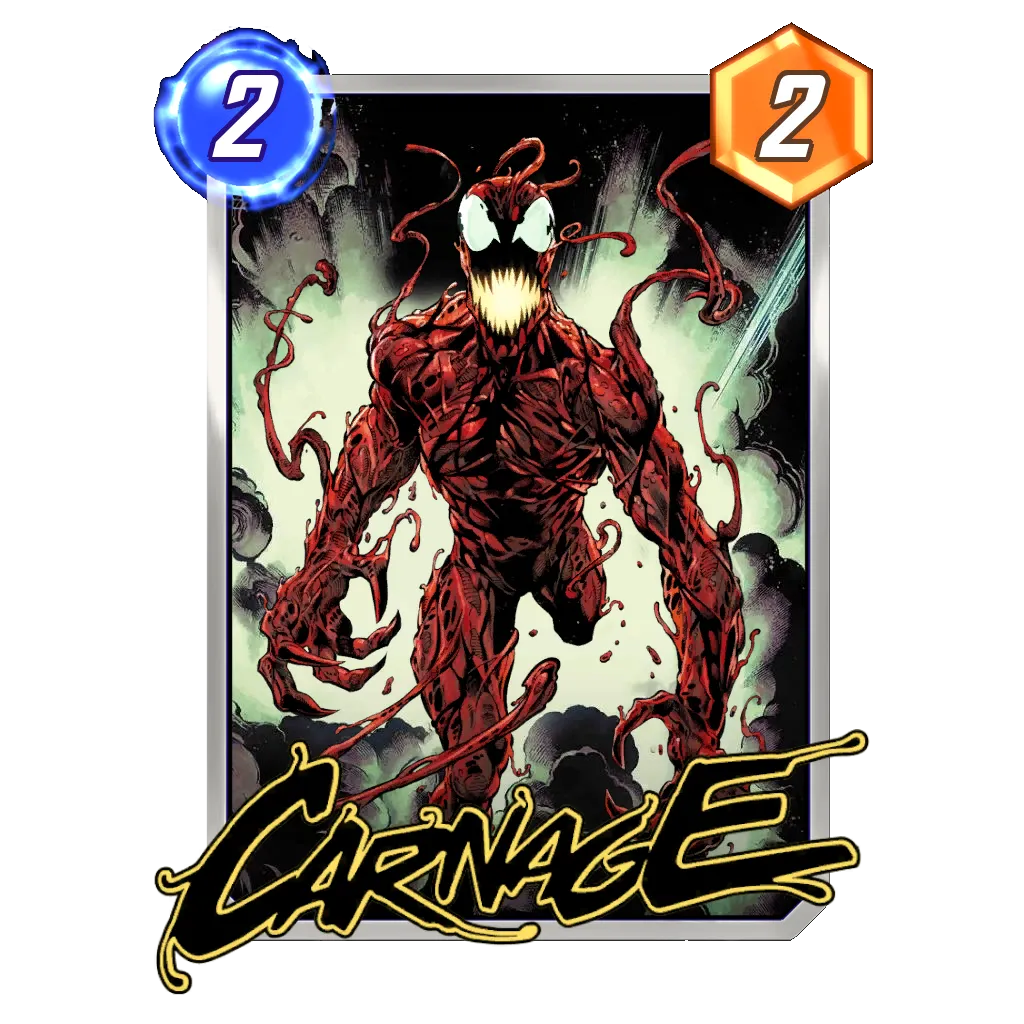


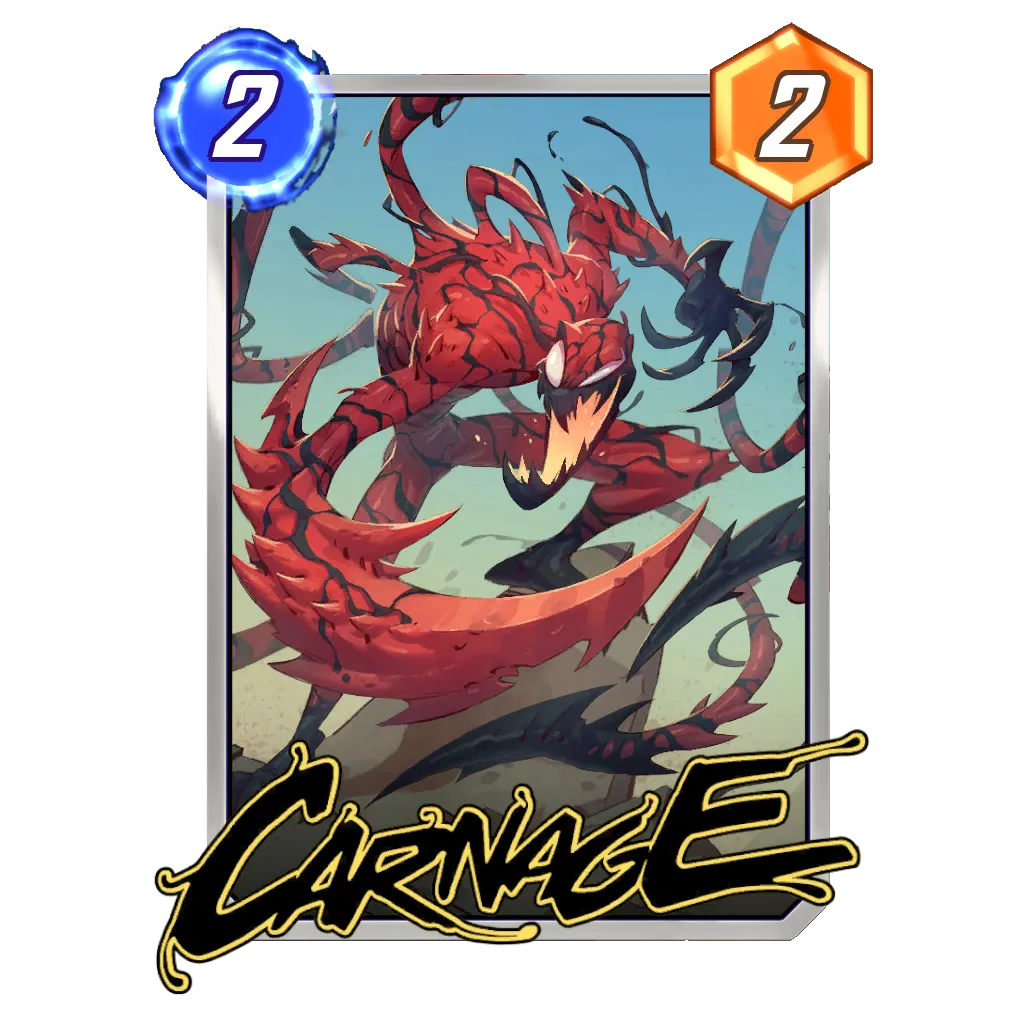
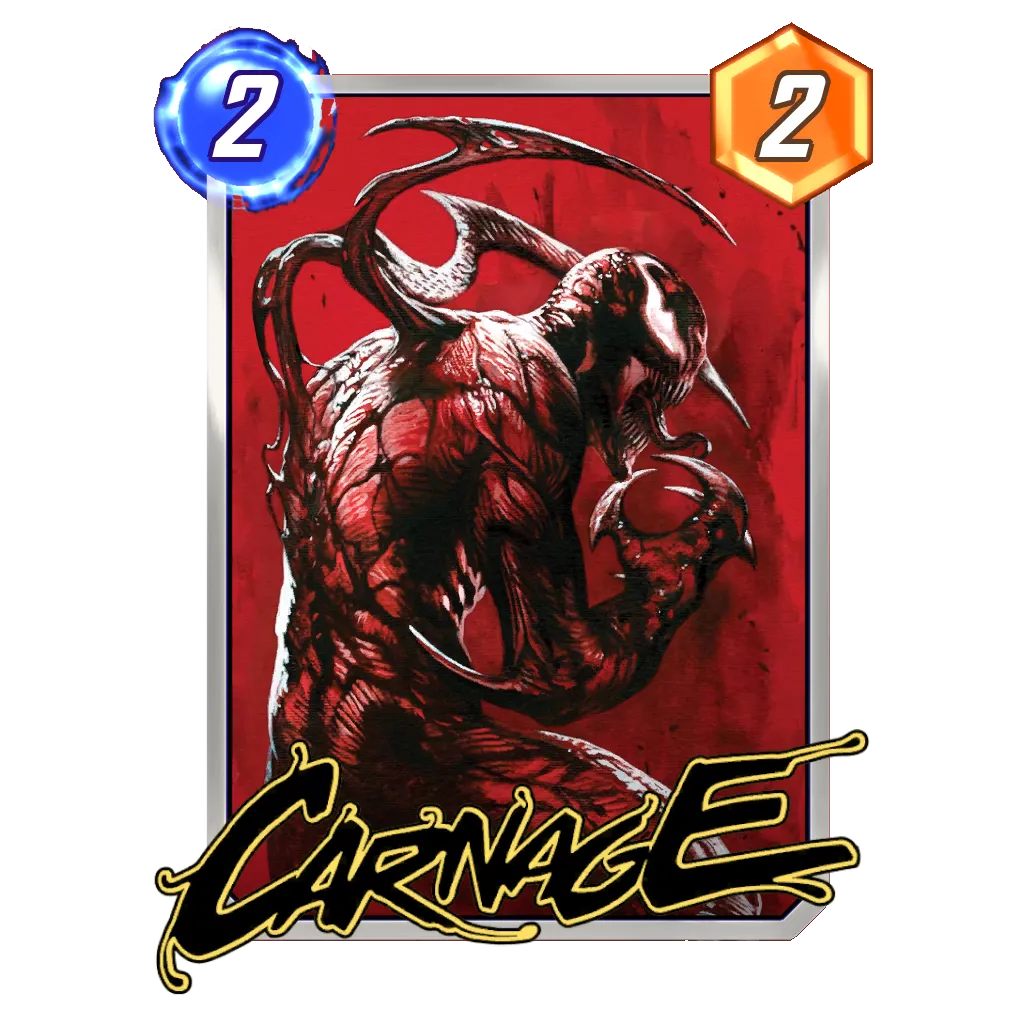
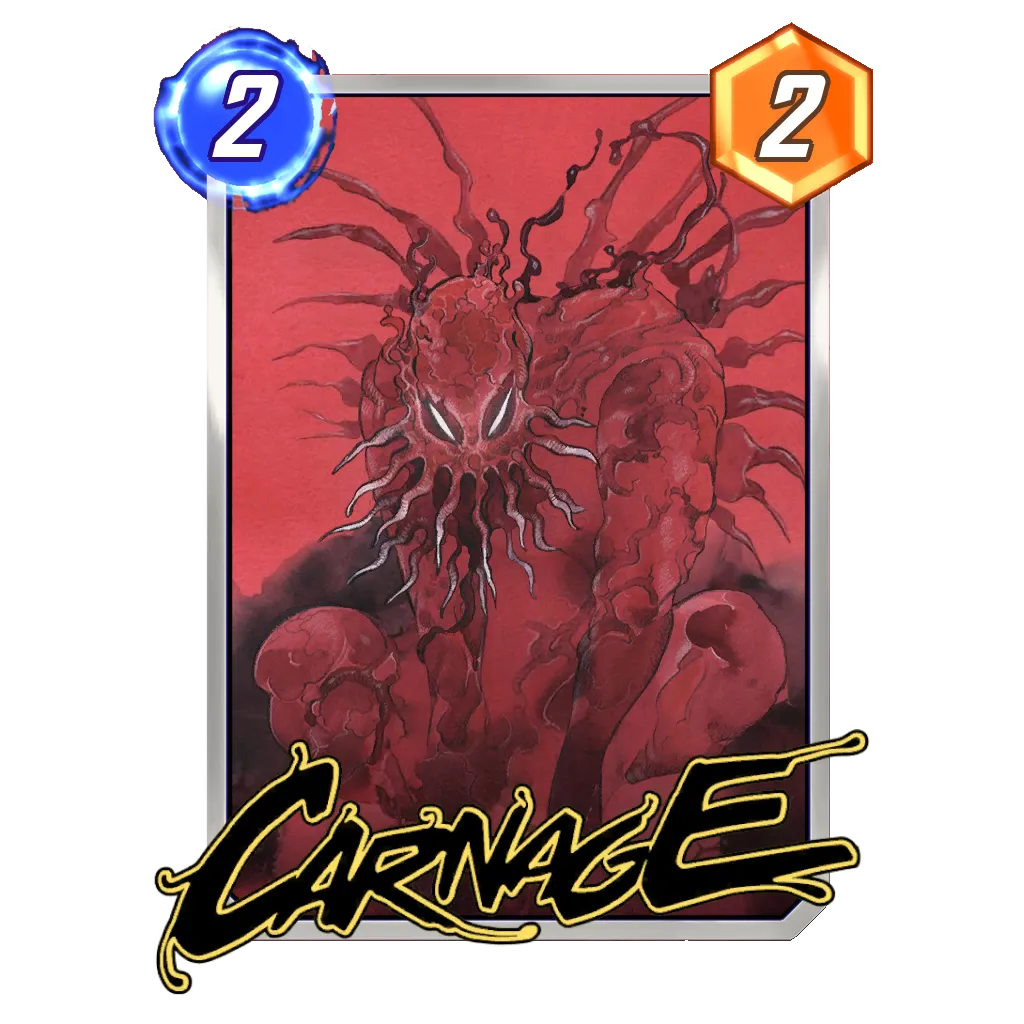


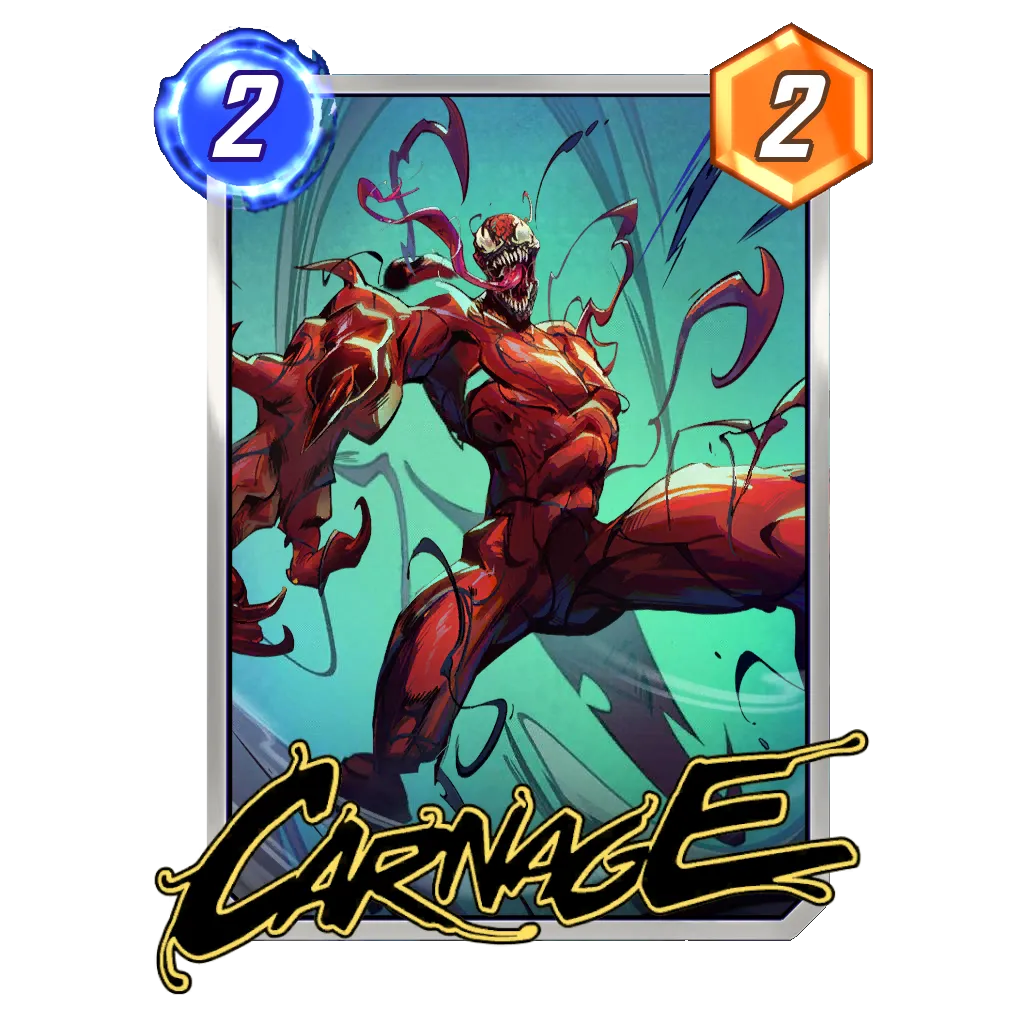
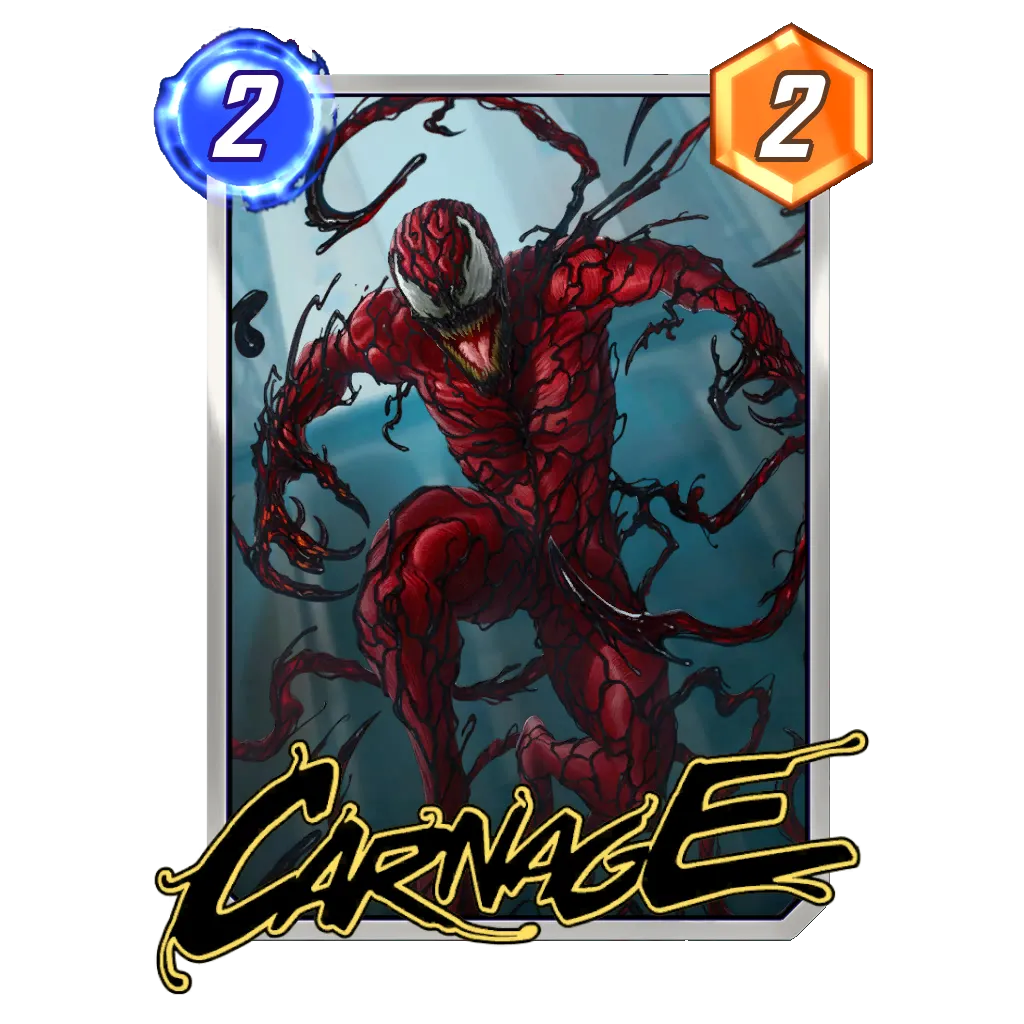


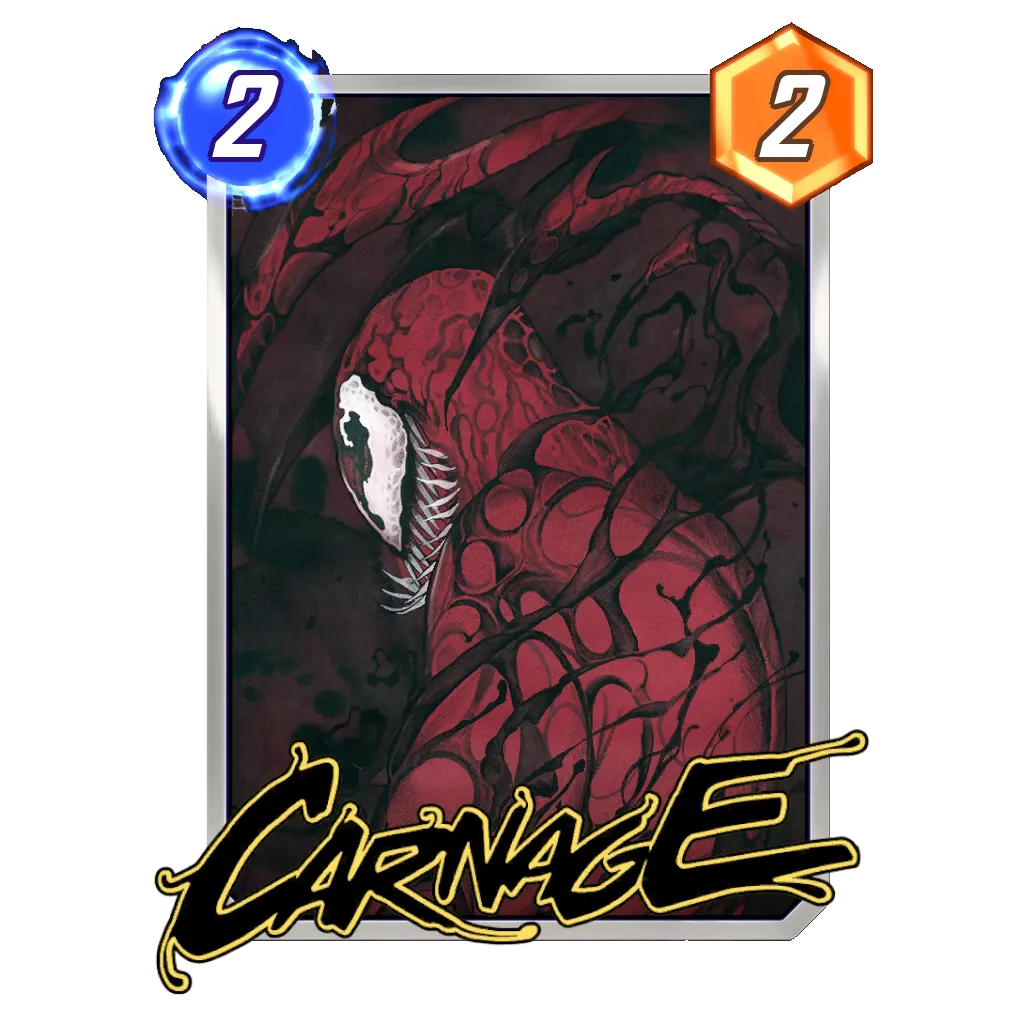
 Decks with Carnage


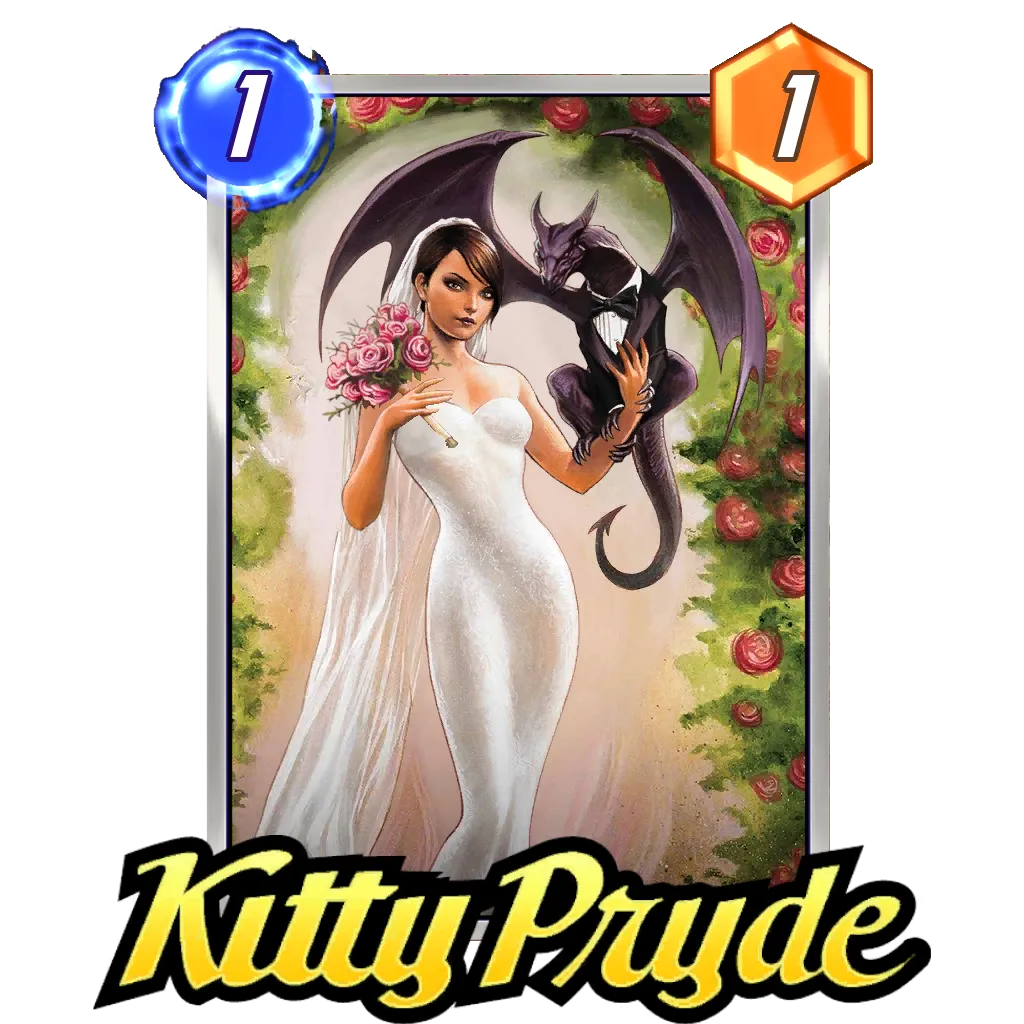

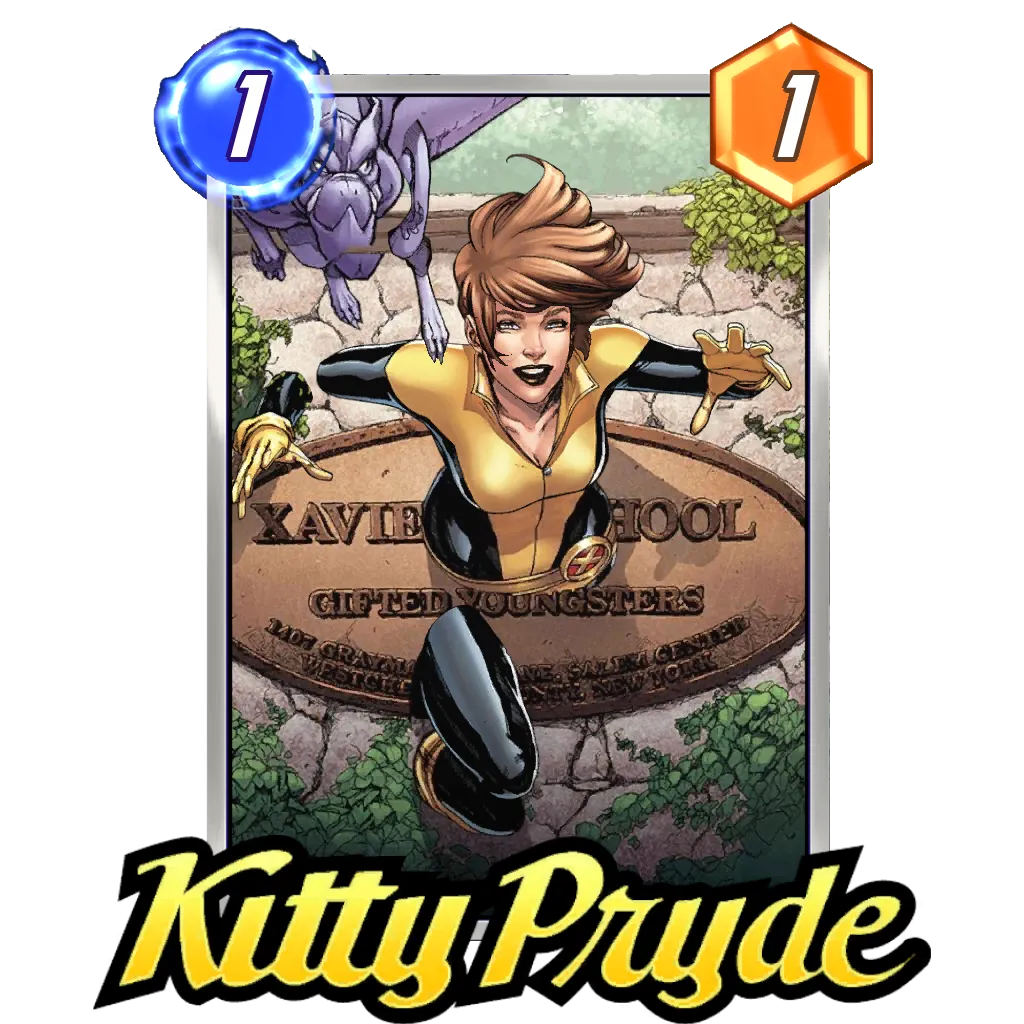


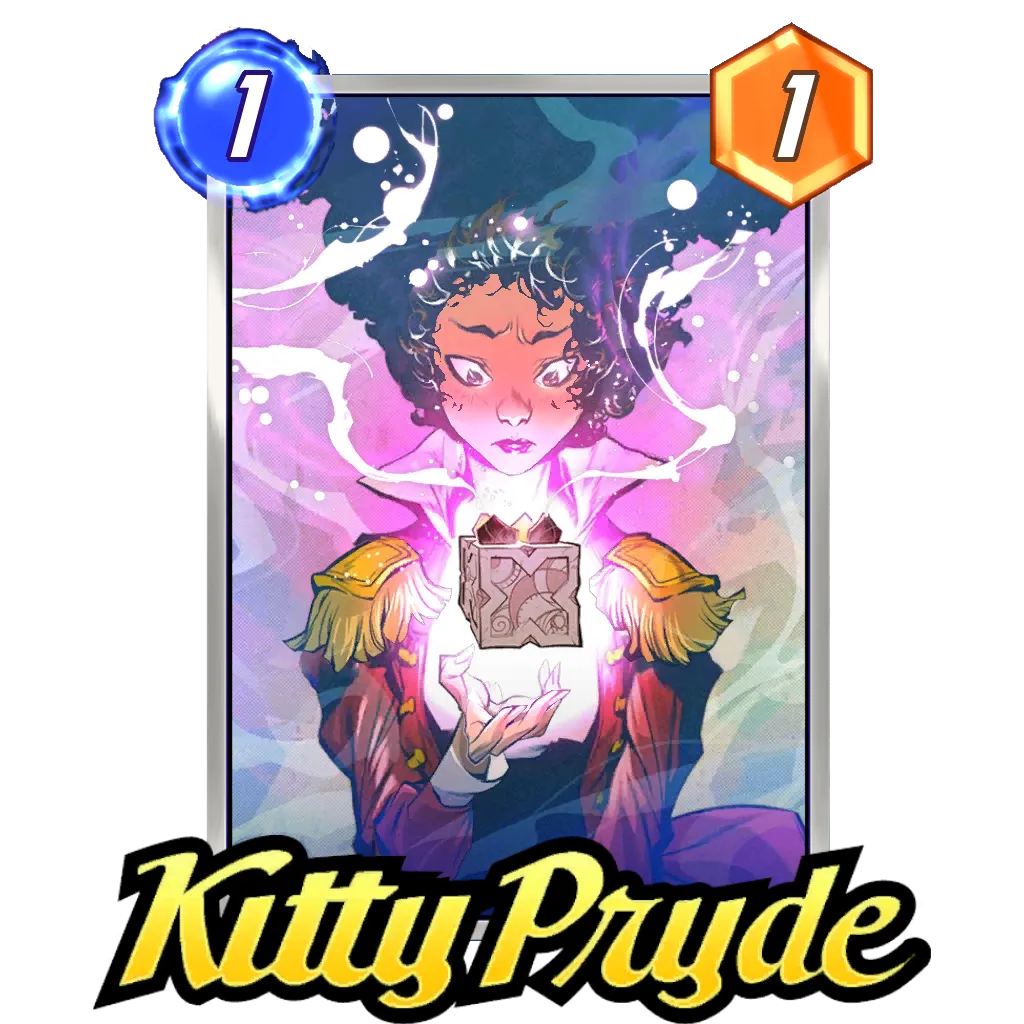


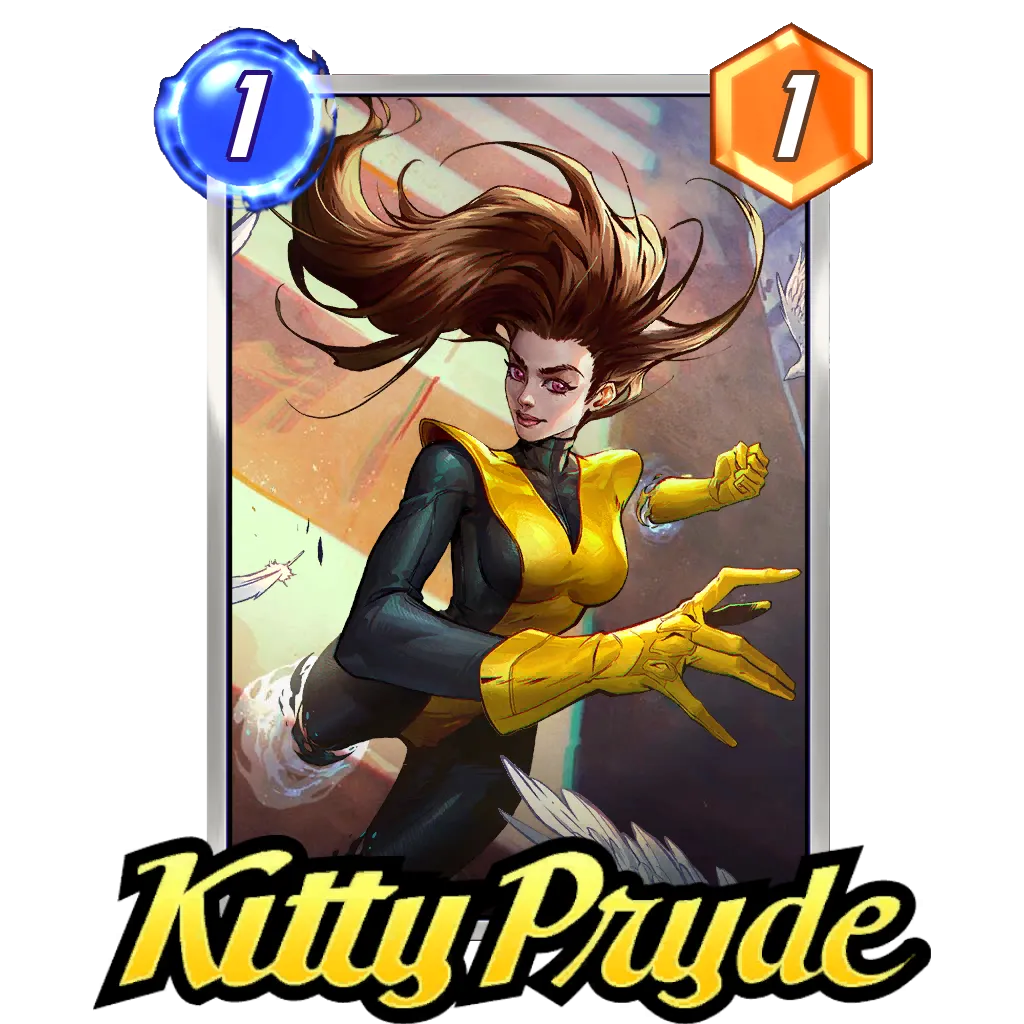
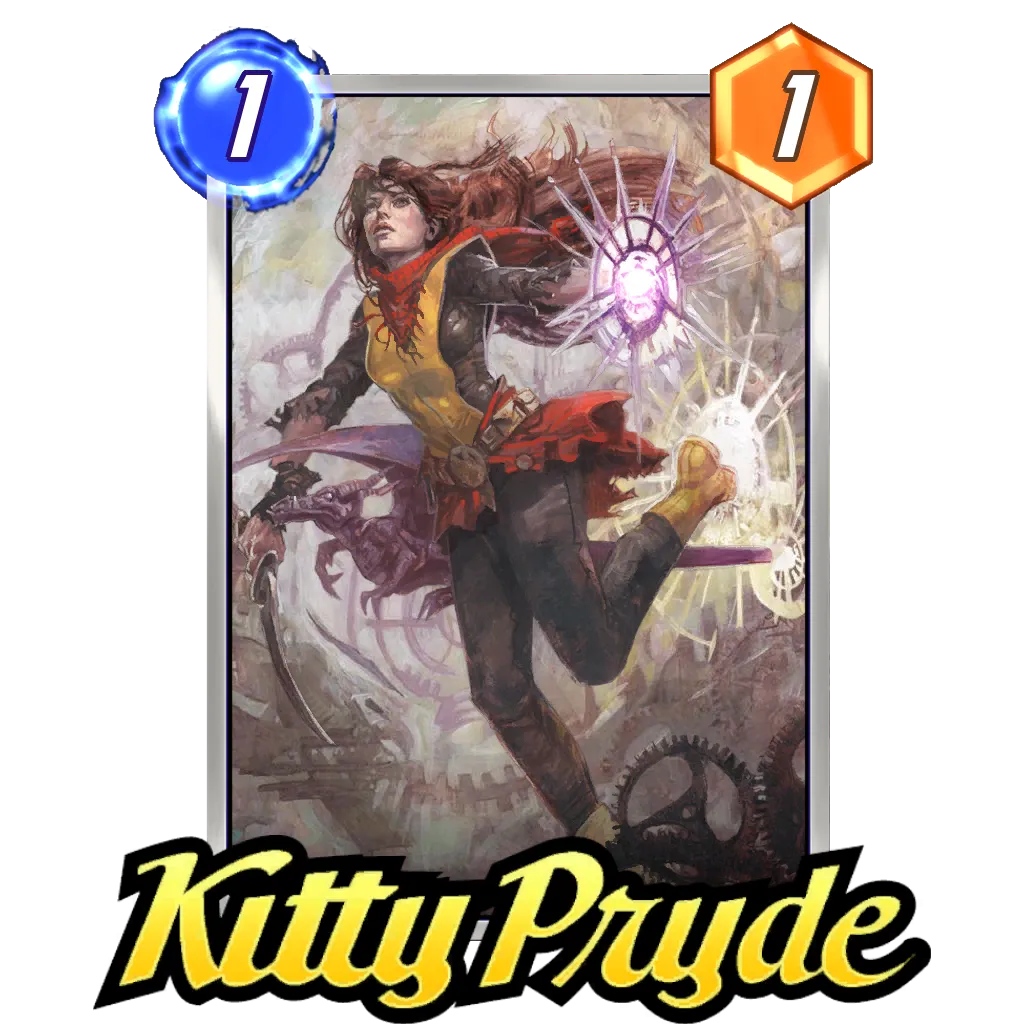


 Decks with Kitty Pryde





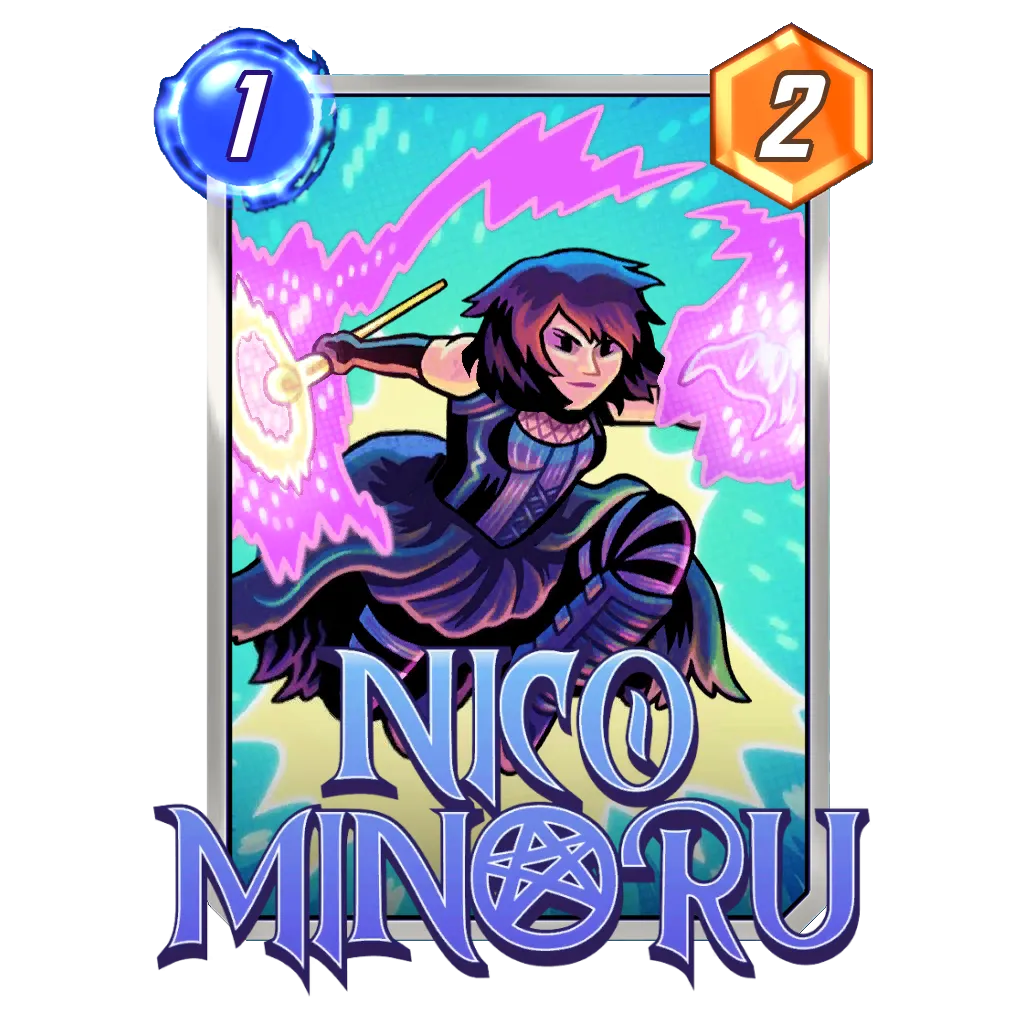
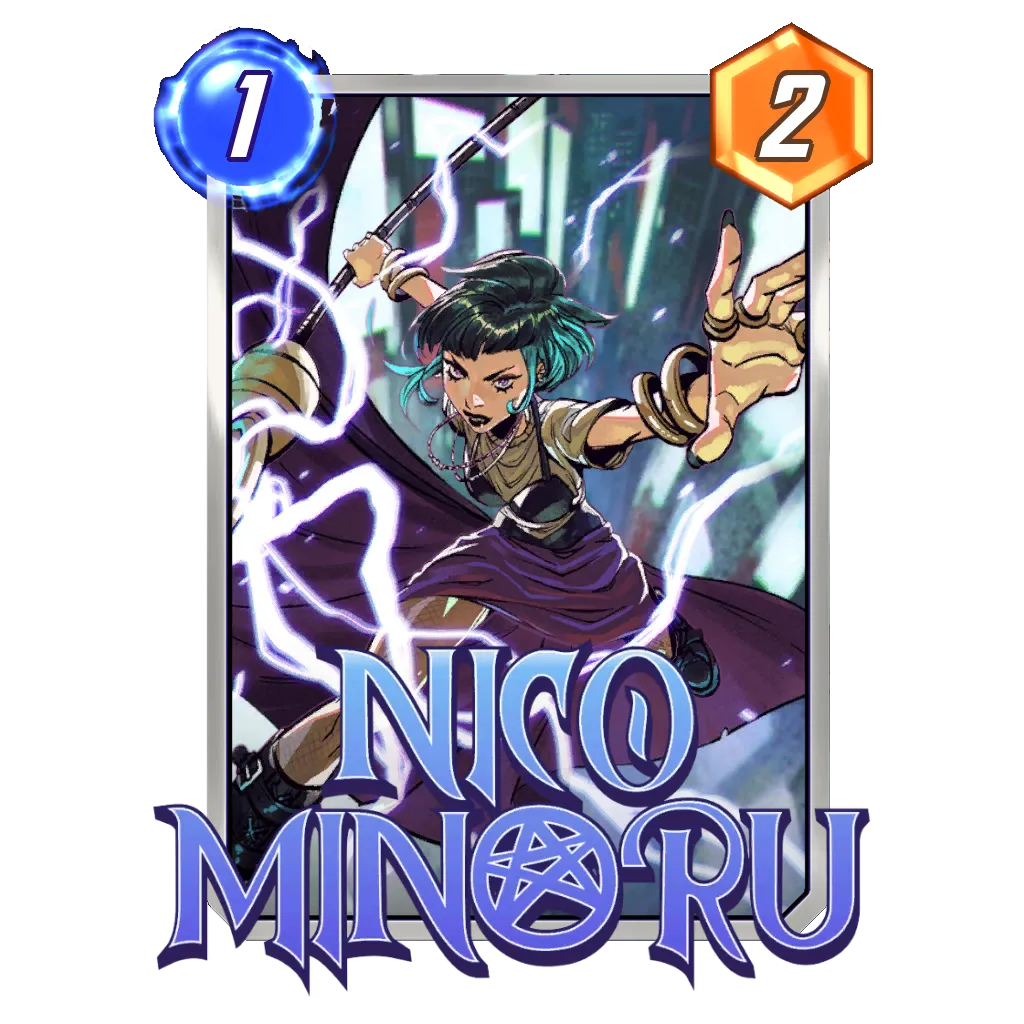
I’m sure there are some more, but these represent most areas of the areas to explore when it comes to cheap cards you could play on Turn 5 without hurting your development.
Mysterio is obviously a big one because it represents three cards for two energy alone, which challenges Wasp for the most effective card for reducing Sasquatch. Havok is an intriguing one, as playing Sasquatch on the following turn allows you to play power without necessarily needing six energy.
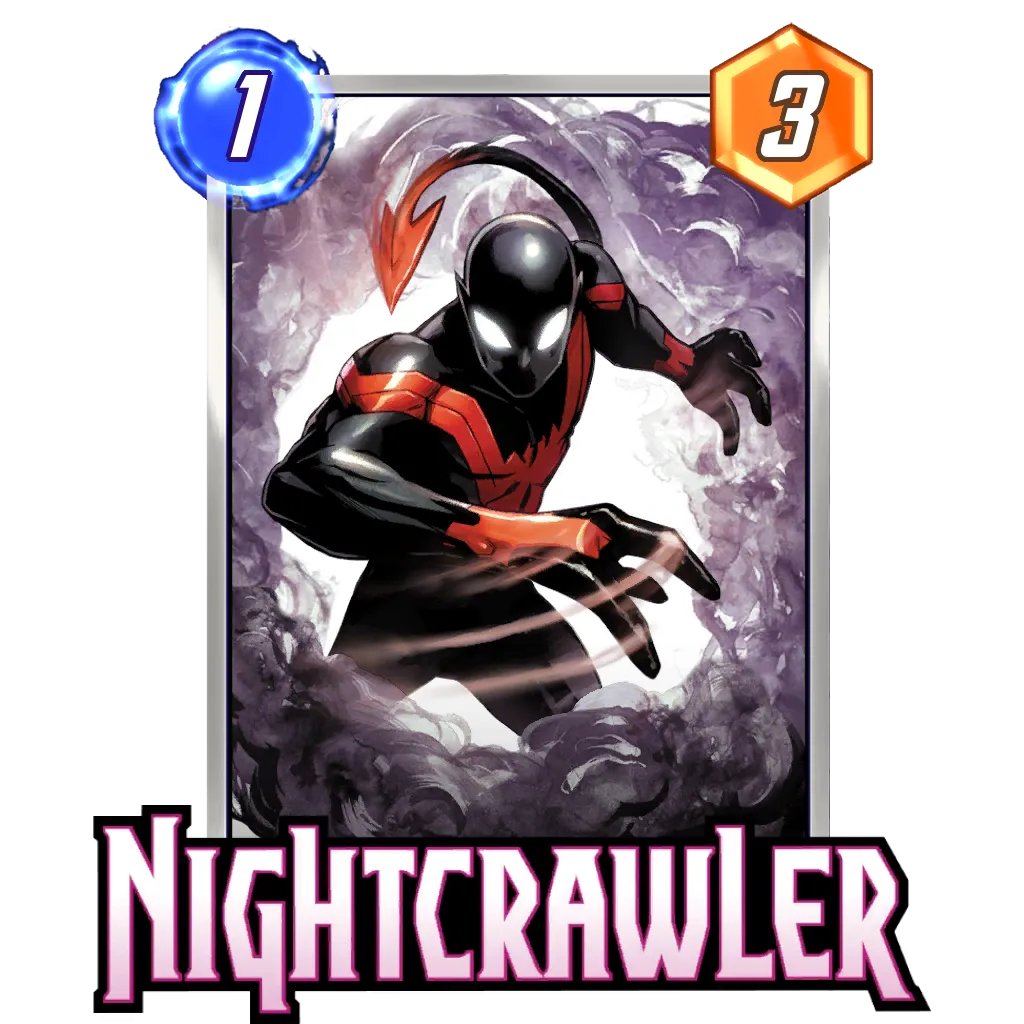
You also have several of the strongest low-cost cards in the game at your disposal. Nightcrawler and Jeff the Baby Land Shark give you flexible options, and both Demon and U.S. Agent are just strong cards for their cost that you can play on Turn 5 with little worries.
Now, let’s discuss the party poopers, and talk about Sasquatch‘s biggest weaknesses:


 Decks with Mobius M. Mobius
I could discuss other cards like Shang-Chi, but, due to the similarity with Mockingbird, it feels obvious that the card you need to keep in mind most is Mobius M. Mobius.
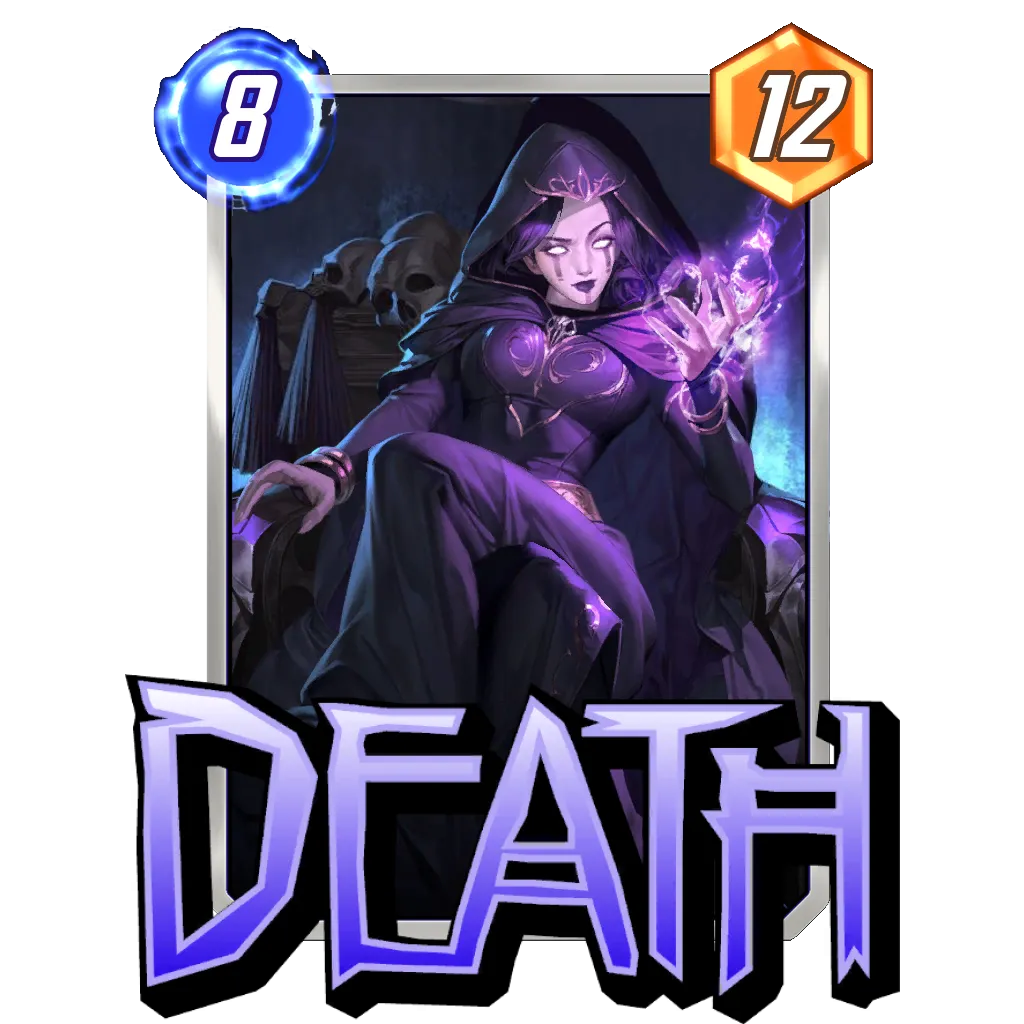
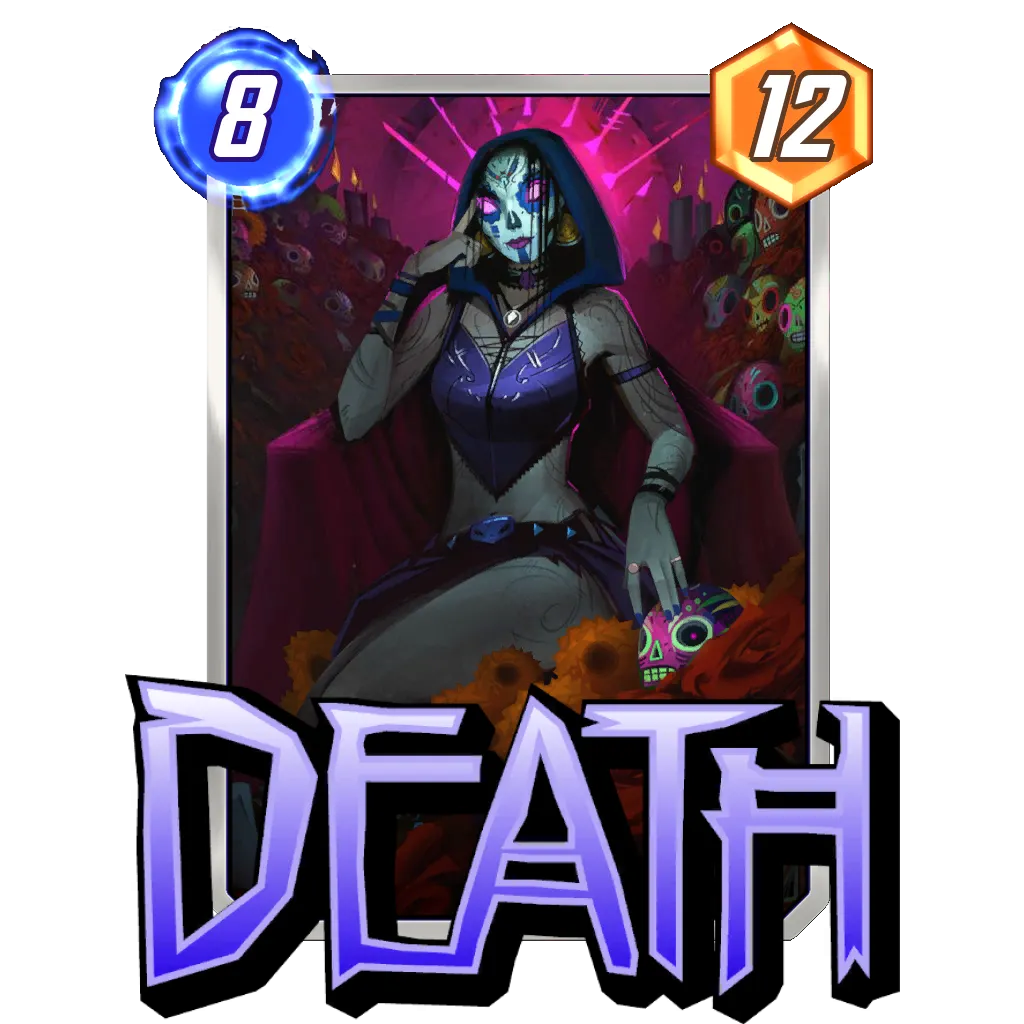
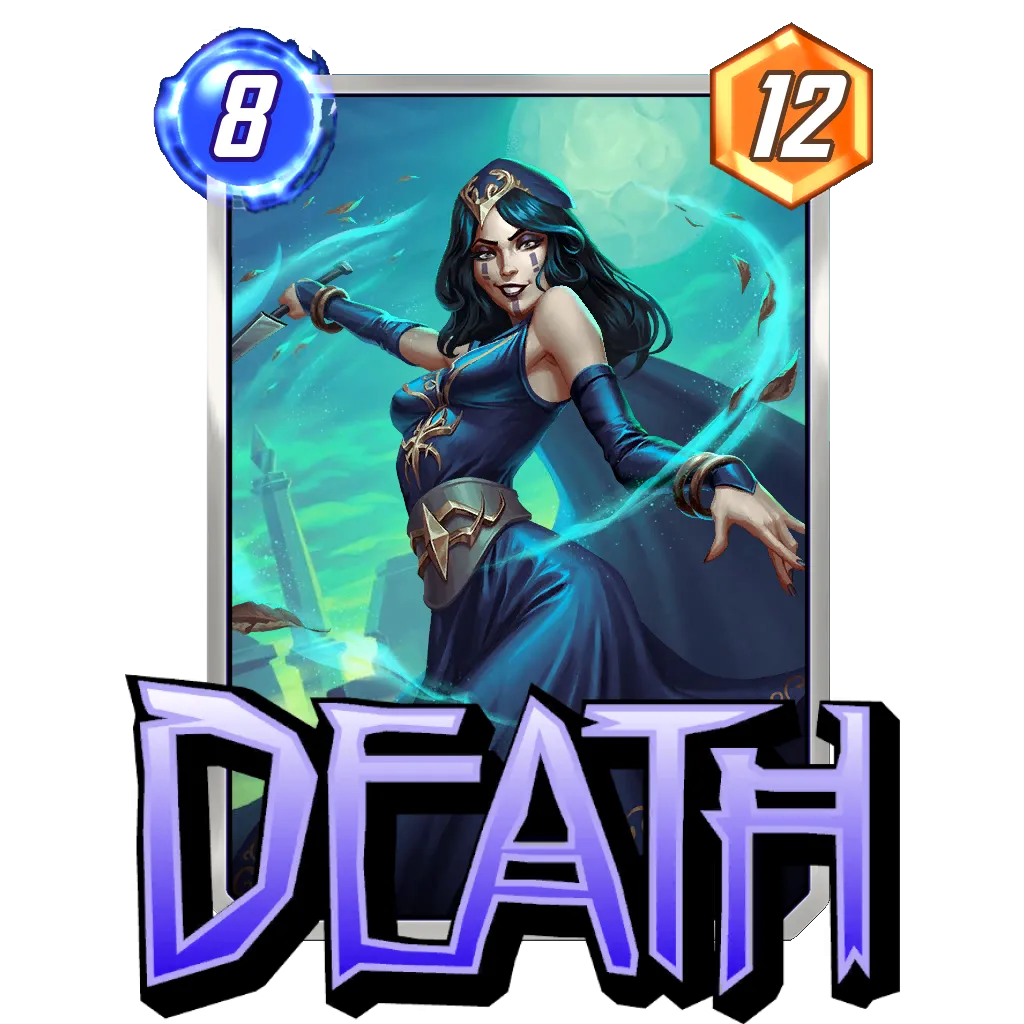
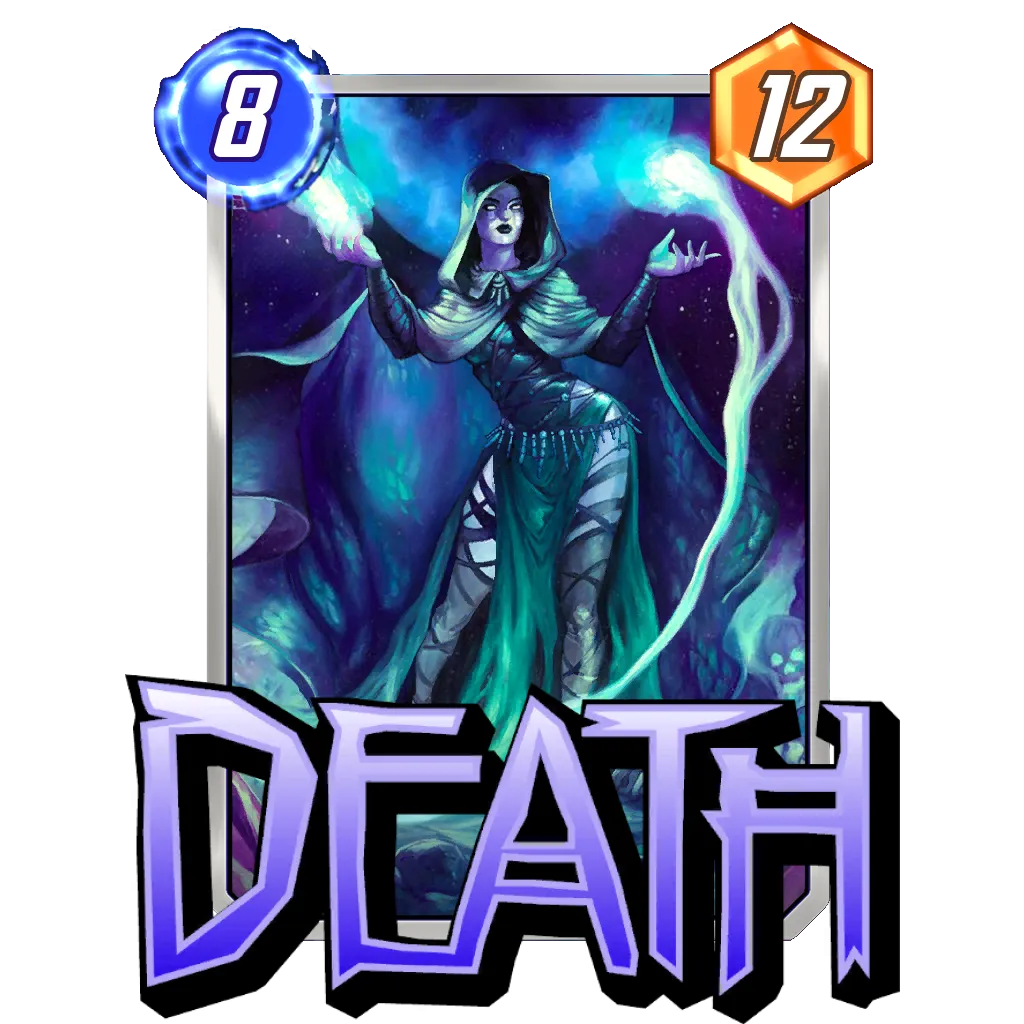
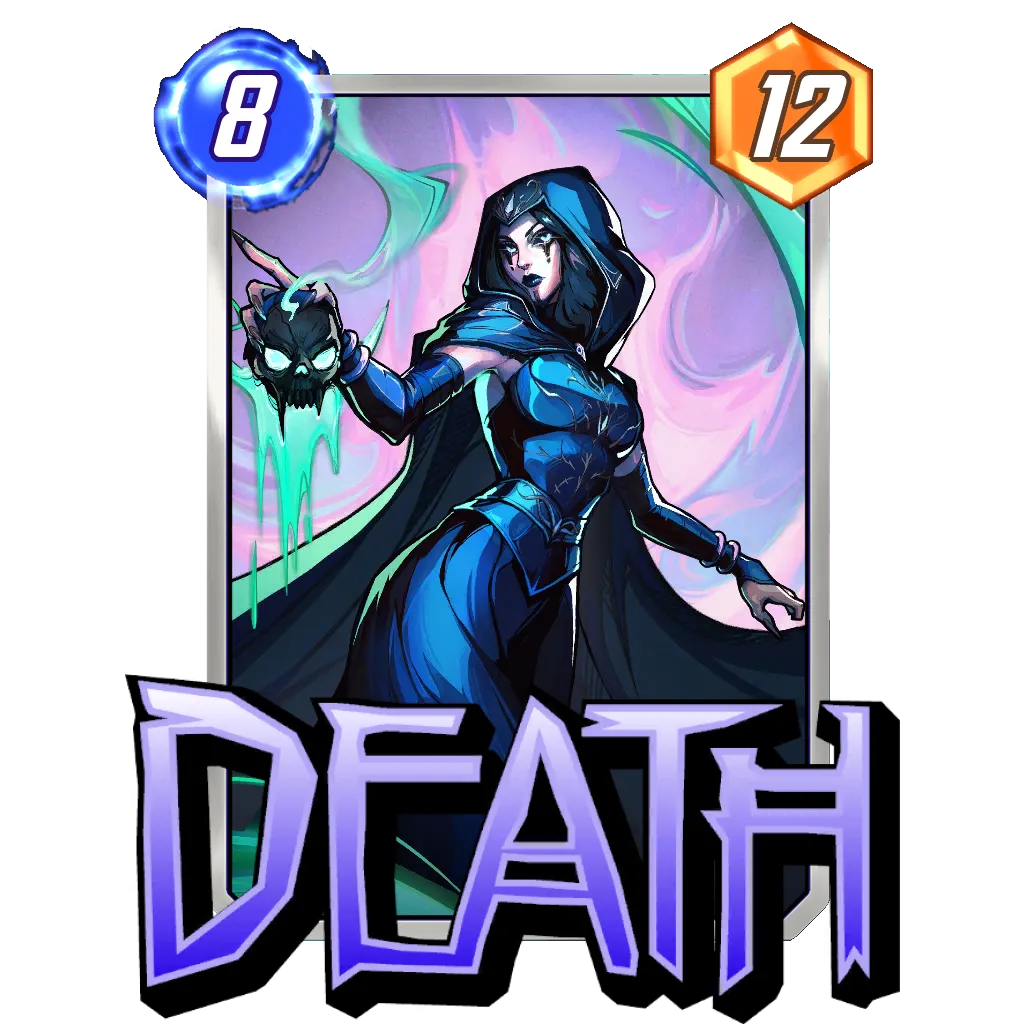
Unfortunately, while Sasquatch is coming into a meta with a returning Bounce deck, it is also entering one where the Ongoing synergy is pretty strong. Decks such as Cerebro 3 and Ongoing could easily slot Mobius M. Mobius, and that’s without mentioning Loki or other flexible archetypes that can adapt their disruptive tools. Plus, there is a good amount of Ravonna Renslayer, Loki, and Death around, so Mobius M. Mobius wouldn’t just return for Sasquatch specifically.
The Verdict
Sasquatch has clear upsides, and it could be reminiscent of Mockingbird at her peak. That alone is enough to consider it a solid addition to your collection. However, you can’t overlook the fact that Mockingbird ended up being tied to the Thanos archetype, and we aren’t seeing much of that card since that archetype was nerfed.
I do think Sasquatch has a shot at impacting the meta and bringing Mobius M. Mobius back into the discussion of must-play 3-Cost cards. However, I can also see how Sasquatch might not be more than a niche card that you might pull out when the meta allows it to exist.
I think it’s worth having Sasquatch in your collection, especially if you like to play Bounce or other explosive archetypes. But don’t be shocked if the card feels useless at times due to the environment not being ideal.
Pre-Release Score:
Bounce
 den
den


Bounce is the obvious home for Sasquatch because you can play the card in almost any Bounce shell. There’s the points-driven list with Mysterio and
The reason I like this one a little better is its ability to run both Iceman, which can be annoying against other Sasquatch decks, and Elektra, which is a good inclusion against other decks with lots of 1-Cost cards.
In this deck, you can expect to play Sasquatch for pretty cheap on Turn 5 or 6. Against an early Professor X, you can also play a 1-Cost plus Beast on Turn 3 to give you a 4-Cost Sasquatch plus free cards to play on whichever lane you expect to get locked.
Thanos


Thanos is basically gone from the meta right now, and I don’t anticipate Sasquatch will add enough to resurrect the archetype. Still, the new card strengthens the Skaar synergy since you have the Infinity Stones to lower its cost and get it in play by Turn 4 or 5. Plus, Thanos is flexible enough that you can include some current strong cards, such as the Destroy package with Death, to help both Skaar and Sasquatch.
Mill


Mill doesn’t need anymore help when it comes to annoying the hell out of its opponents. However, it could do with a bit more points in case the disruption isn’t be enough. This build is a little far-fetched in order to make Sasquatch work, though. The idea is to play Beast on Turn 4 so you can replay your Mill cards on Turn 5, thus emptying your opponent’s deck and setting up a good Sasquatch on the following turn.
You could also just play whatever Valentina gives you on Turn 4 and play Sasquatch on curve the following turn.
This one isn’t trying to be super synergistic, it just welcomes a flexible way to bolster its points total.
Ravonna Lockdown


This build has been vying for the top of the rankings in both the Ranked and Conquest modes thanks to leveraging Ravonna Renslayer‘s ability to mix Professor X and explosive play patterns. Here, Sasquatch can be a fairly simple play on Turn 4 to set for Professor X the following turn. You could also use the card for points when you can’t find Professor X and the lockdown part of the deck cannot be used. In that scenario, you would have another card that is able to help win a lane alongside Angela, Sage, or U.S. Agent.
Variants
Closing Thoughts
Overall, I feel like Sasquatch might disappoint a lot of people who saw it as the super impactful card of the month. I don’t think it will be a bad card, but Mockingbird was also great and it disappeared from everybody’s radars once Thanos got nerfed. I would be a little cautious this time and only purchase the new card if you enjoy the game play it pushes for. Otherwise, if you just go after Sasquatch for its perceived raw strength, I’m afraid you might not play the card for long. Primarily because Bounce decks aren’t that simple to play, but also because of how the meta might adapt to counter it.
I hope this breakdown helped you make a decision about Sasquatch. I know I will definitely grab it because I love to play Bounce! If you’d like to discuss the card more, feel free to join us on discord, or tag me on Twitter.
Good Game Everyone.



More Content