


Whether you are new to Marvel Snap or a veteran player, understanding the core aspects of deckbuilding is key to your success. Not only does it help you to craft your own deck ideas more effectively, it also helps to highlight what is and isn’t working in a deck. To help you grasp the basics, this guide will walk you through the core components of any deck, building your own deck, and refining it.
This article was featured in-game by Second Dinner during Steam’s Deckbuilding Fest.
The Core Components of Deckbuilding
Understanding what makes a deck functional is the first step to deckbuilding. So to start, let’s take a look at a complete deck to analyze its’ components:

Core Cards and Win Conditions:
Core cards are the theme your deck is based around. Without a core, your deck struggles to do anything more than put numbers on the board and hope for the best. Your core is what creates a “win condition”, meaning the goal you have to win a match.
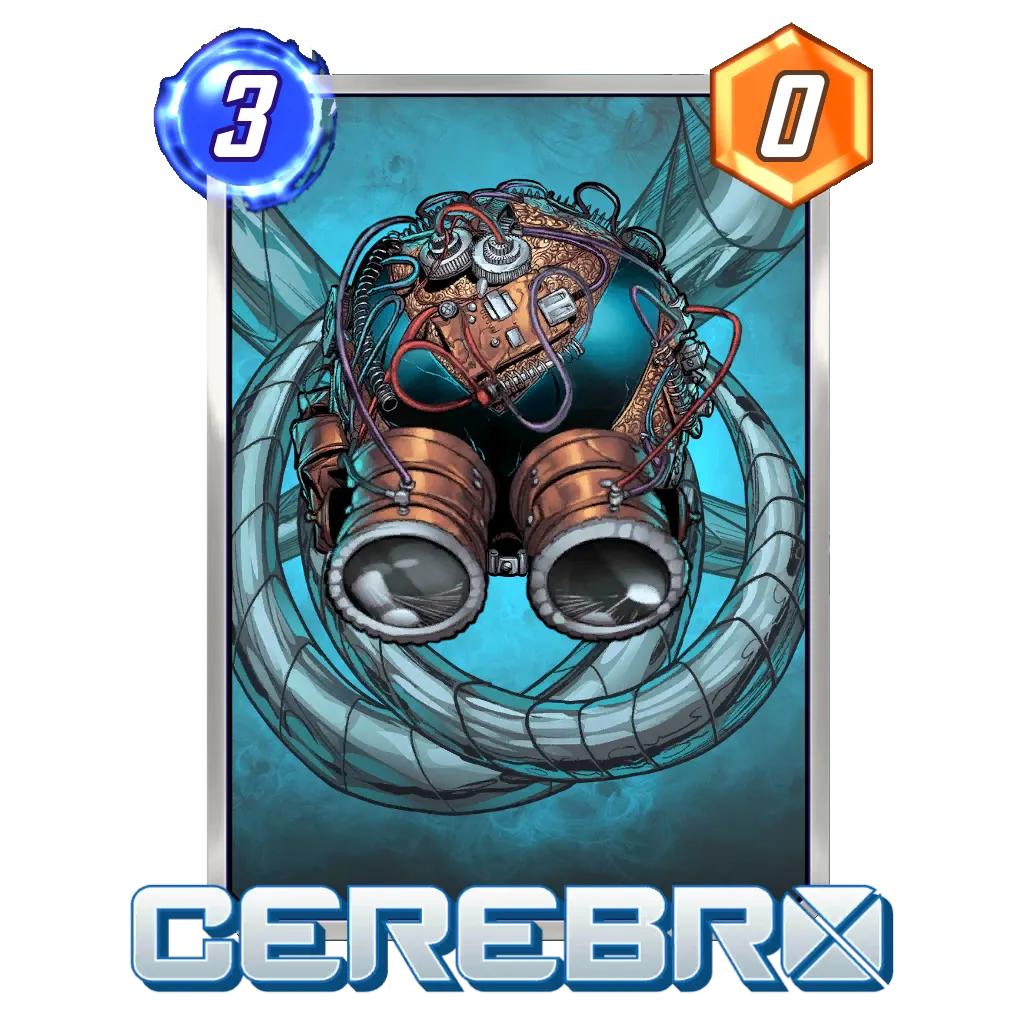
For example: Cerebro has the text “Ongoing: Your highest-Power cards have +3 Power”. If you just toss this card into any deck, it won’t do you much good. If you craft a deck where every card has the same Power though, then Cerebro buffs ALL of your cards! This makes Cerebro the core of your deck that all other cards should be themed after.
In our reference deck, the cores are “end of turn” cards with Invisible Woman: First Steps as the central core that hold the deck together. So your win condition is to generate value through end of turn cards, and maximize it through IW:FS.





 Decks with Invisible Woman First Steps




Supporting Cards:
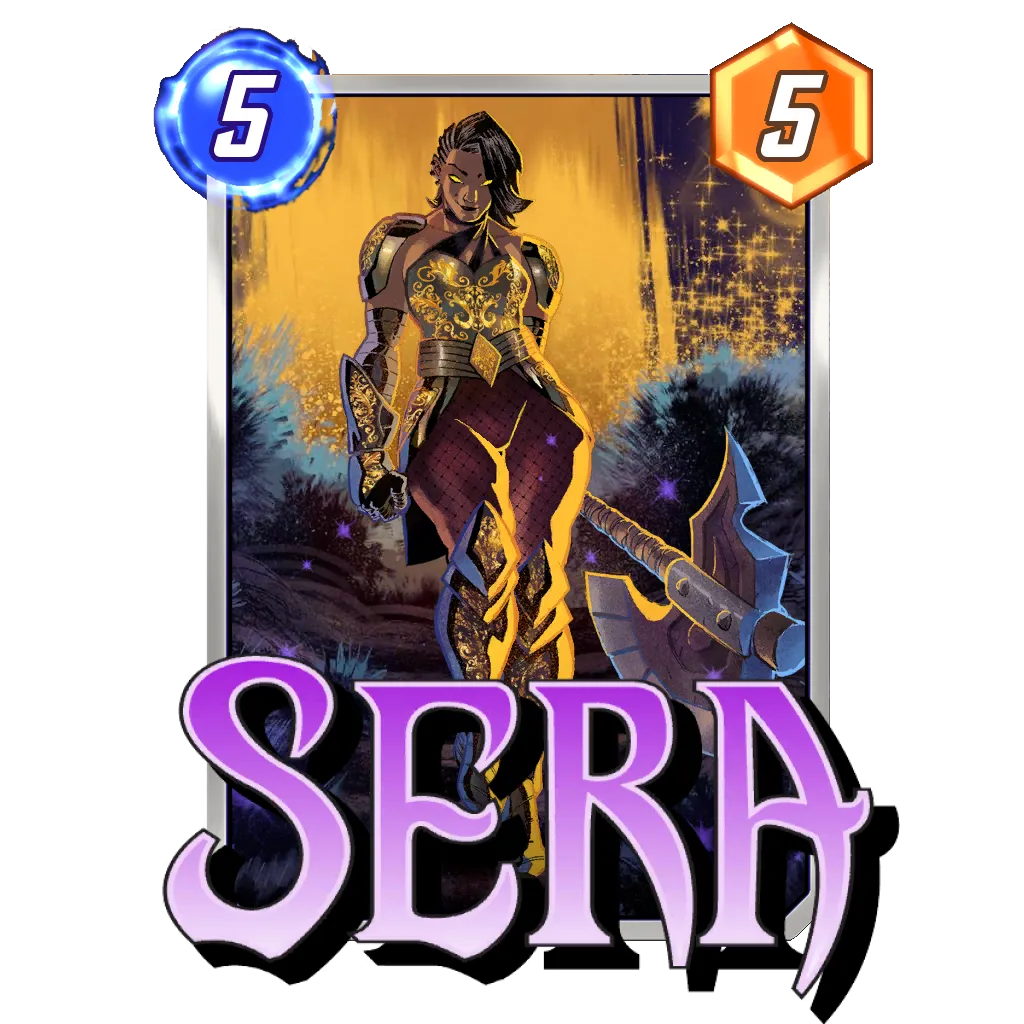
These are the cards you add that make your core cards get added value. These could be cards that get value from your theme, or cards that help your theme be more consistent. For example: Sera and Ravonna Renslayer can reduce your card costs, letting you play your core cards more effectively.
In our reference deck, a supporting card would be Aurora. She may not be an “end of turn” card, but she supports your deck’s theme by adding Power across the range of card types you will have.











 Decks with Aurora
Tech Cards:
“Tech” is a term that basically means counter. So a “Tech Card” is a card that your deck uses with the intention of countering your opponent. Shadow King, for example, is a tech against opponents who play cards that grow in Power. This gives you some interaction with your opponent, which can turn the tables in your favor very quickly!
Other tech cards you will see are cards like Armor (to counter Destroy decks), Red Guardian (to counter set up cards like Dracula), Enchantress (to counter Ongoing decks), or Killmonger (to counter 1-Cost card decks). While this isn’t a full list of every tech card, this gives you an idea of what “tech” looks like.
Back in our reference deck, our tech cards are Cosmo and Ghost Rider”]. These two offer a way to interrupt your opponent’s game plan, but don’t contribute to making your deck function.





 Decks with Cosmic Ghost Rider












Tech cards don’t have to be purely a counter card though! The best tech cards when deckbuilding are ones that also synergize with your core cards! For example: Cosmo in our reference deck not only techs against your opponent, but he also protects your important cards like IW:FS and Doctor Doom 2099. When tech cards don’t have to rely on always being just a counter, your deck will perform significantly better!
With that said, be sure your tech cards don’t actively work against you! For example: you probably don’t want to include Cosmo as a tech card in your deck if you are playing cards like Wong or Odin.
Flex Slots:
Some decks may have “Flex” cards, which are cards that aren’t necessary for the deck to function, but can help it adapt to the meta. It also helps you make adjustments without scraping the entire thing.
You may be missing certain cards from a deck, but if they are flex cards, you can substitute them out and still play the deck! Flex is also a way for you to express your personal playstyle by including a card that other players may not typically choose.
With our reference deck, a good flex card would be Chamber. He often creates a lot of Power for you, but a different 2-Cost card could go in his place and the deck would still function the same.


 Decks with Chamber
Shells:
“Shells” (also known as “Packages”) are a small set of cards you frequently use in the same decks together. These cards can be played separately, but work very well together, so they become synonymous with each other. Think of it as a small preset of core cards for a deck.
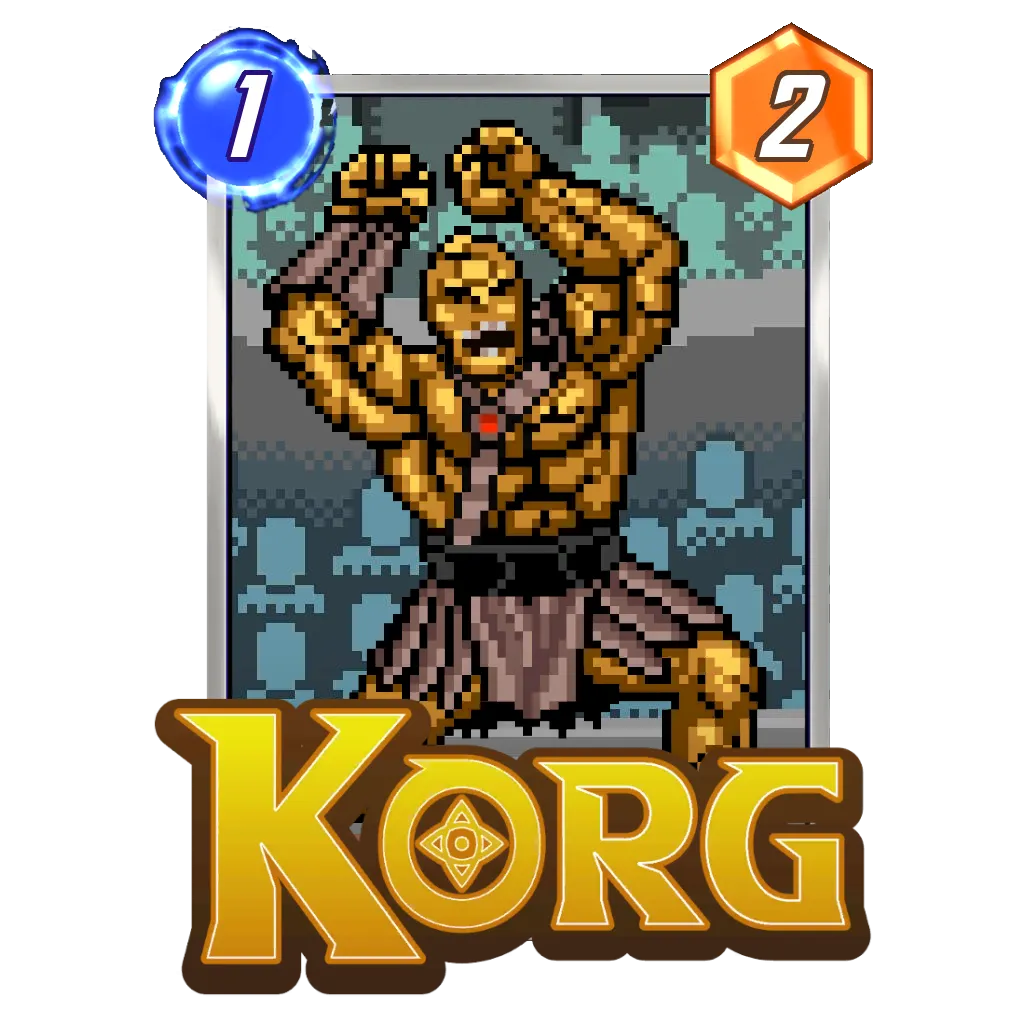
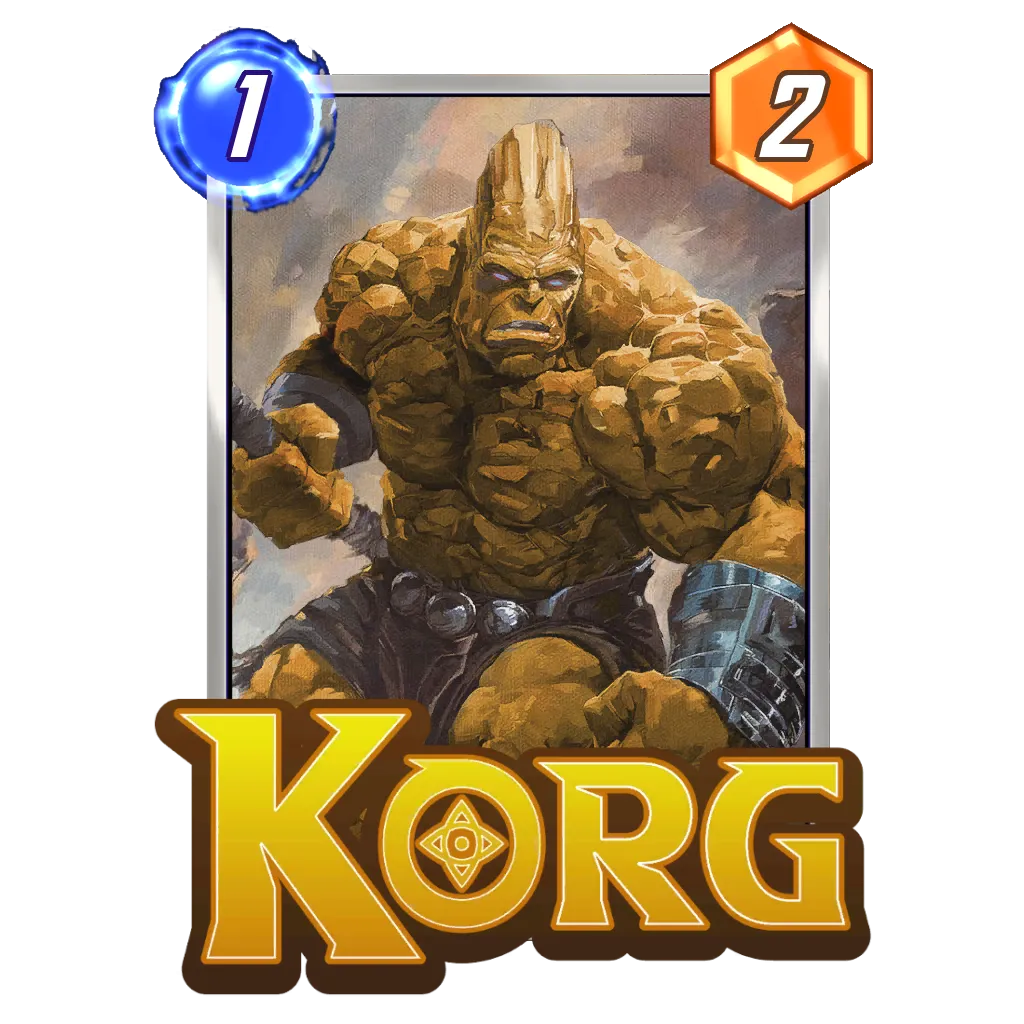
For example: A Darkhawk shell includes Rockslide, Korg, and Terrax the Tamer. These three cards all add rocks to your opponent’s deck, which makes Darkhawk gain more Power. Most Darkhawk decks will run these three, making it a “shell” that defines that deck style.





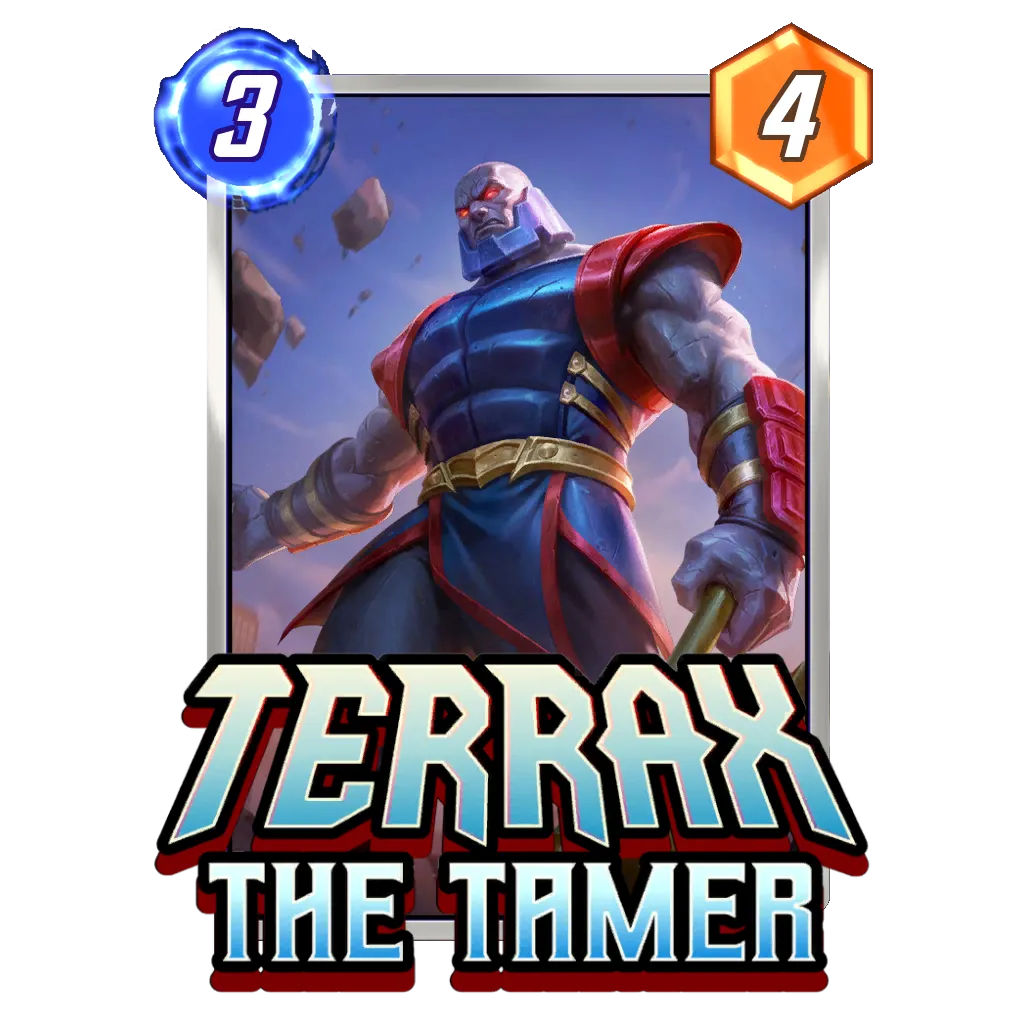

 Decks with Terrax the Tamer

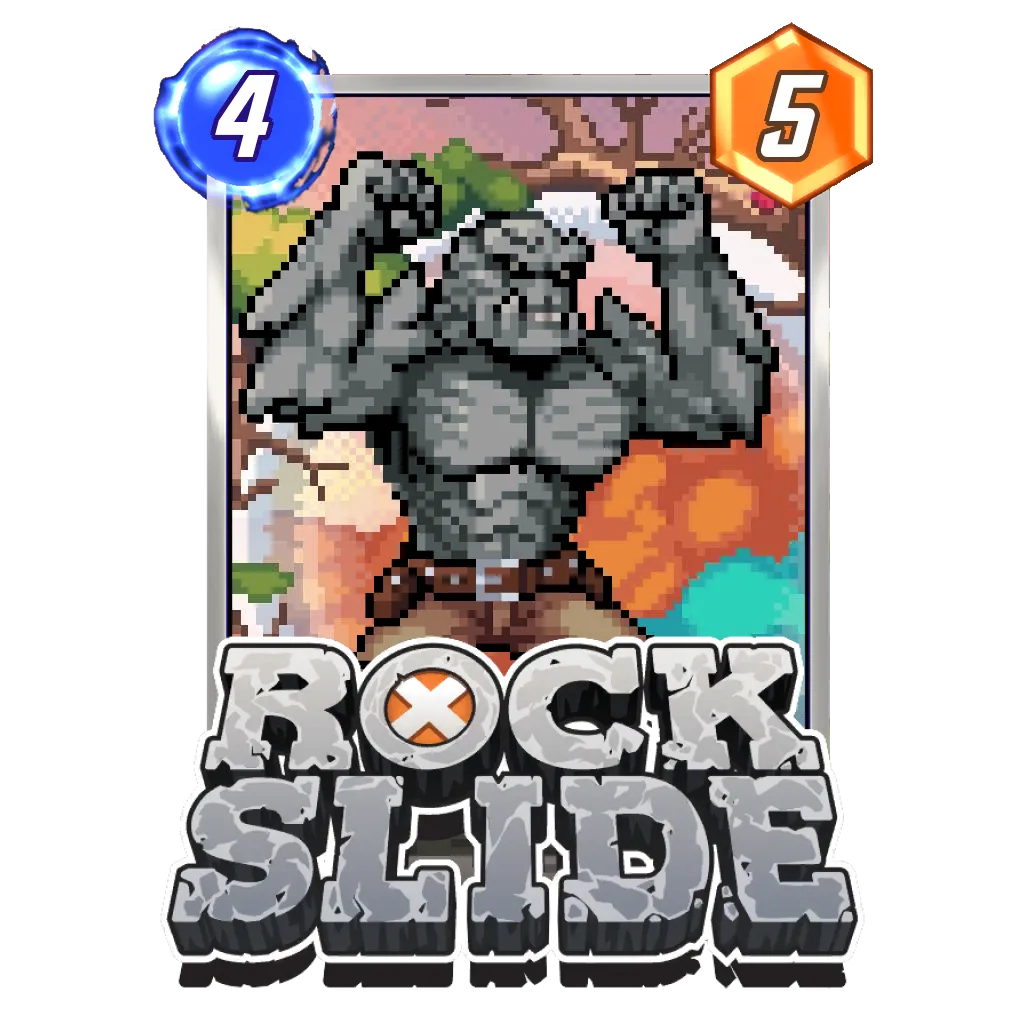


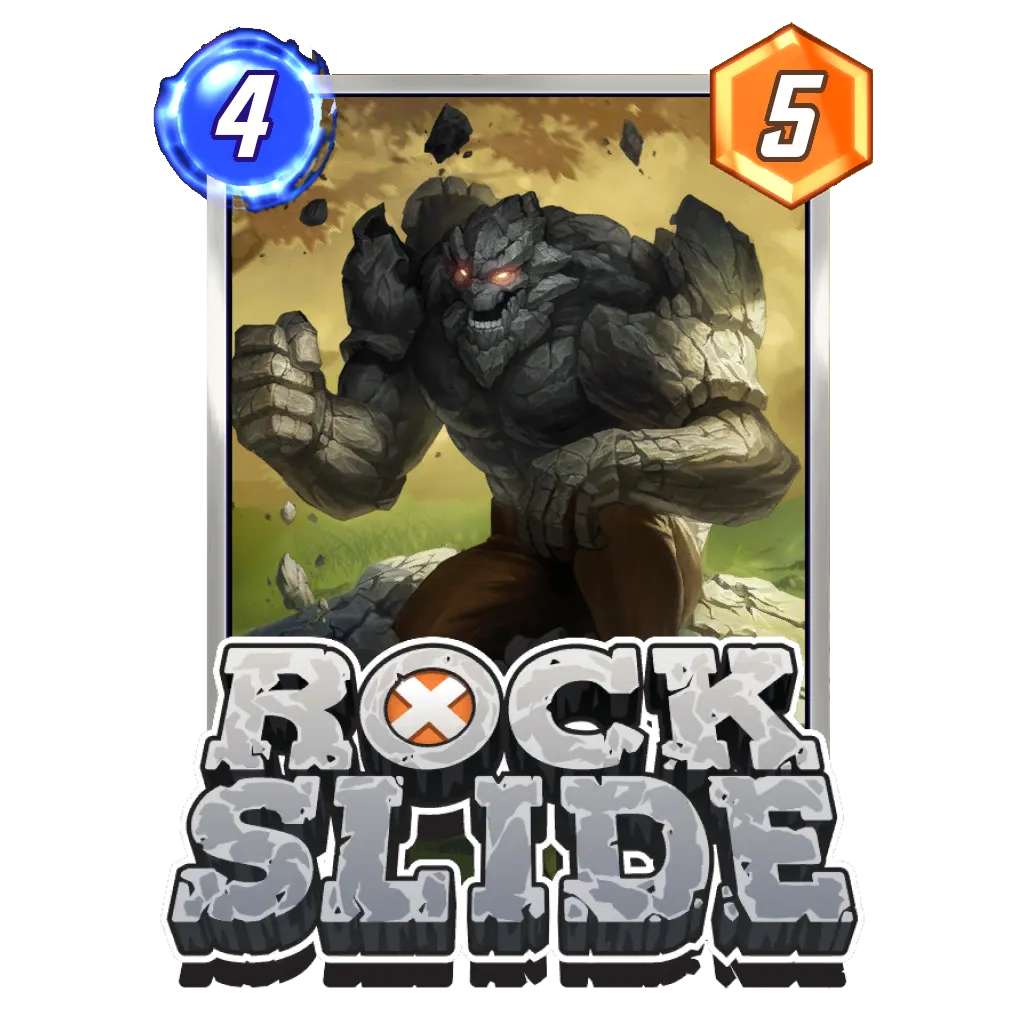

 Decks with Rockslide




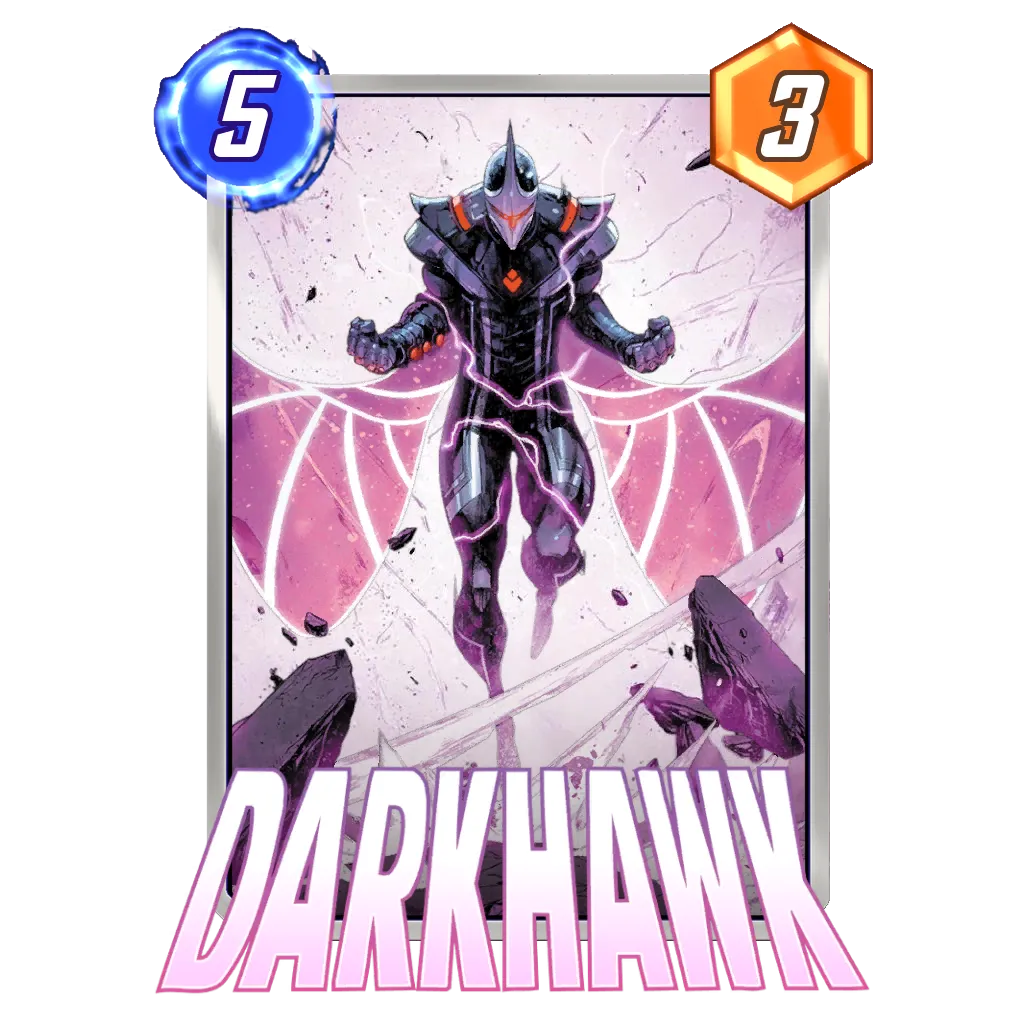



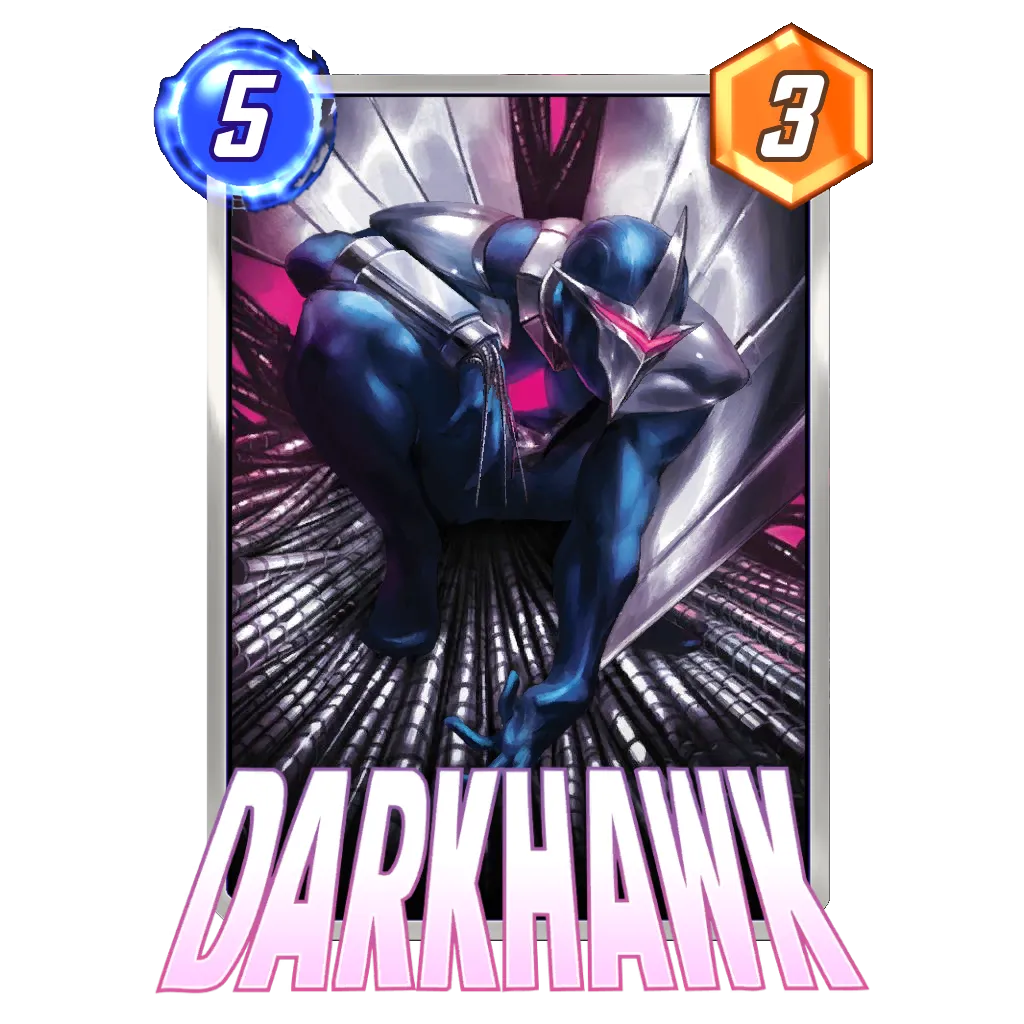
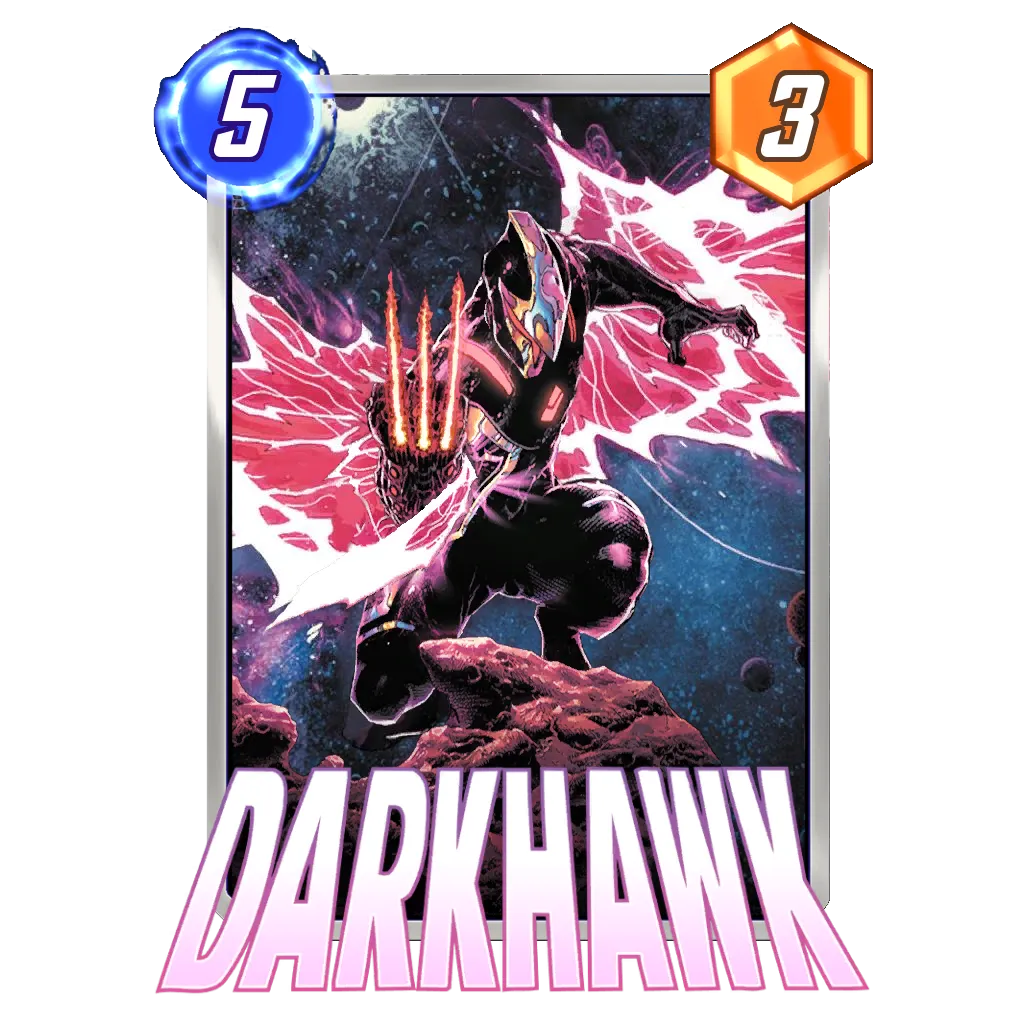

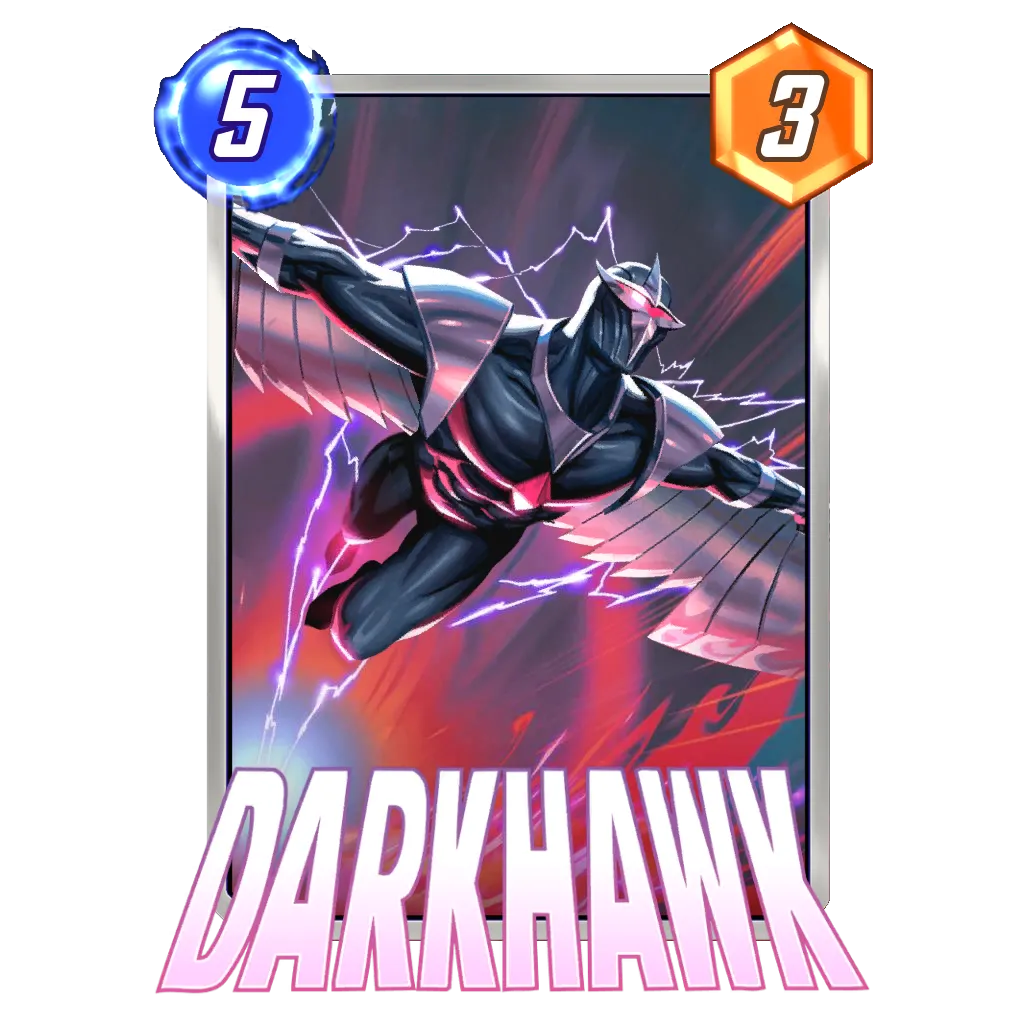

 Decks with Darkhawk
Deck Curve and Tempo
A “curve” is the way you play out your cards from turn 1 to turn 6. If you spend all of your energy each turn and let none go to waste, you have a “perfect curve”. In practice, this just means you don’t waste any time skipping turns because you can’t really play any cards. If your deck has a majority of the cards costing 5 or 6, you will likely be skipping your first few turns. This means you lose out on tempo.
“Tempo” is basically the pace you should be trying to keep throughout a match. If you lose tempo, your opponent may put more Power on the board early game, which makes it an uphill battle for you. If you keep tempo by playing a good curve, you are less likely to lose games because you “didn’t draw the right cards soon enough”.
Building Out Your Deck
Now that you know the card types and fundamentals of deck building, it’s time to build out your deck. Let’s build one together to practice:
1 – The Core:
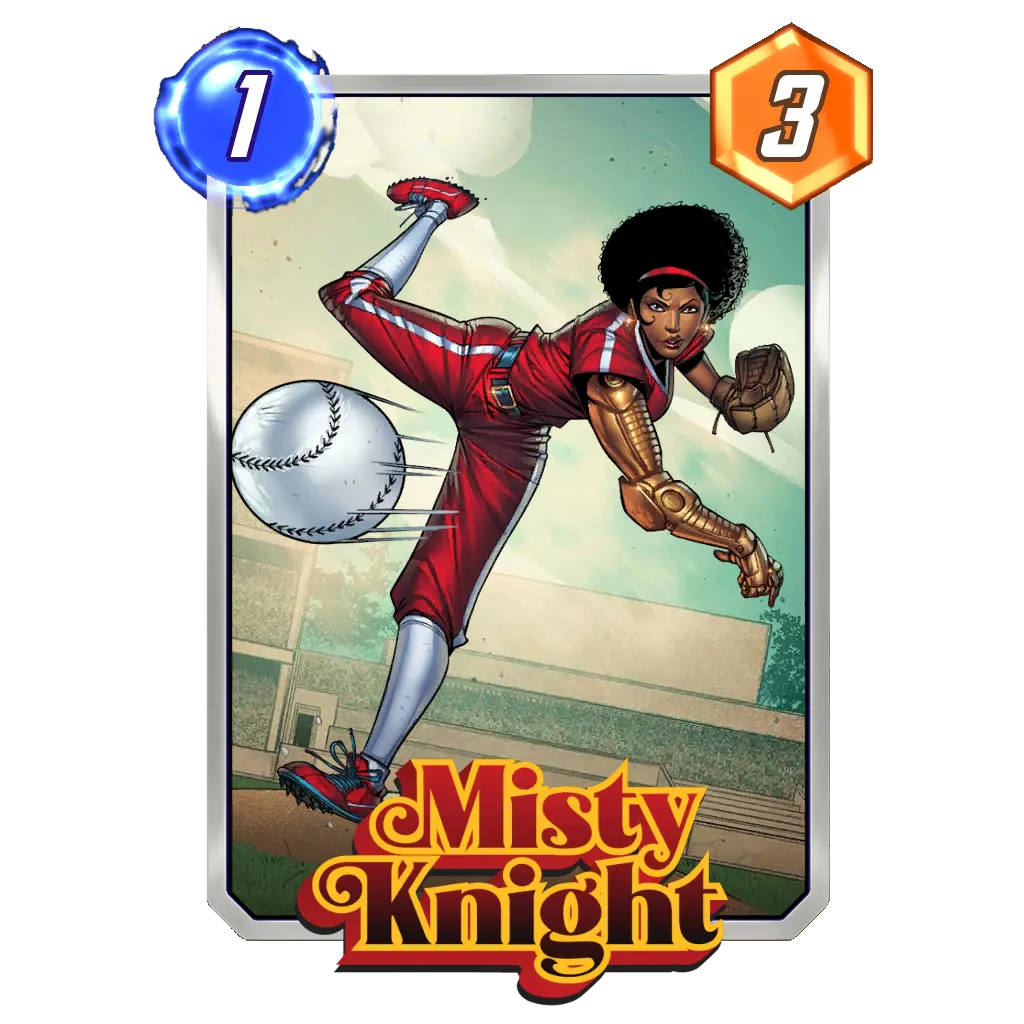
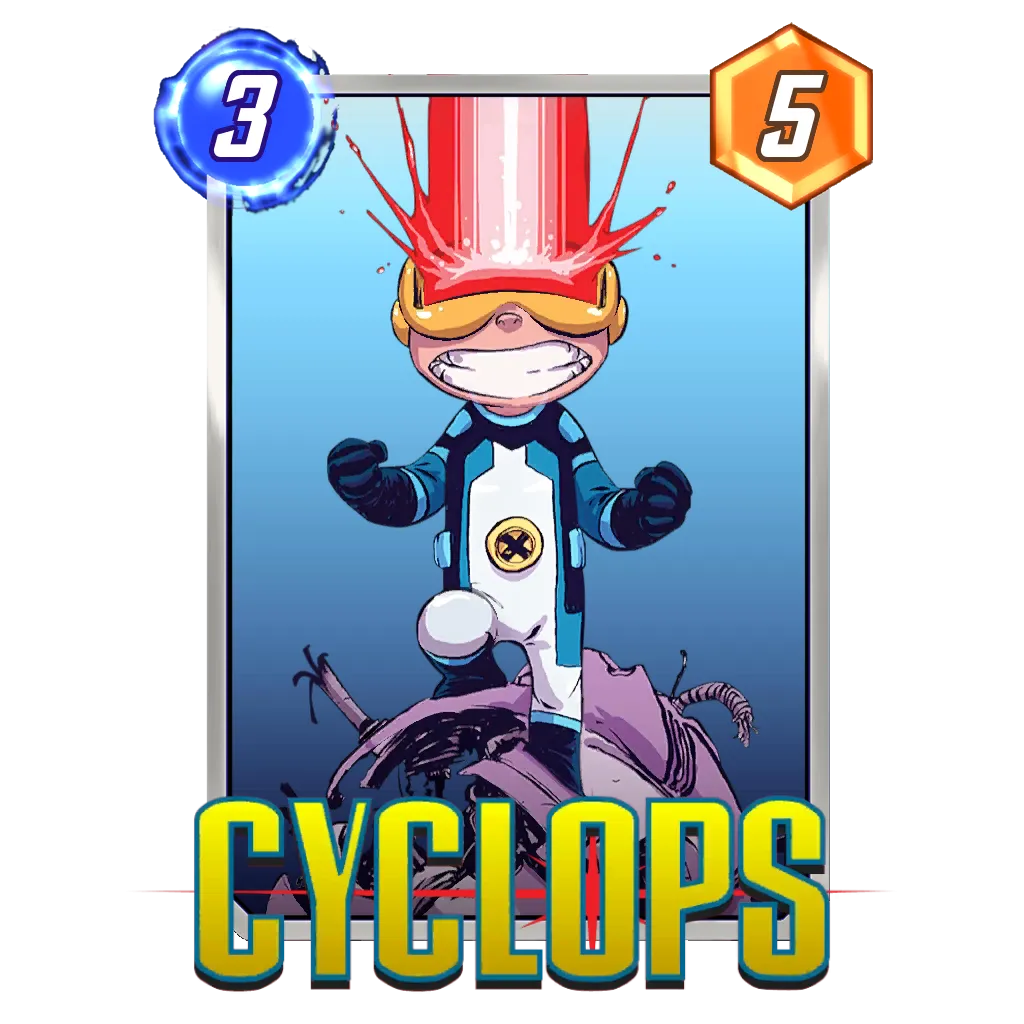
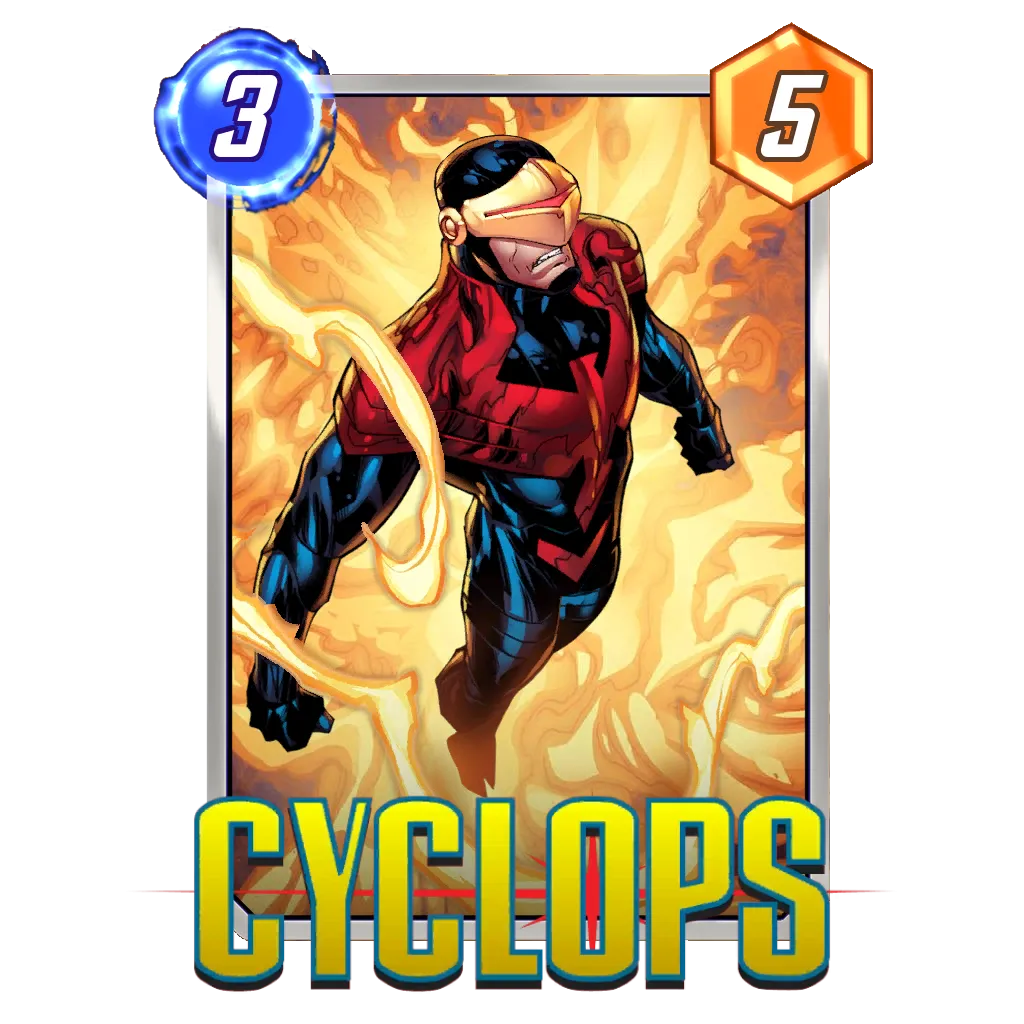
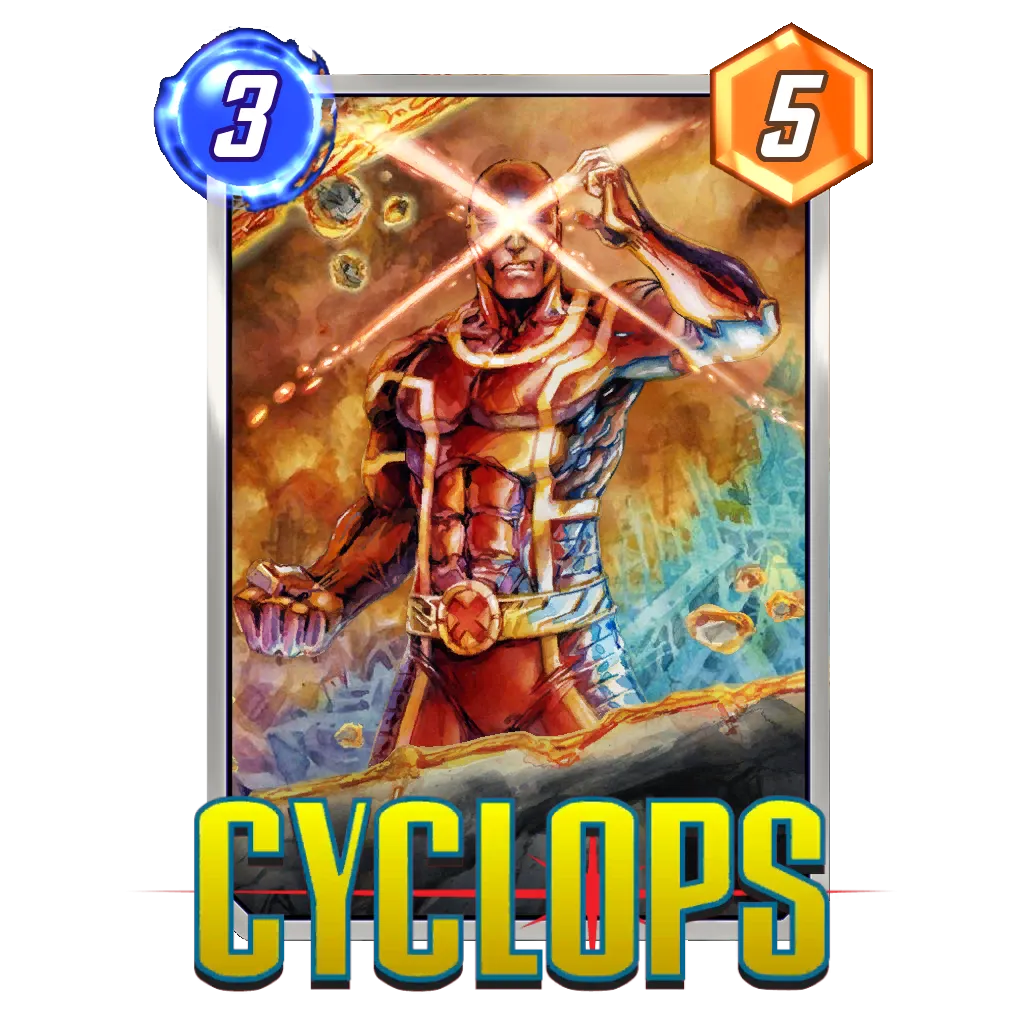
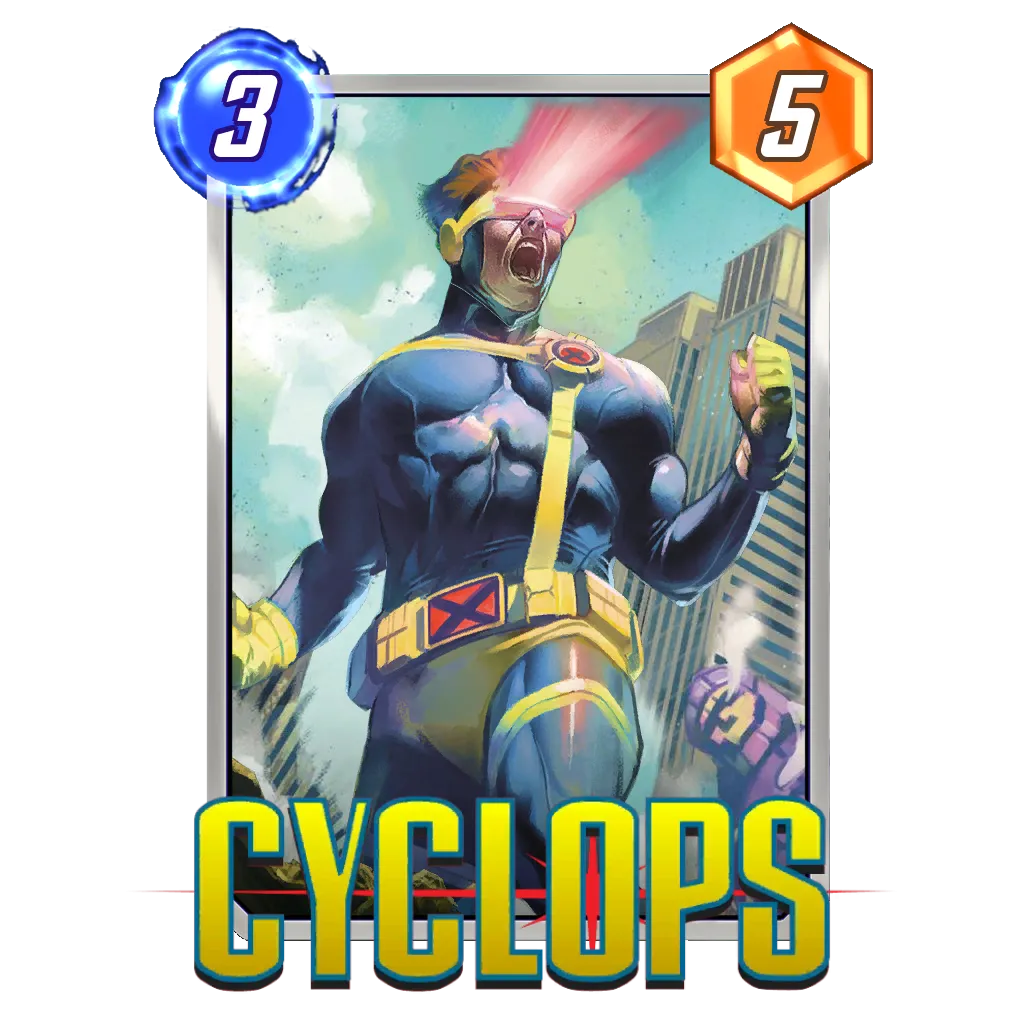
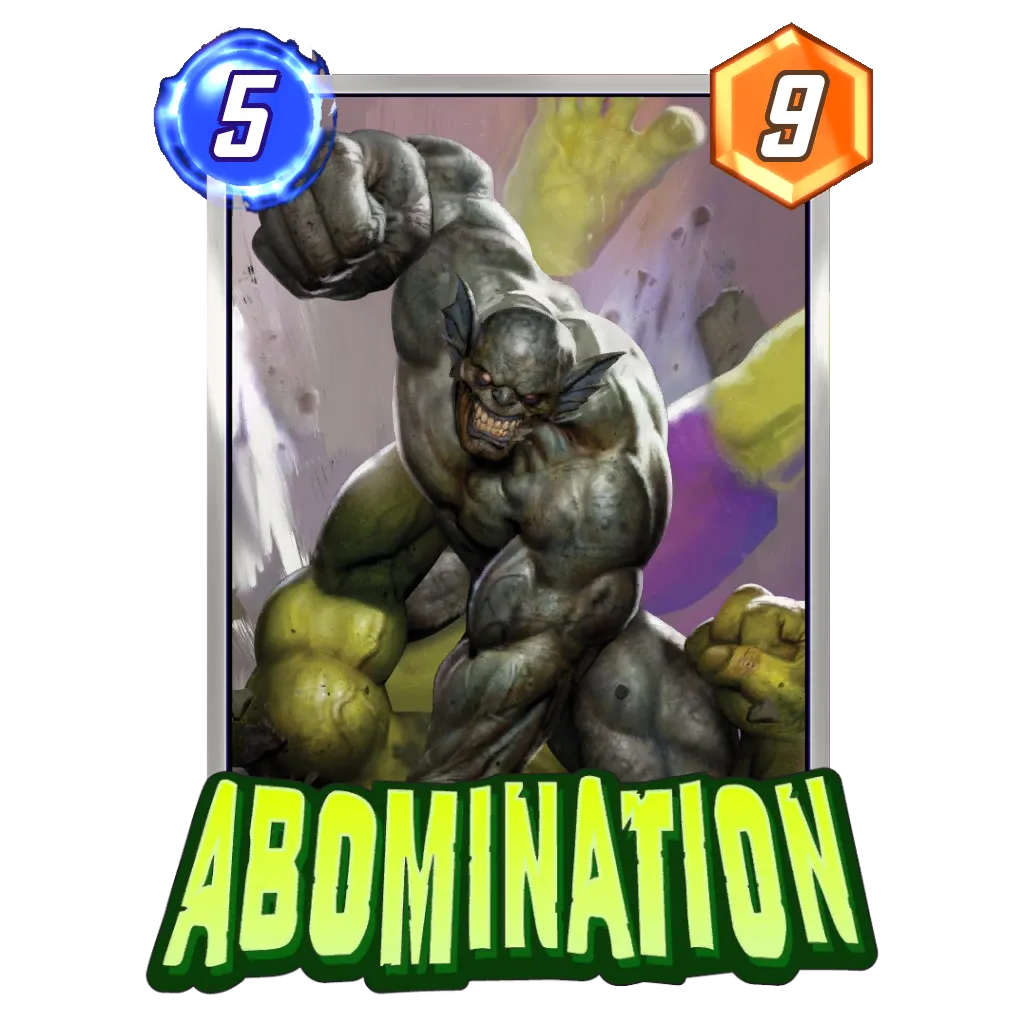
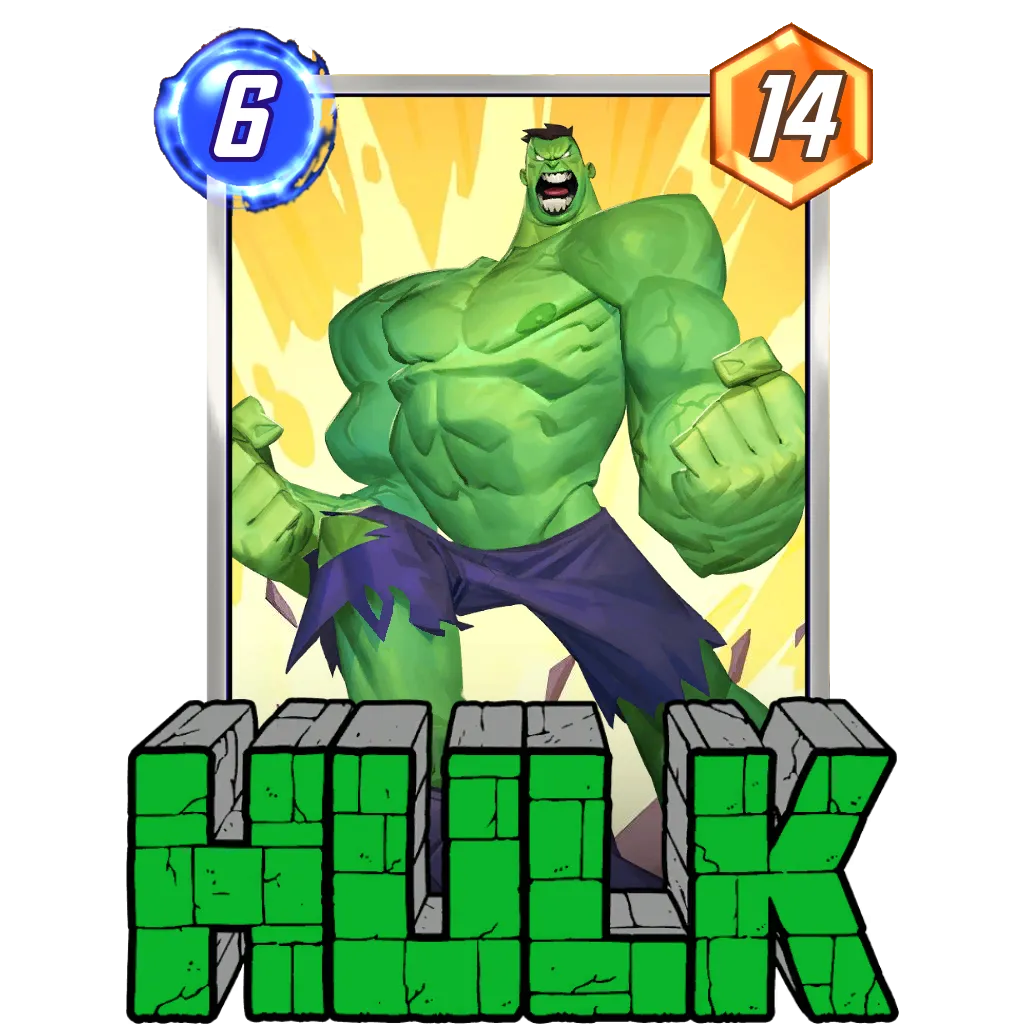
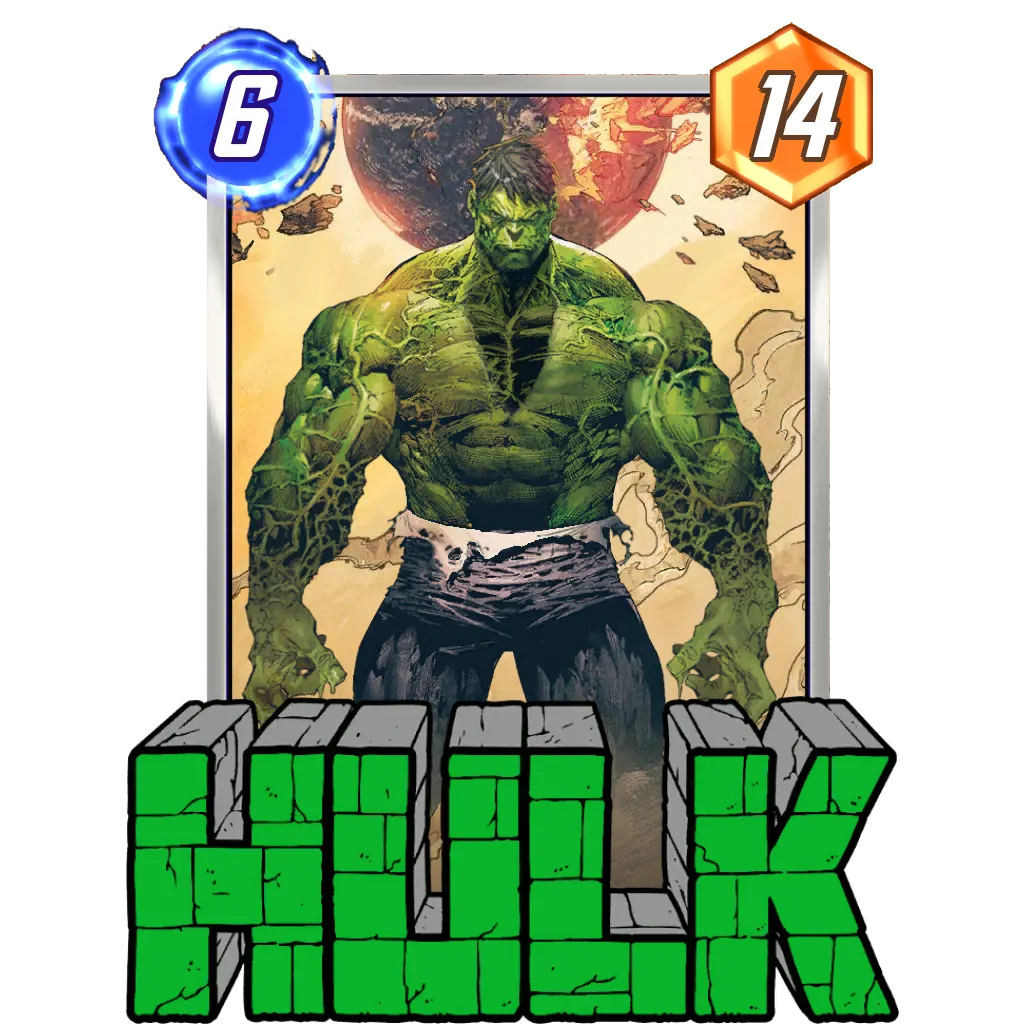
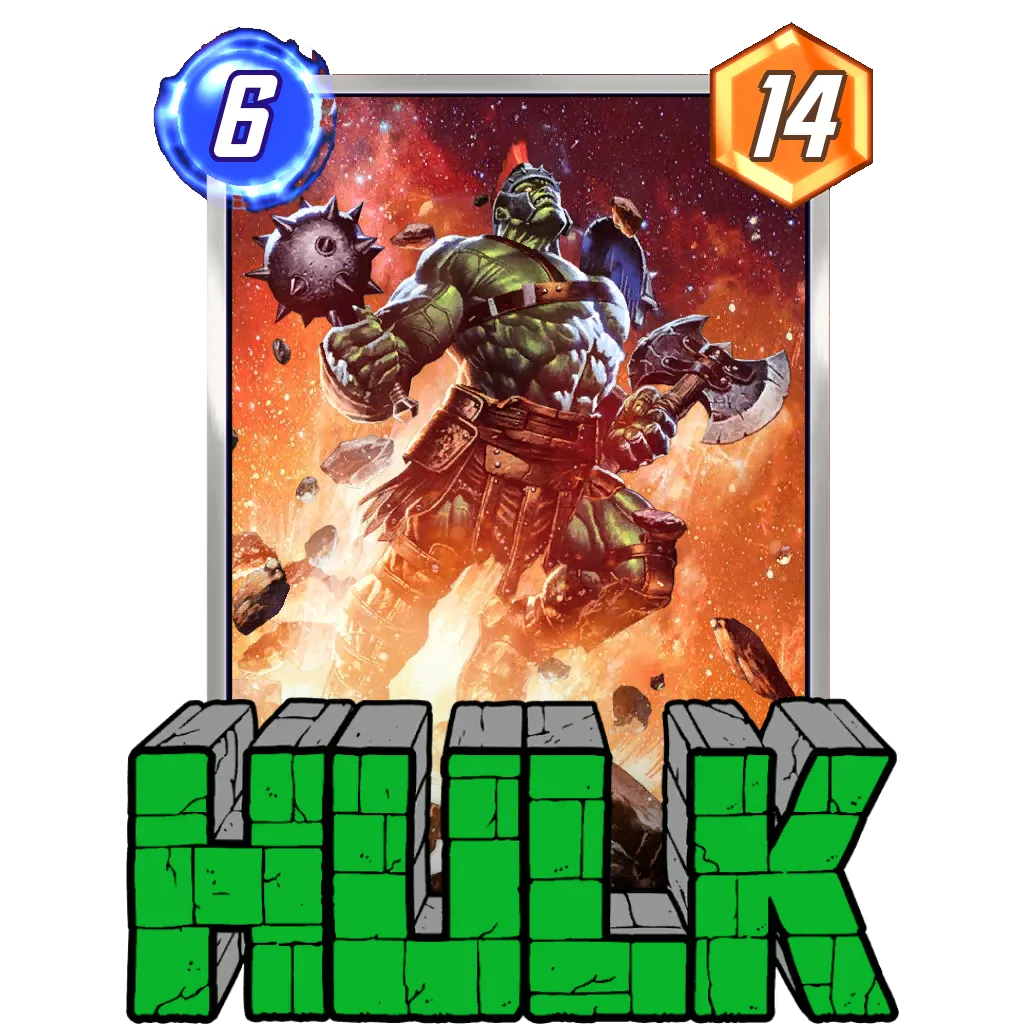
To begin, we need a core to base the deck around. Let’s go with High Evolutionary! This card has a built-in shell of “no ability” cards including Misty Knight, Cyclops, Abomination, and Hulk. This makes our win condition about skipping energy each turn to generate value.


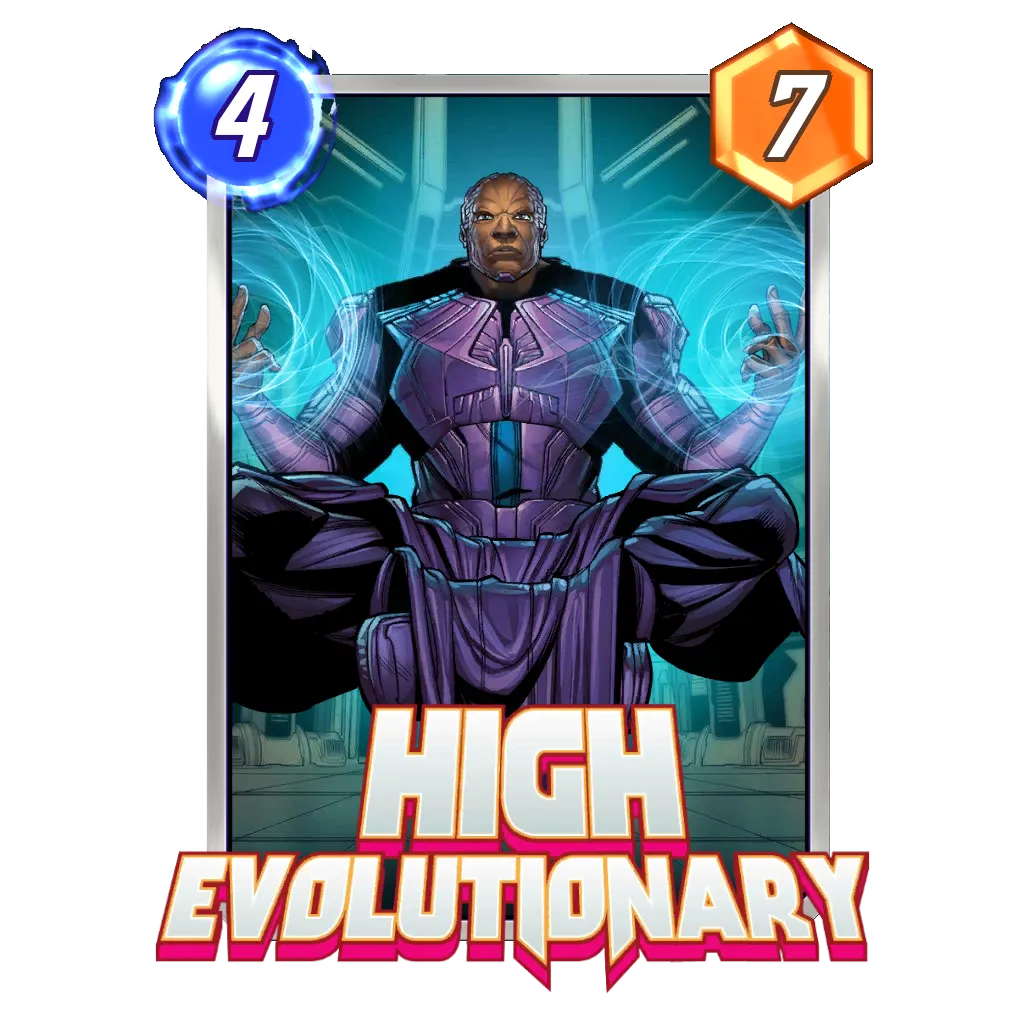


 Decks with High Evolutionary

















2 – The Supports
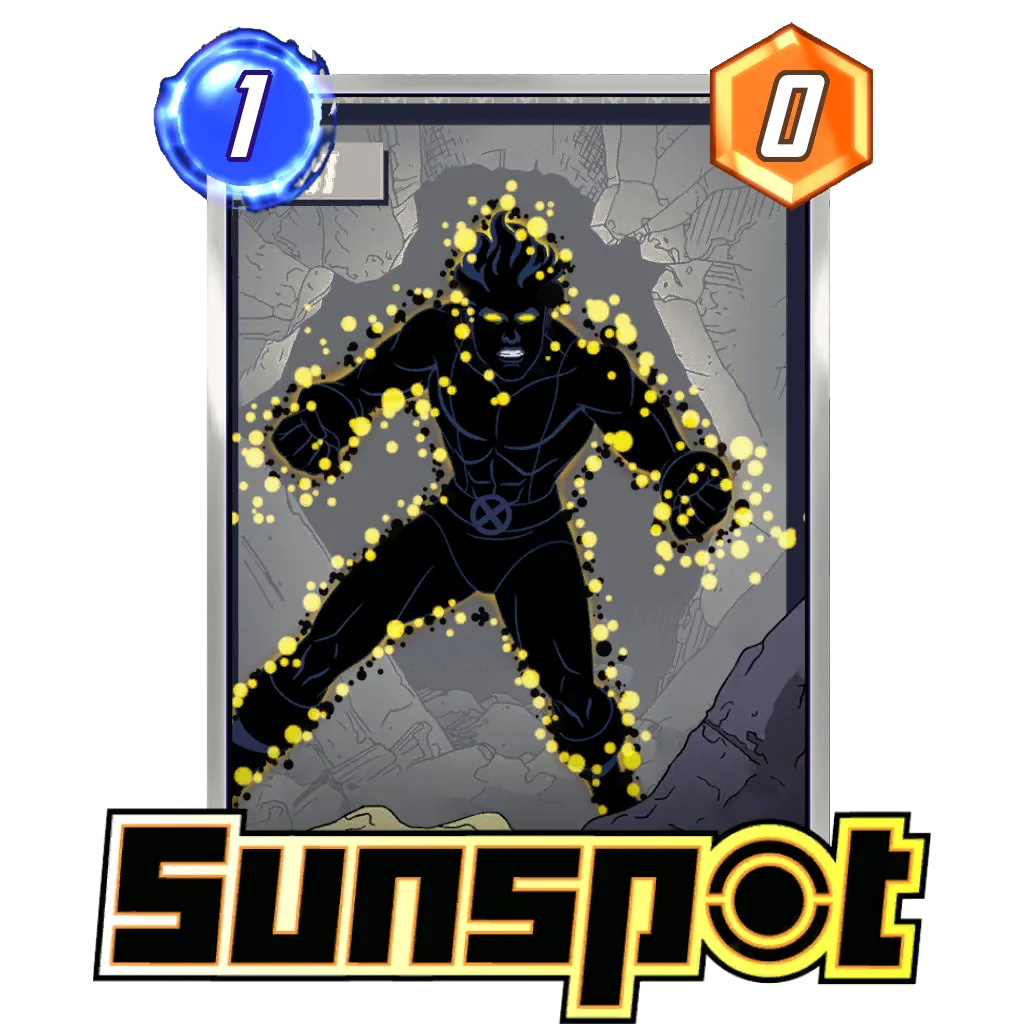
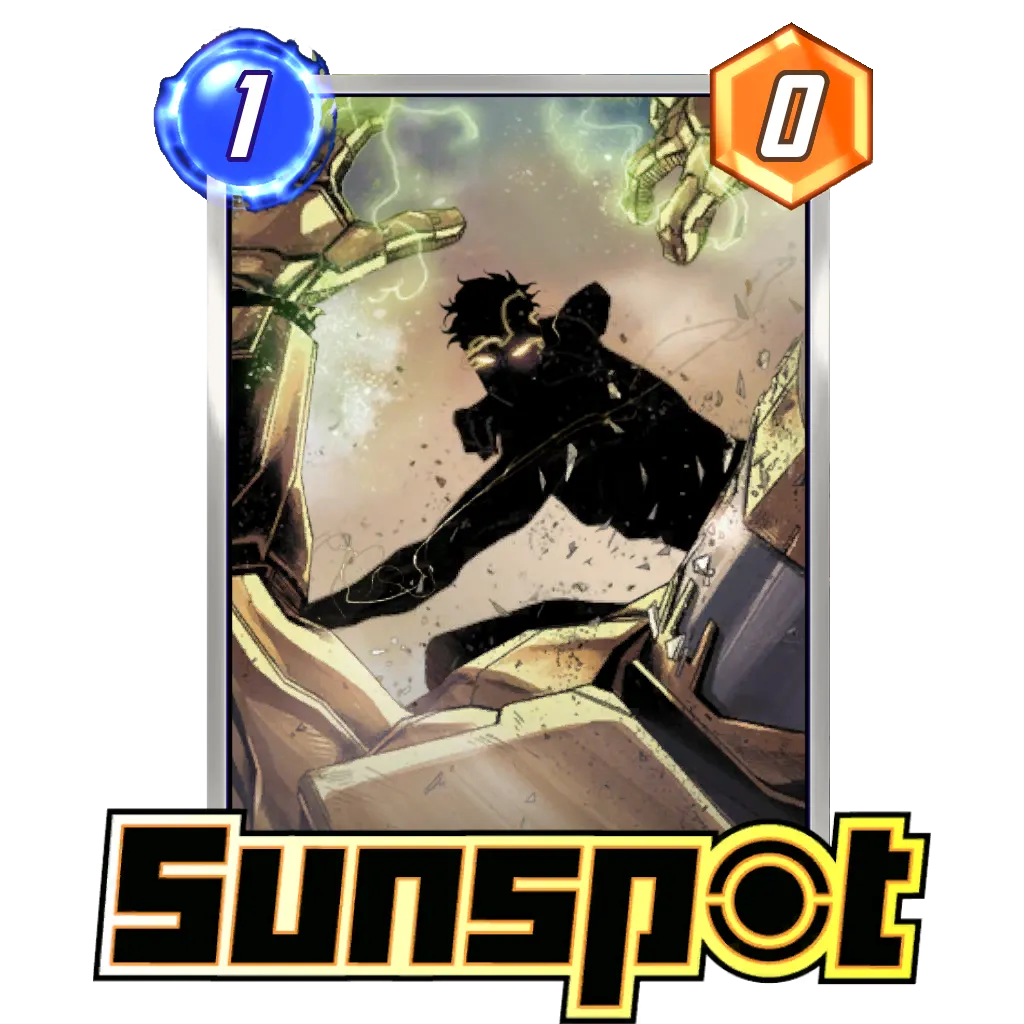
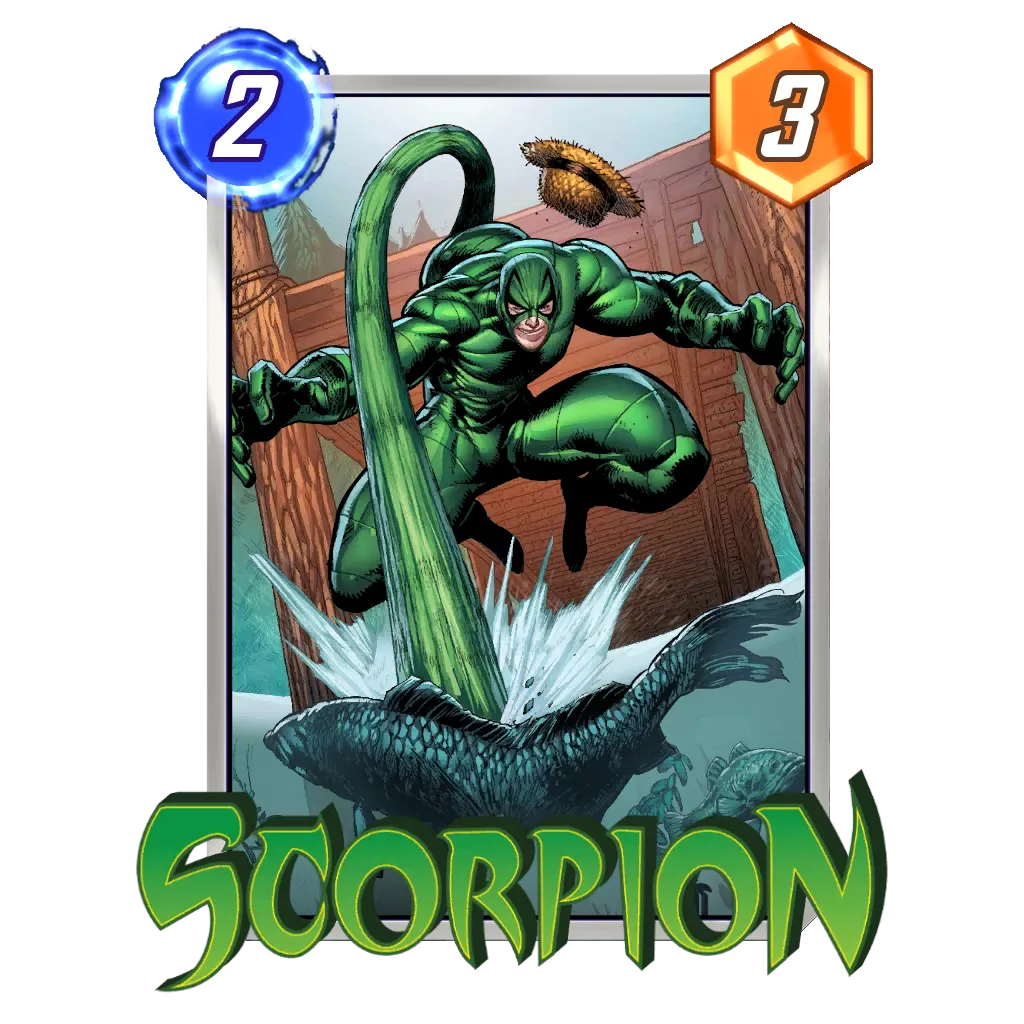
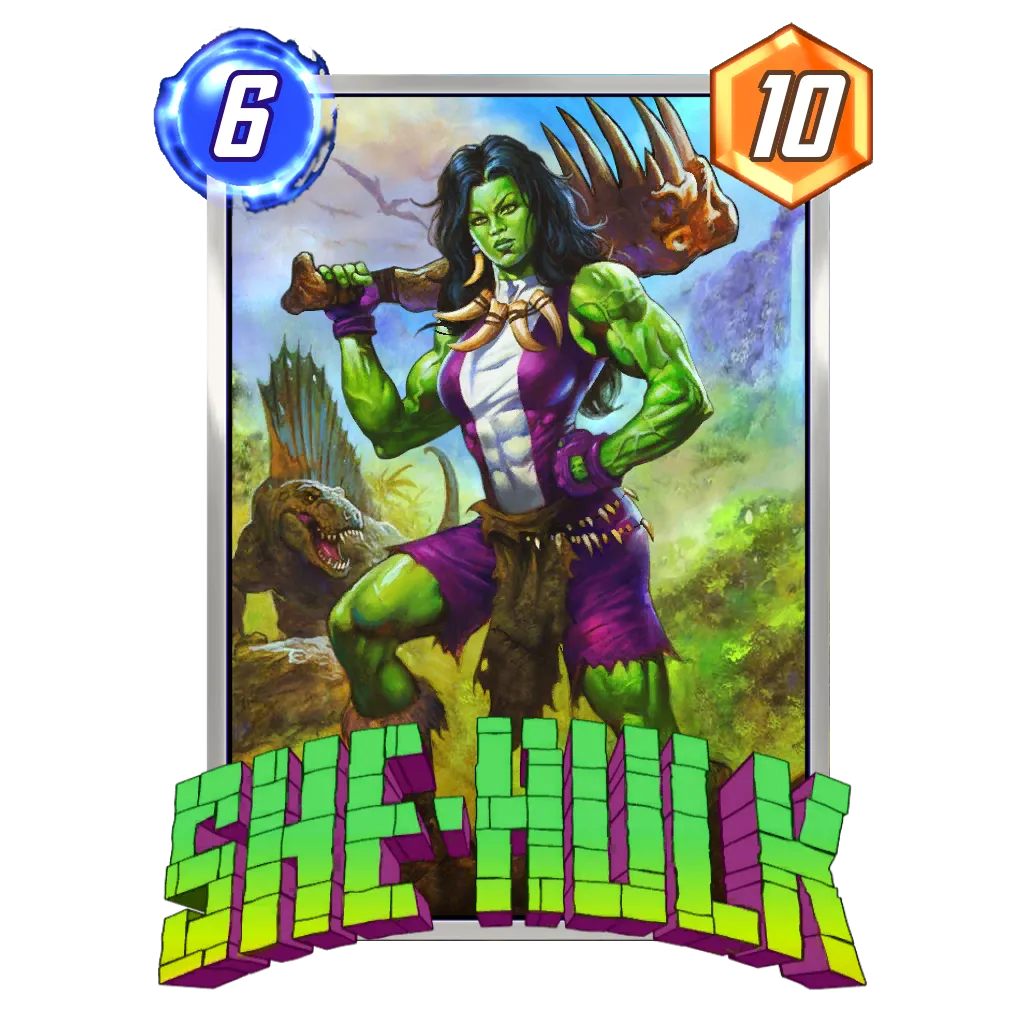
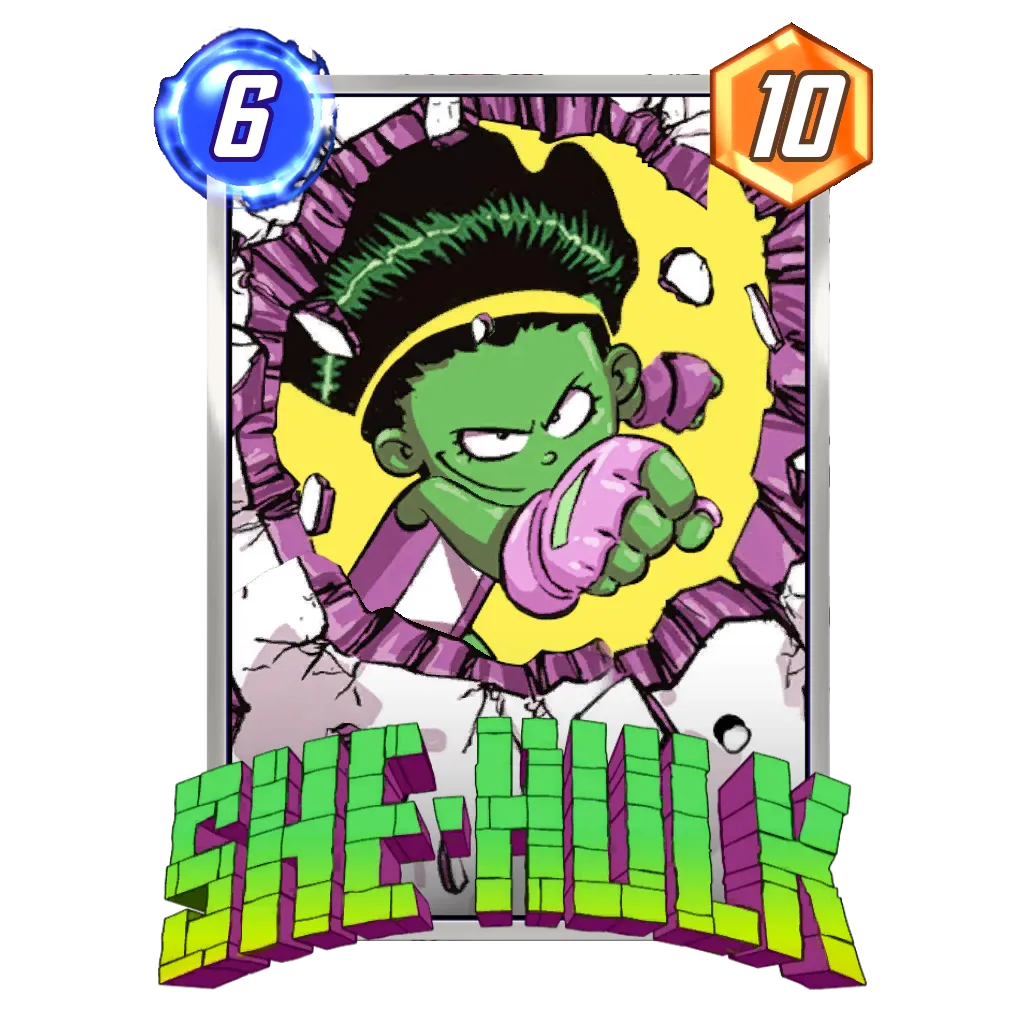
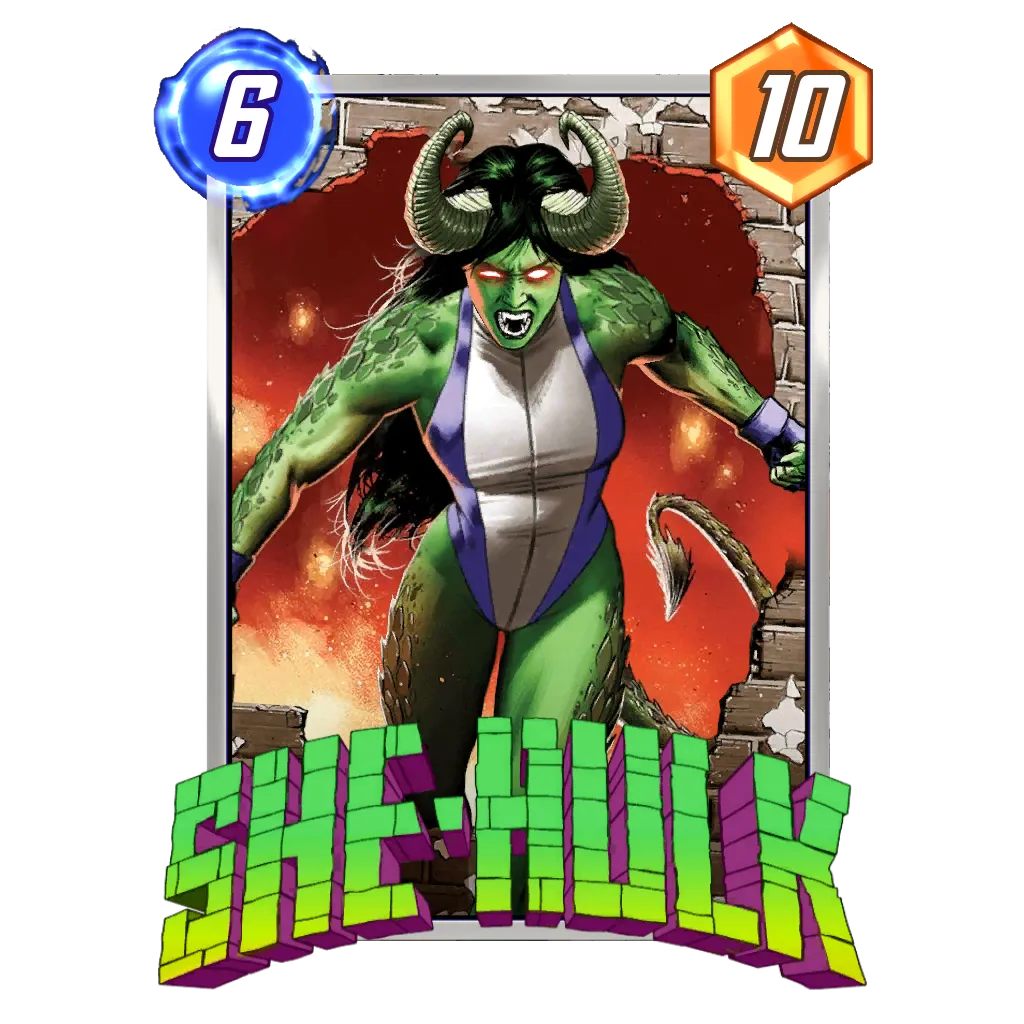
Next, we need to add some supporting cards to match our theme. Sunspot and She-Hulk directly benefit from skipping energy, so they would fit right in. We would also get more value from Abomination if there were more cards with negative Power, so let’s add Scorpion too.












 Decks with Scorpion













3 – The Tech
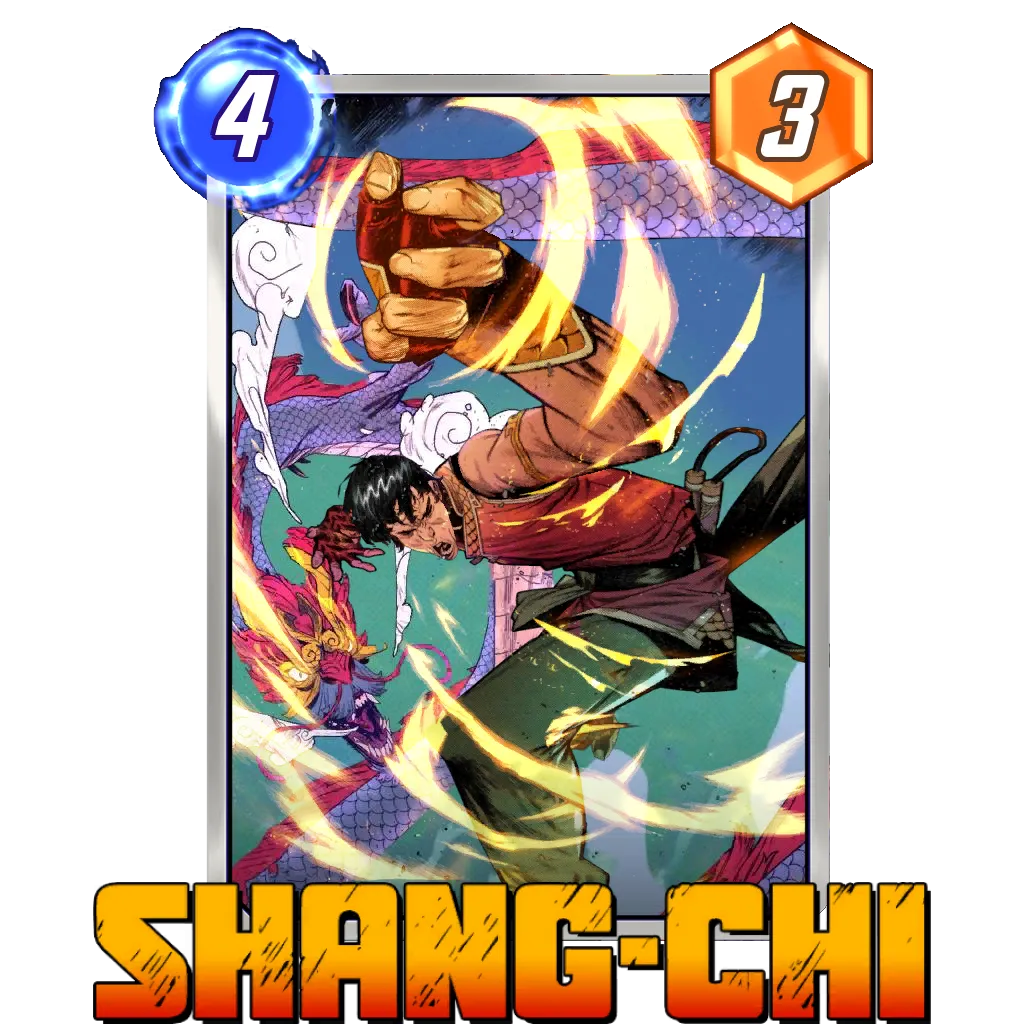
Now let’s see what tech cards would be helpful here. Remember, the best tech cards are ones that both benefit you and stop your opponent. Cosmo could work great here to protect vulnerable cards like Sunspot and Misty Knight. Armor could also work if you want to lower your curve. I’ve been seeing a lot of decks playing high Power cards lately, so let’s put in Shang-Chi to tech against that.





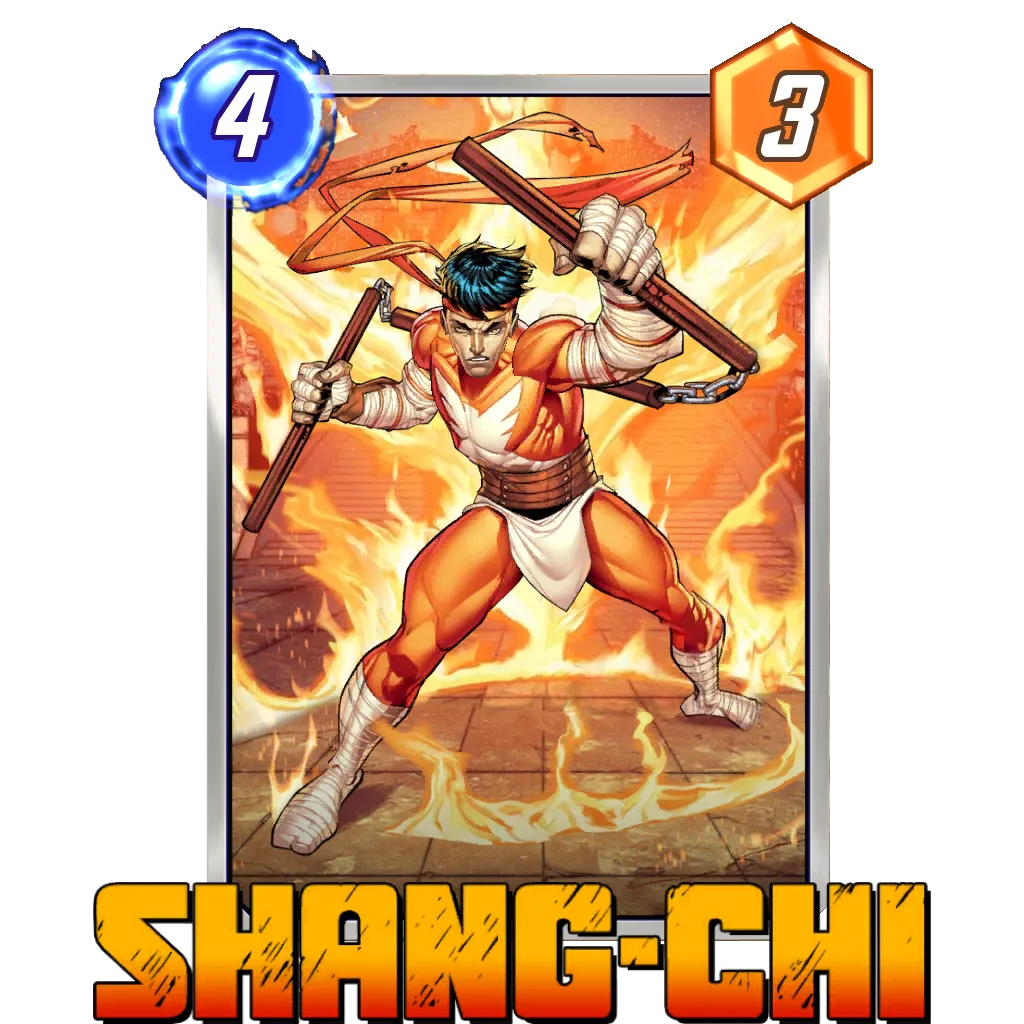


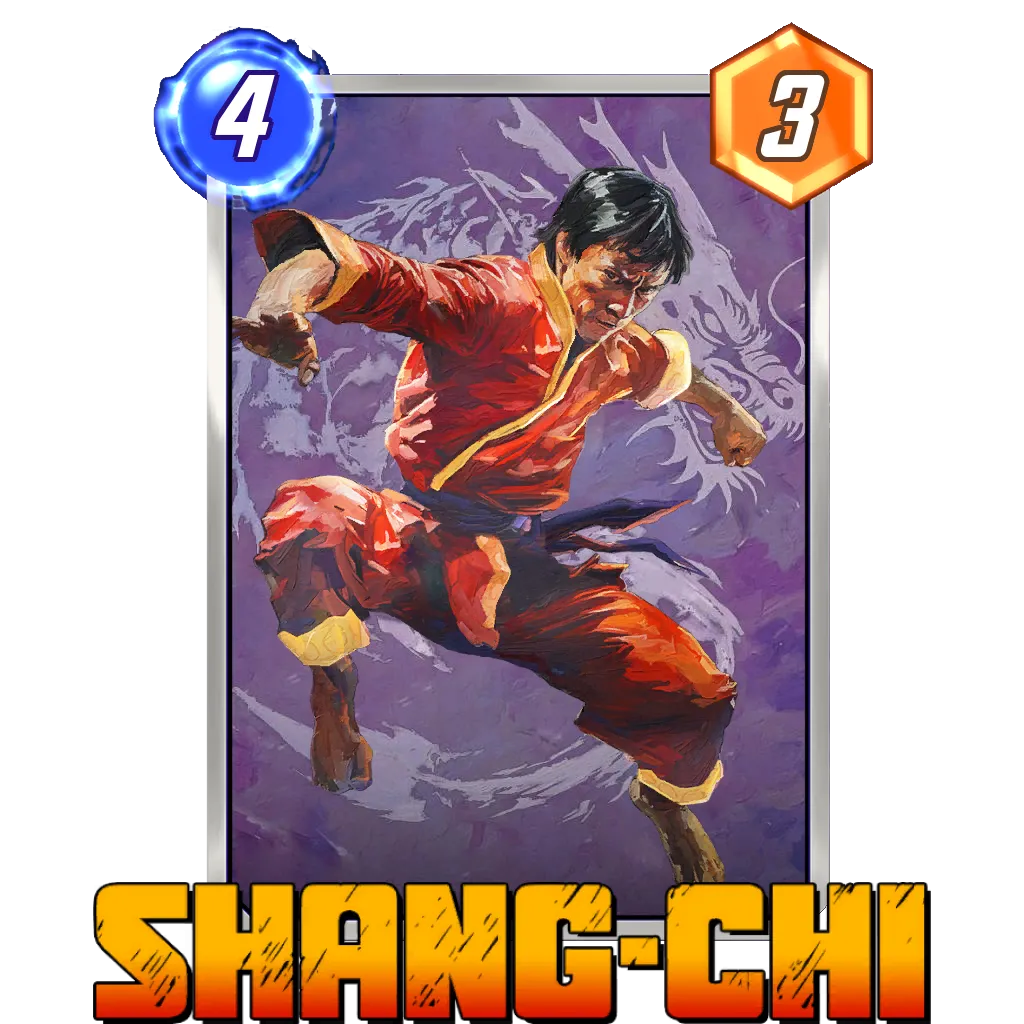


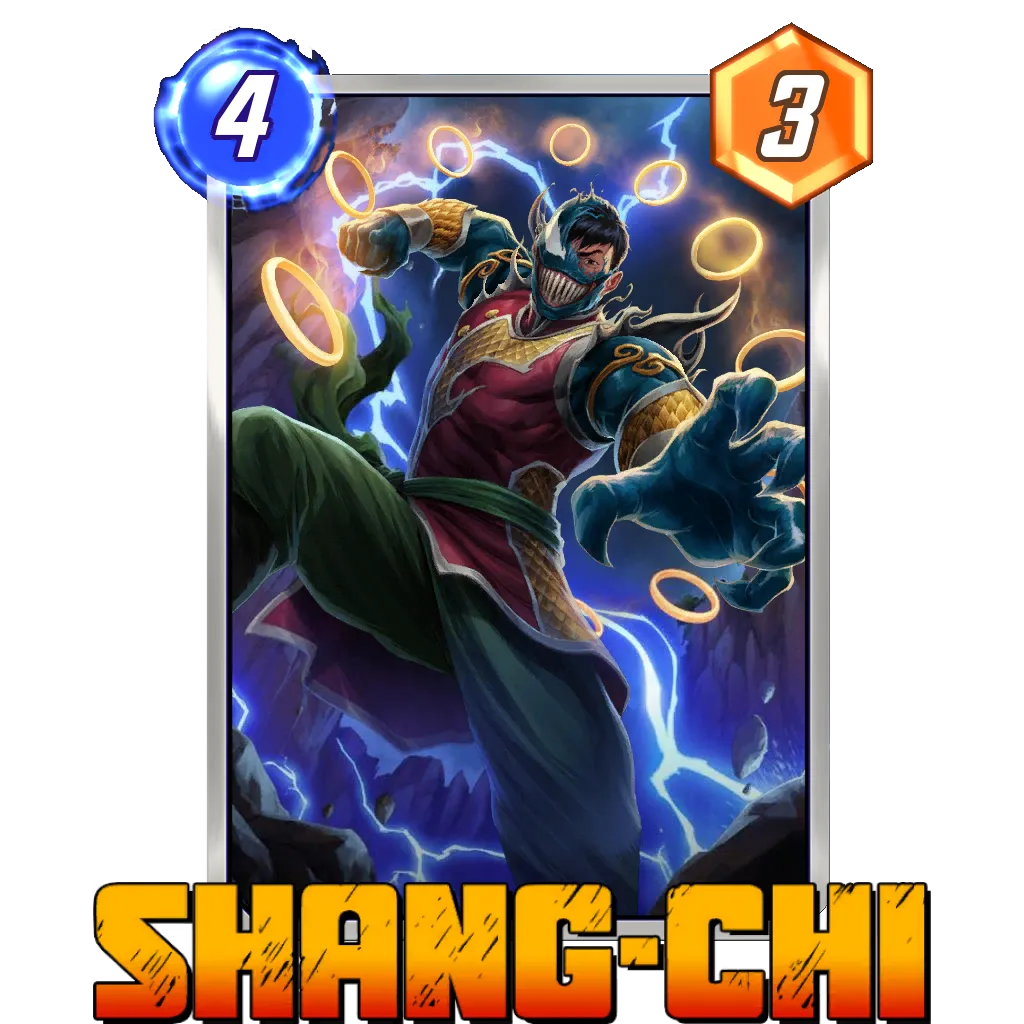
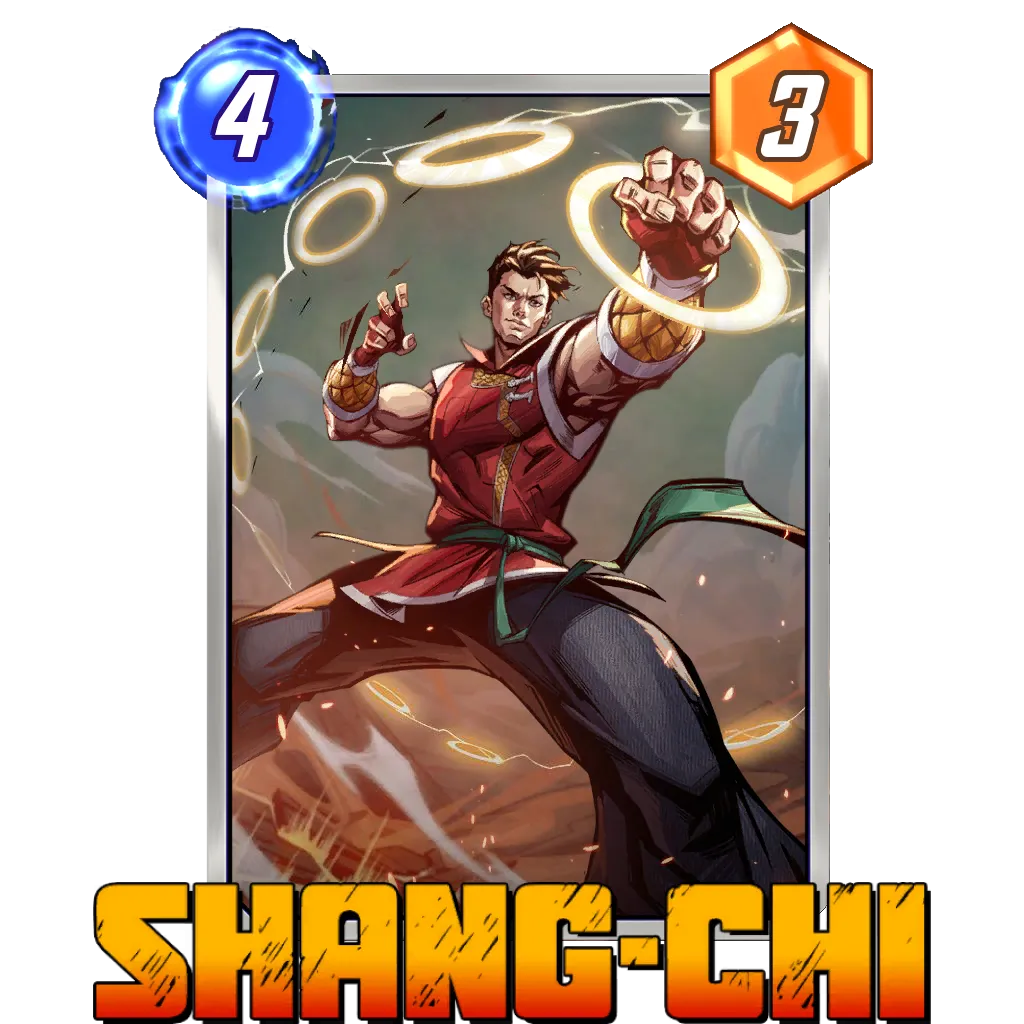



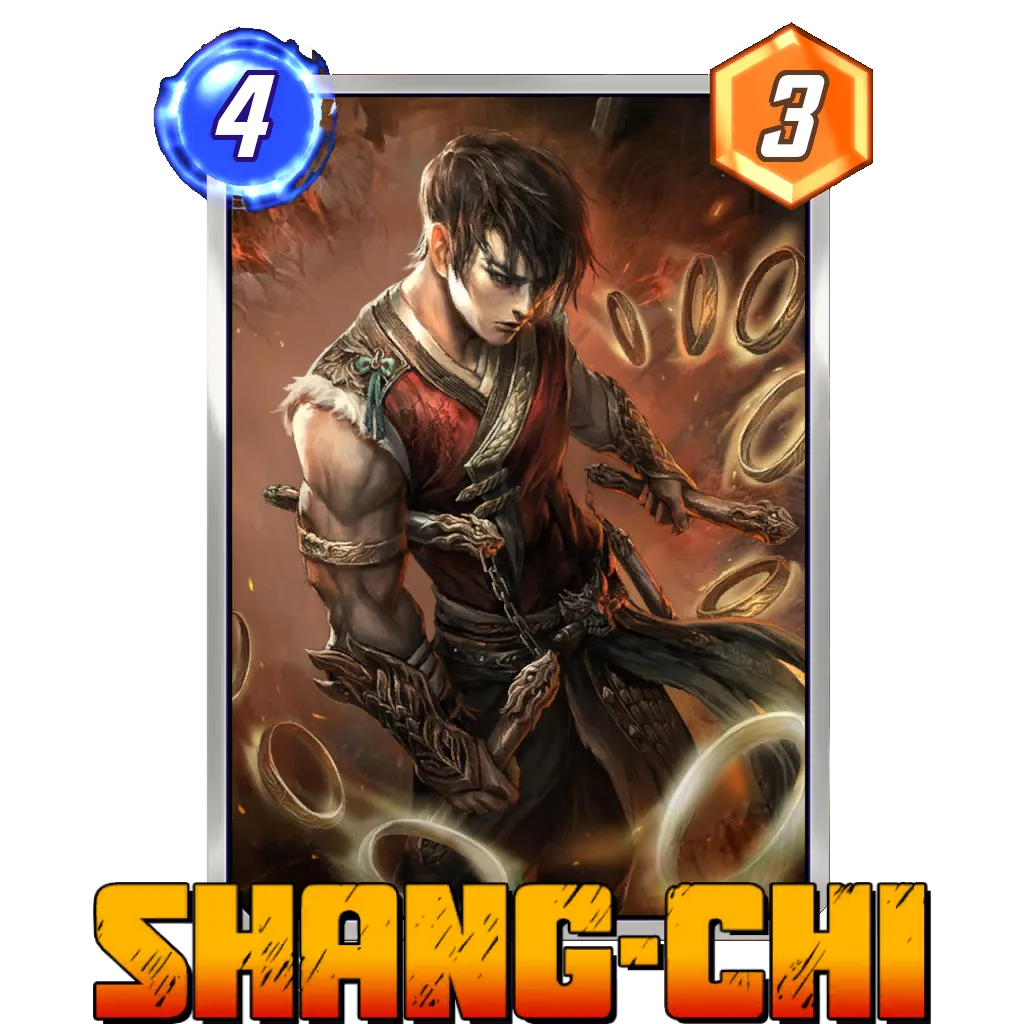

 Decks with Shang-Chi
4 – The Flex
With most of the deck complete, now is the time to insert our flex cards. Magik can extend the game by creating turn 7 with Limbo, which gives you extra energy to skip for your theme. She also gives you a way to interact with locations! Star-Lord: Master of the Sun gets benefit from having excess energy like our theme, so he could be a good way to set up an explosive turn 6!










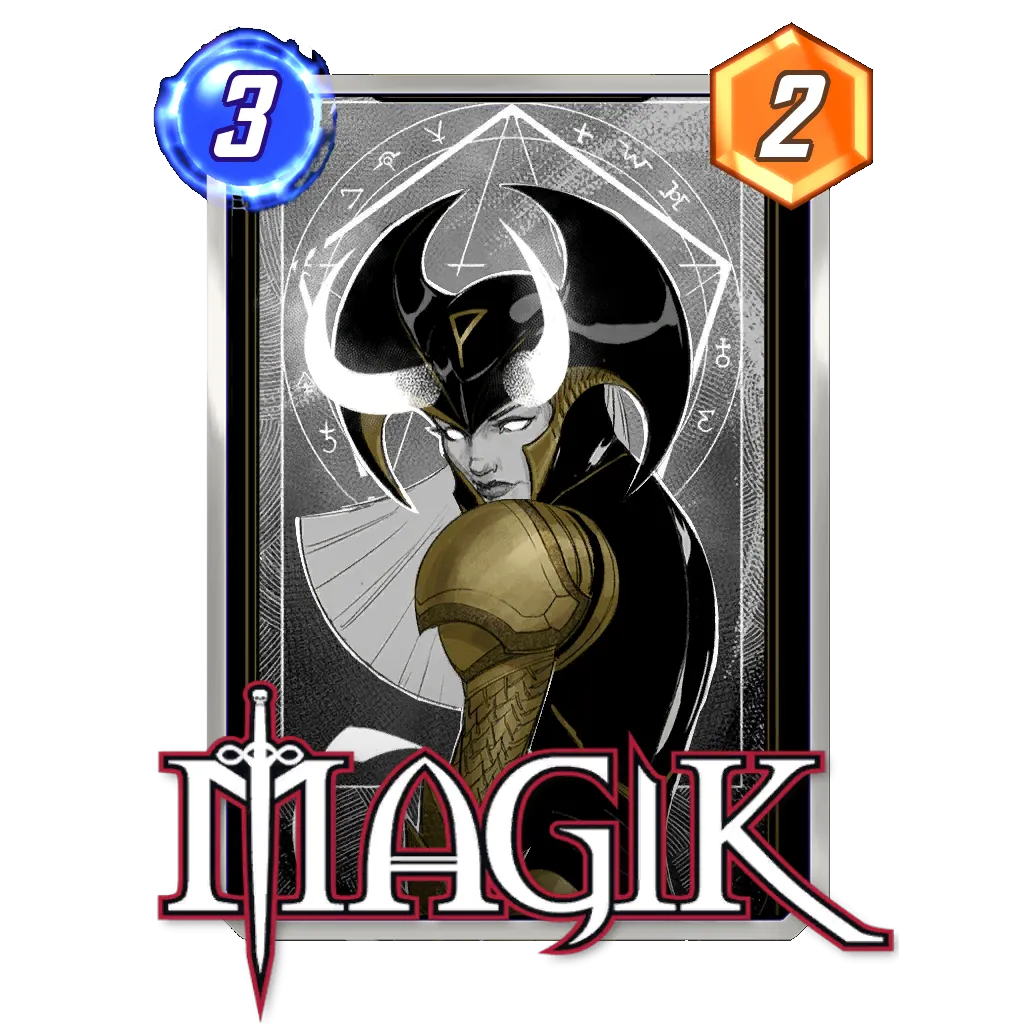




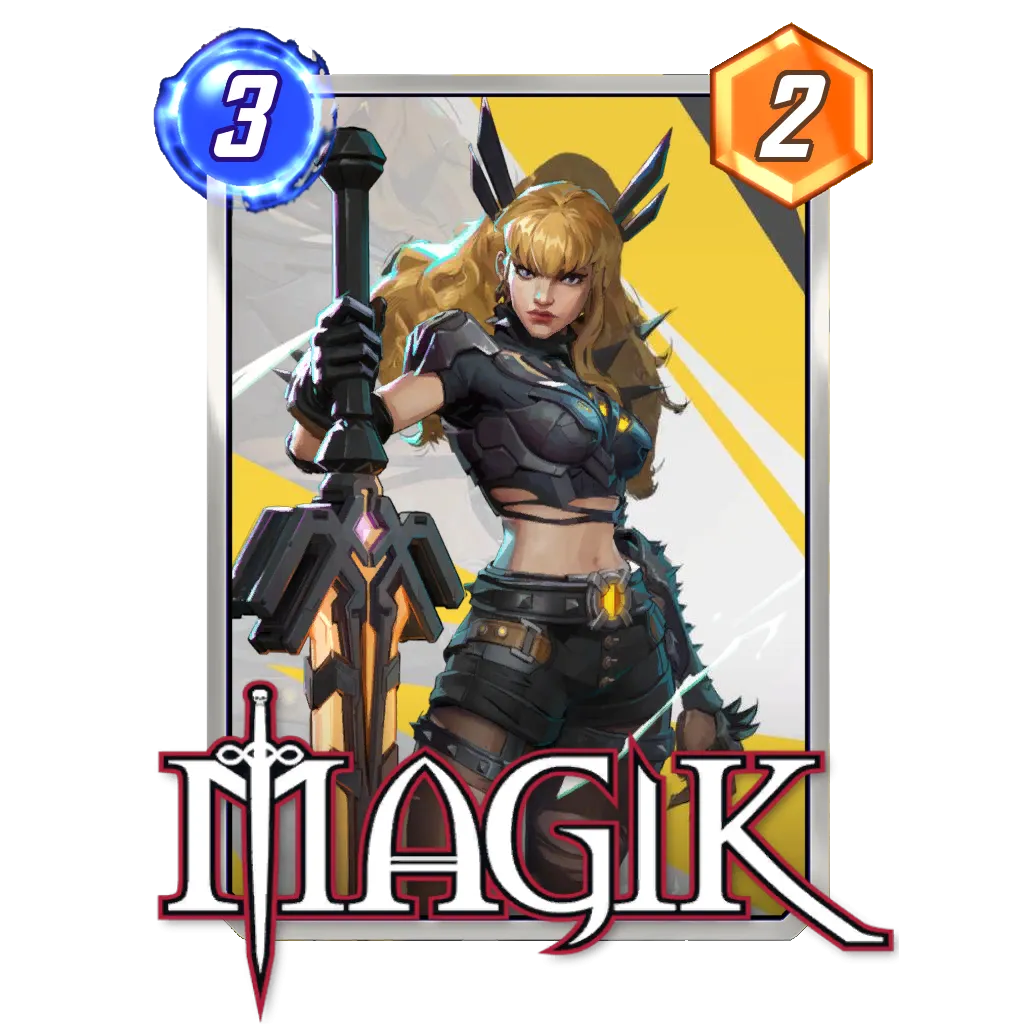
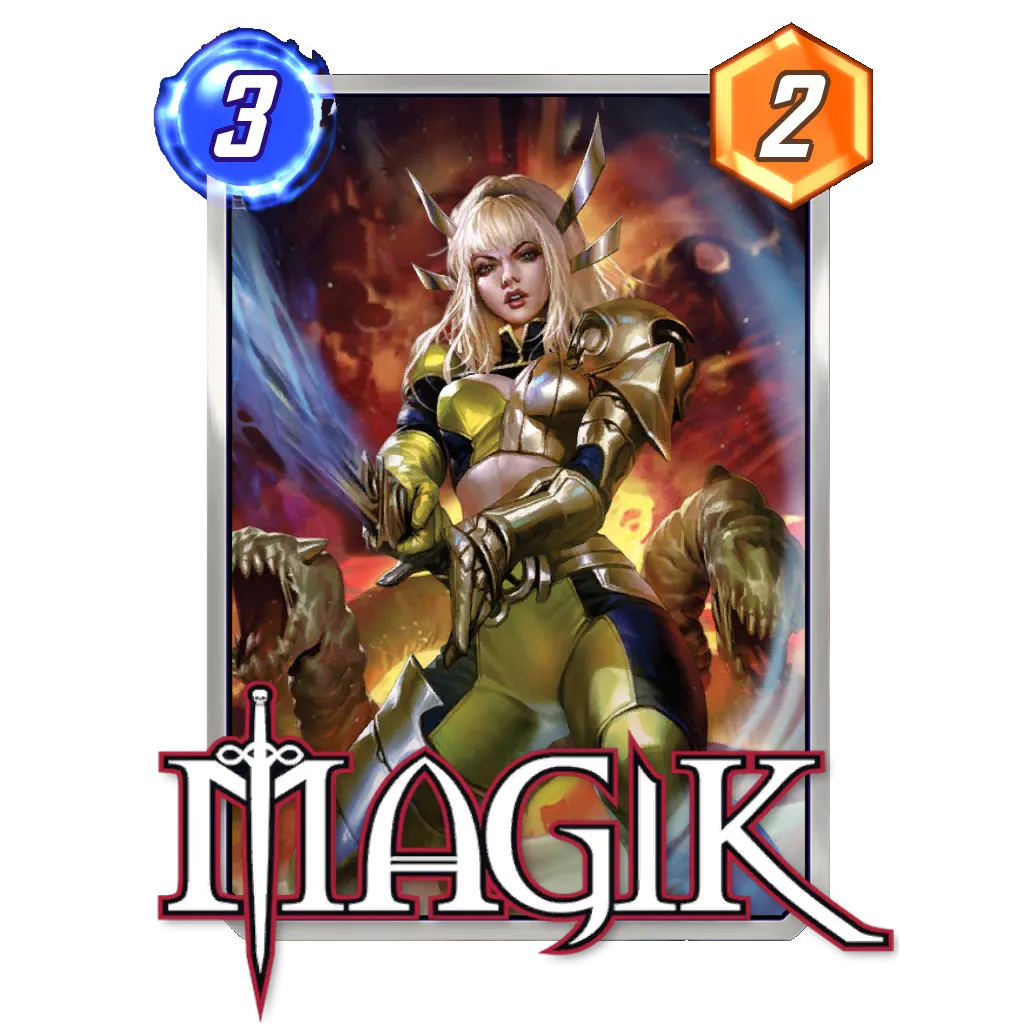





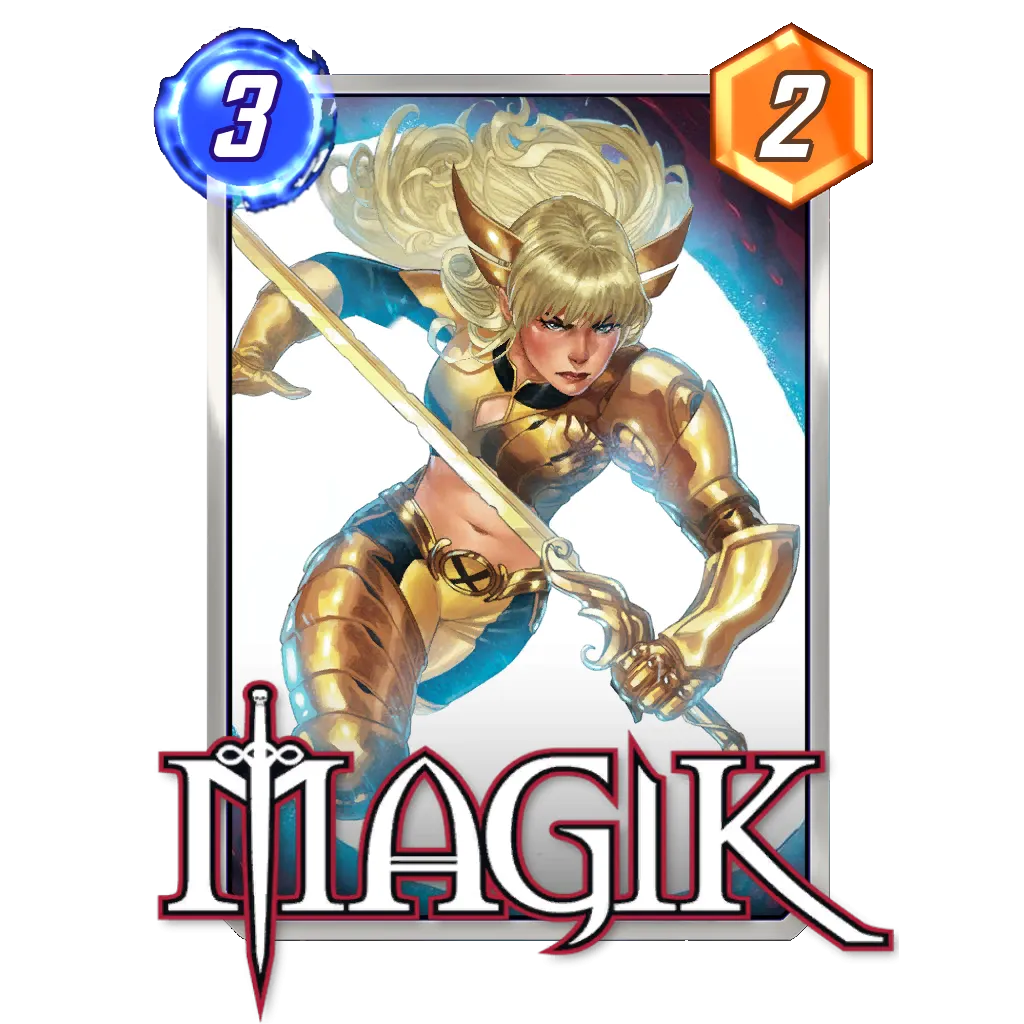


 Decks with Magik
Other good flex options here could be Infinaut since skipping turn 5 wouldn’t be bad for you. Nebula could also work well since she only Costs 1 and generates Power without needing to spend energy. You could even consider Hazmat to fill the board with negative Power, potentially lowering Abomination’s Cost to zero!








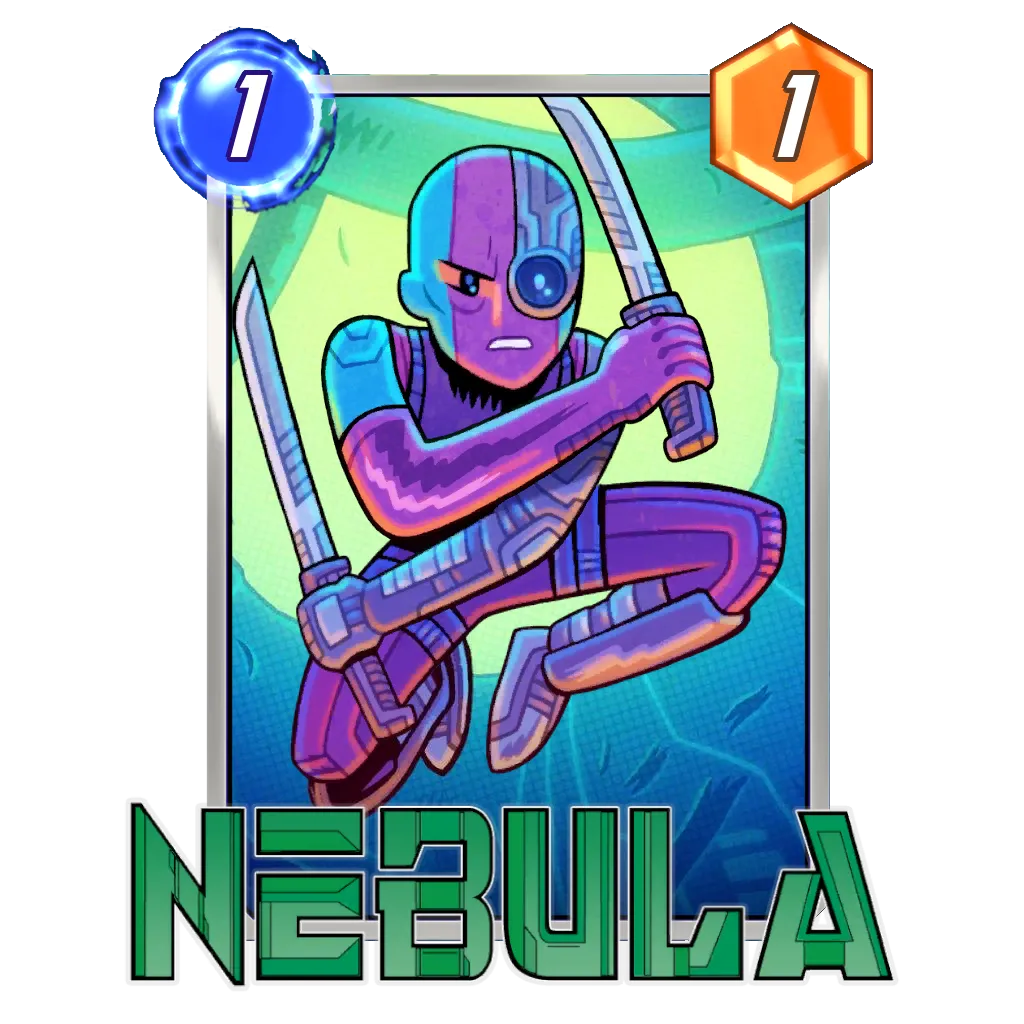






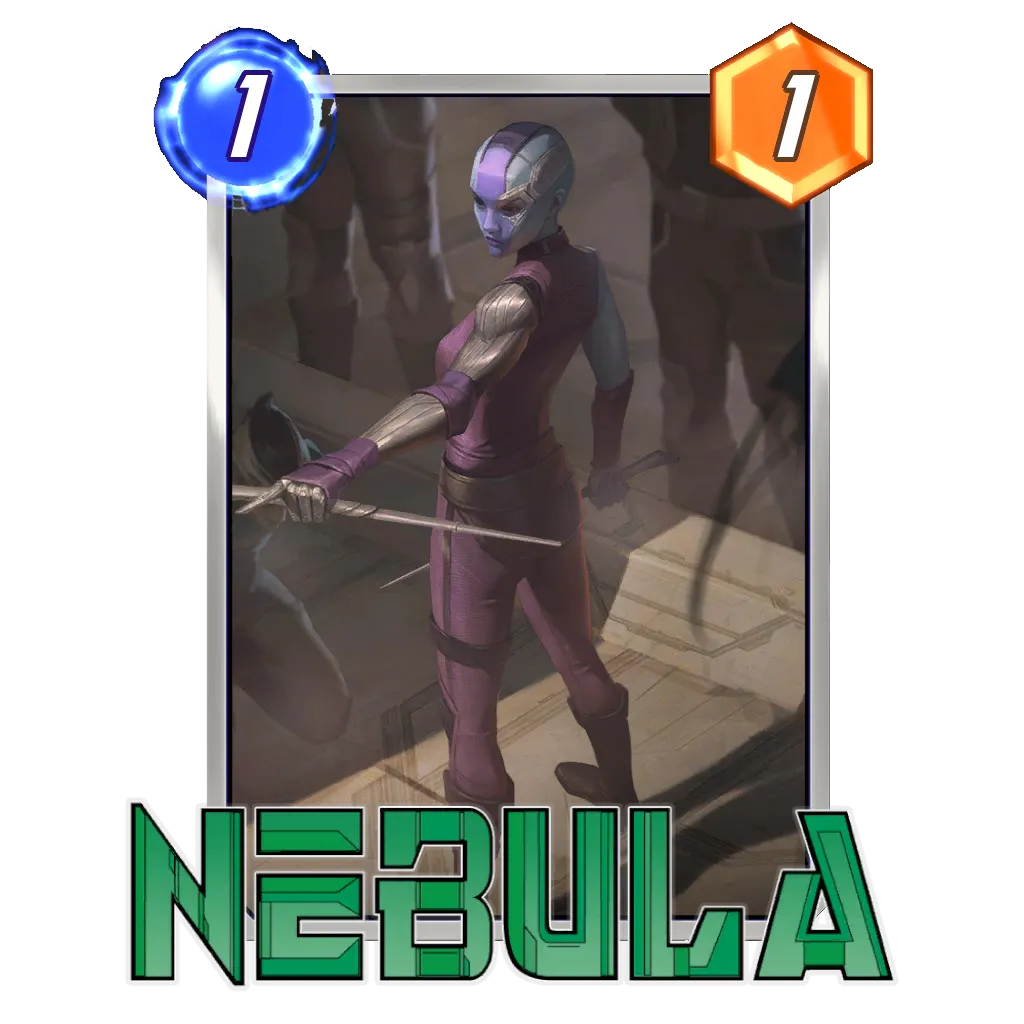


 Decks with Nebula
5 – Deck Testing
Now with our deck fully made, it’s time to test it out! If you aren’t sure if the deck is actually good, just play a few games! It takes practice to know what works and what doesn’t. The next section will dive into what to do after you have tested out your new deck!
 CanadianAlfredo


If you want to try this deck we made, copy it to your clipboard and paste it from the deck editing menu in MARVEL SNAP.
SGxrNCxDY2xwczcsU25zcHQ3LE1zdEtuZ2h0QixBYm1udG5CLFNjcnBuOCxTdHJscmRNc3RyT2ZUaFNuMTYsU2hIbGs3LENzbTUsTWdrNSxTaG5nQ2g4LEhnaEV2bHRucjEw
Refining Your Deck
When a deck isn’t working super well, you don’t have to scrap the idea and give up on your deck build! What you want to do is identify what the problem is, and then see what parts of your deck can be adjusted to fix those problems. Here are a few reasons you may encounter that cause you to swap a card.
Adapting to the Meta
Since Marvel Snap releases a new card every week, the meta is constantly changing! This means your deck may be unbeatable one week, then it may struggle the next week. Oftentimes, a slight change to your deck can make a huge impact on your ability to counter the meta!
For example: In the deck we made together, Mobius could be a good alternative to Shang-Chi if you are seeing a lot of Mister Negative decks. Plus, Mobius prevents your cards from Costing more, which helps you skip energy effectively! That one swap may give you better tech and higher value in your matches.



 Decks with Mobius M. Mobius
Underperforming Cards:
Sometimes you may want to swap out cards, even if the deck isn’t doing that bad! While you play matches, pay attention to cards you draw, but frequently never play. The card could be flex, tech, or even a win condition! If a card isn’t being played, you can oftentimes swap the card out with another option that can further increase your win rate.
Back to our deck we made, maybe Scorpion just isn’t giving us enough value like we hoped. He may not be doing bad necessarily, but let’s try another option. Bruce Banner can transform into Hulk if you skip energy, and he only Costs 2! This could generate us value in a different way, so we will swap Bruce for Scorpion.


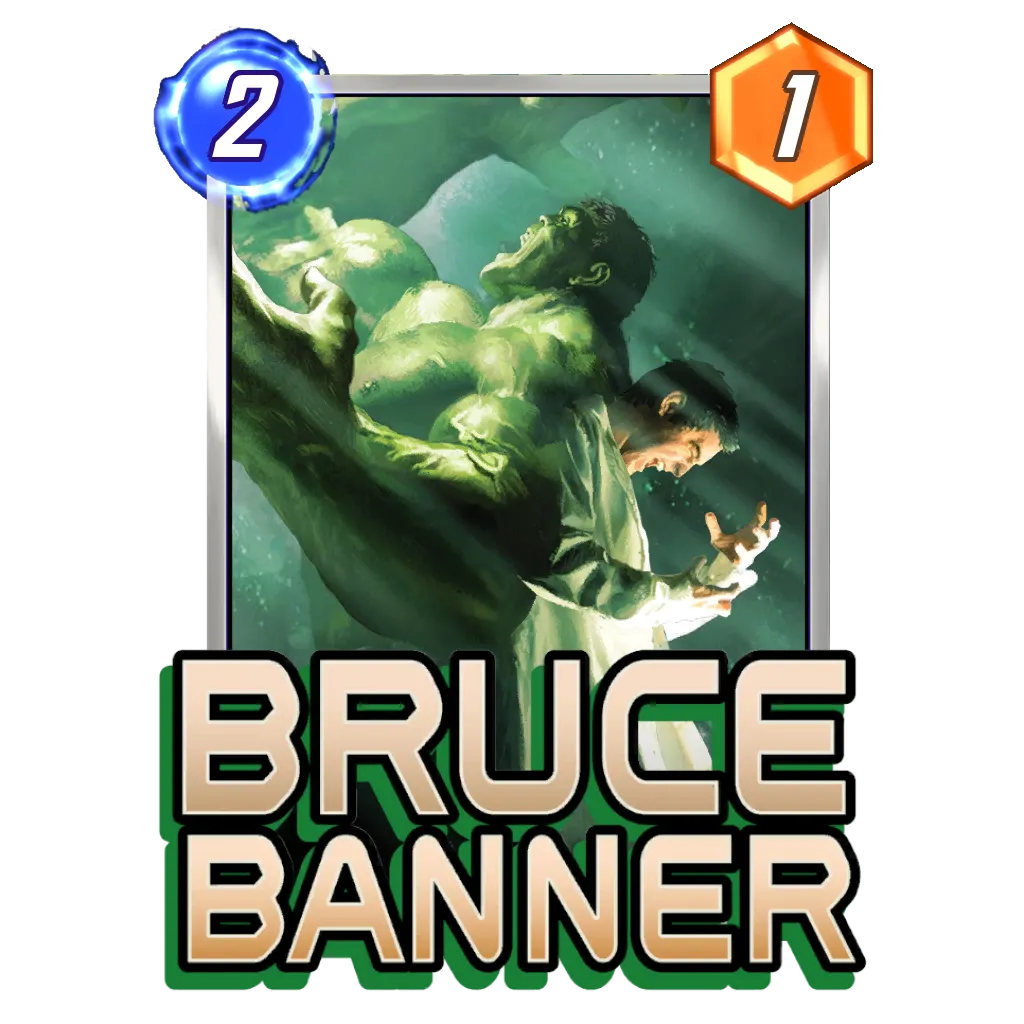


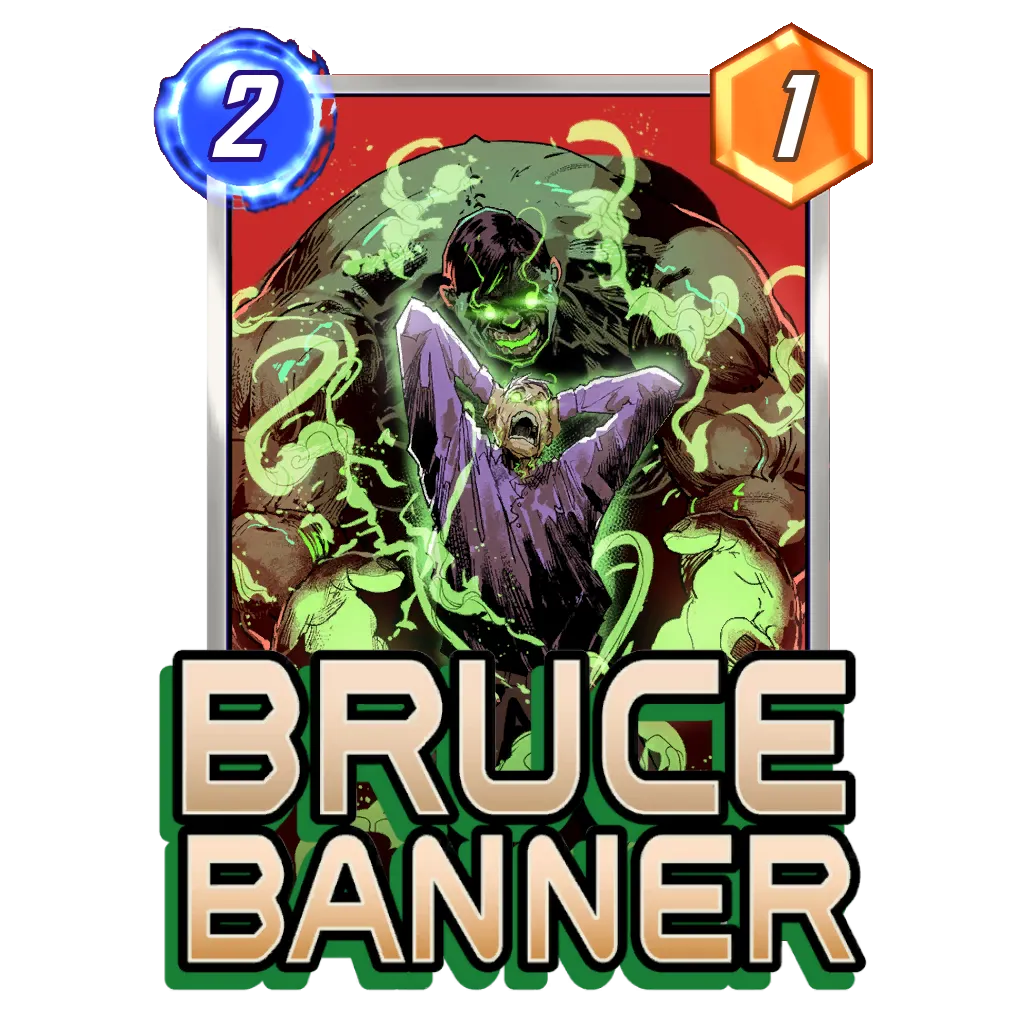
 Decks with Bruce Banner
Win Rate vs Cube Rate
A major factor that defines a deck’s success is the win rate and cube rate. Understanding the difference can help you identify what changes are needed in your deck.”Win Rate” is the ratio of wins to losses, where you want to see at least a 50% win to 50% loss ratio at a minimum. “Cube Rate” is the average amount of cubes you win in a game. If you have a high win rate with a low cube rate, your deck is very predictable but effective. If you have a low win rate but a high cube rate, you have a high risk/high reward deck that tends to win lots of 4 and 8 cube matches by surprising your opponent.
Both styles are completely viable, but you have to understand the kind of deck you have compared to what you want. If your deck is low on cubes but high on wins, see if one or more of your cards can be swapped to make your deck less predictable. If you have high cubes but low wins, see what cards aren’t being very effective and experiment with alternatives.
Summary
There you have it! All of the basics you need to understand how to properly build a deck in Marvel Snap. Just reference this guide while you build out your first few decks to make sure you get all of the key components included.
Oh! And I almost forgot the most important ingredient to any good deck: make sure you enjoy playing it! A “good” deck can perform well, but an enjoyable deck to you will always let you have a better time.
Best of luck to you in your deck building journey in Marvel Snap!



More Content