


Table of Contents
 den
den


After a 10-0 run, including some gruelling Swiss rounds and a single elimination top cut, Cougarrr took the win in Sunday’s Golden Gauntlet World Championship Series 3 Qualifier.
To do so, they used a flexible move deck, with many cards typically associated with Scream. Yet, the 2-cost was not a part of that deck, instead replaced with plenty of disruptive cards, typically the key in Conquest, as they allow controlling the Snaps and Retreats.
Core Synergy


 Decks with Batroc the Leaper


 Decks with Sam Wilson Captain America














 Decks with Silk

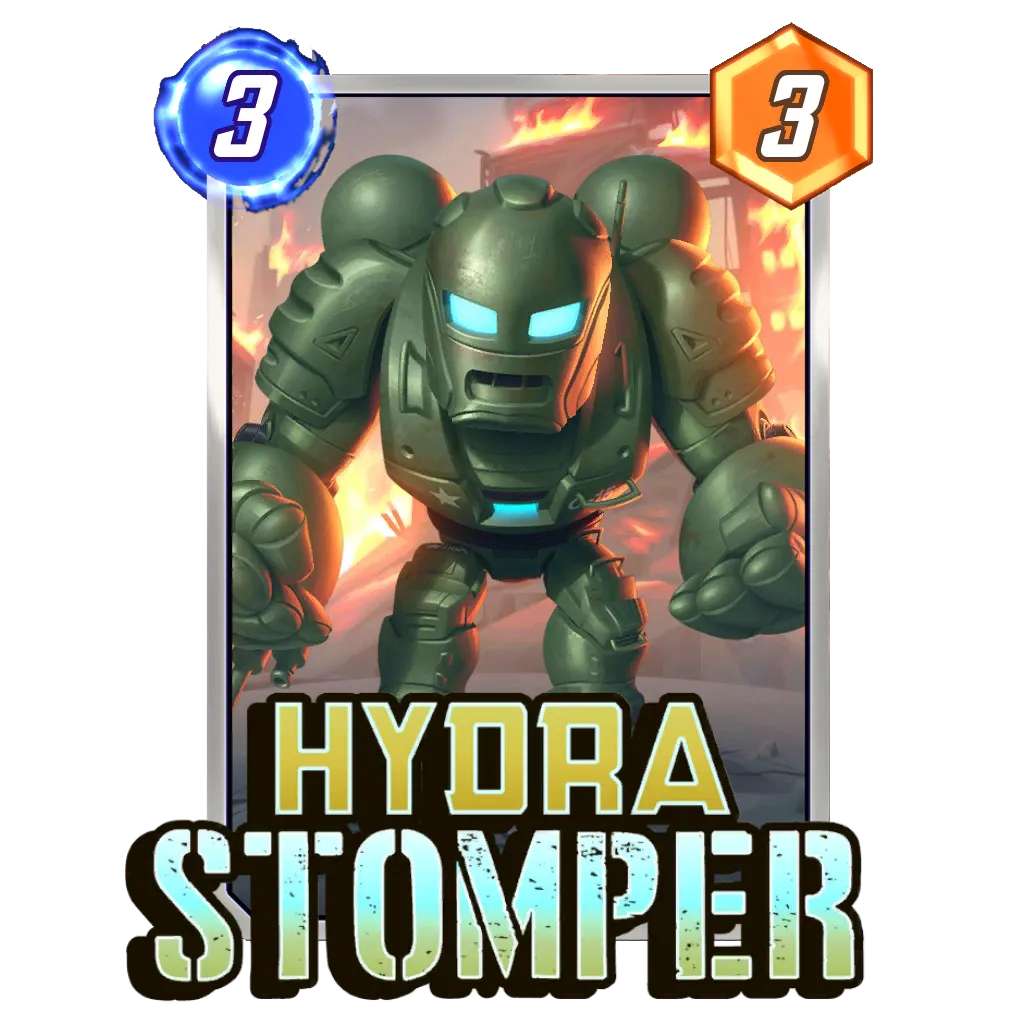


 Decks with Hydra Stomper


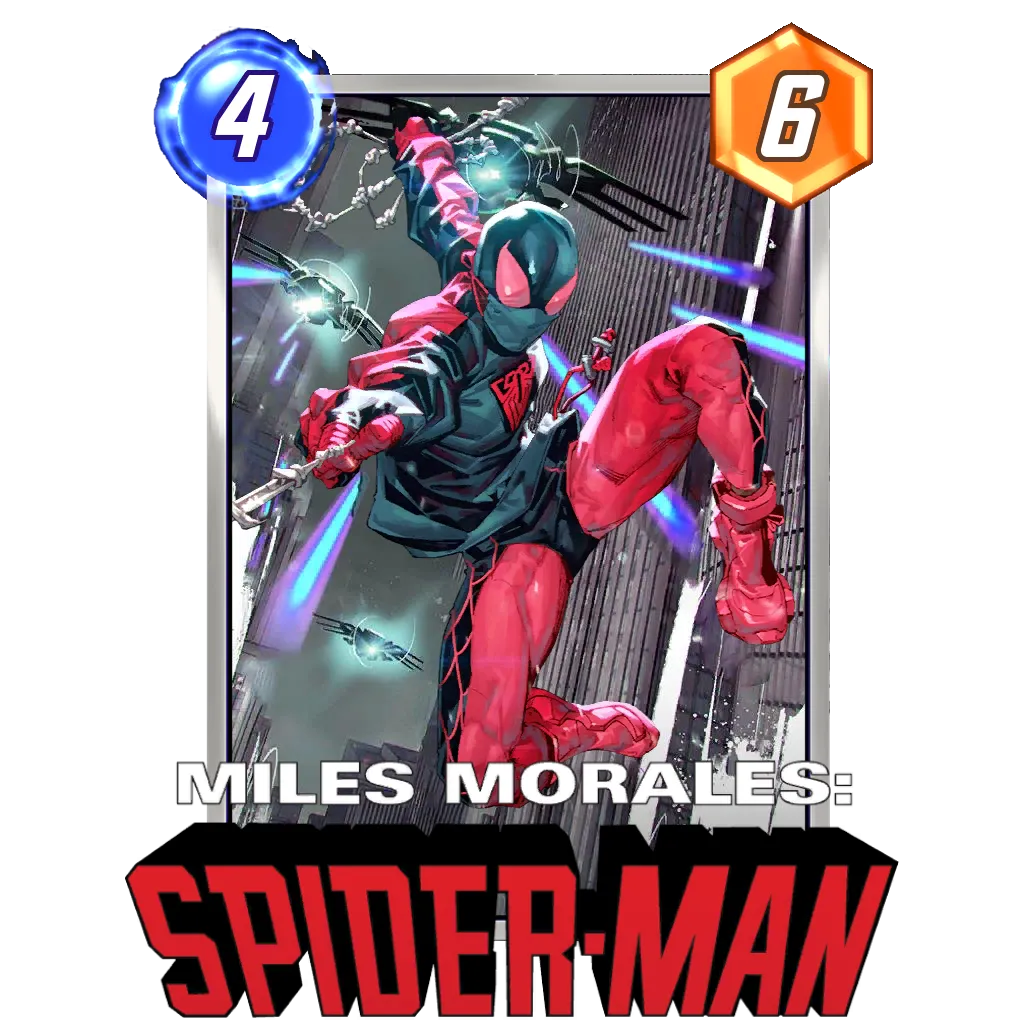
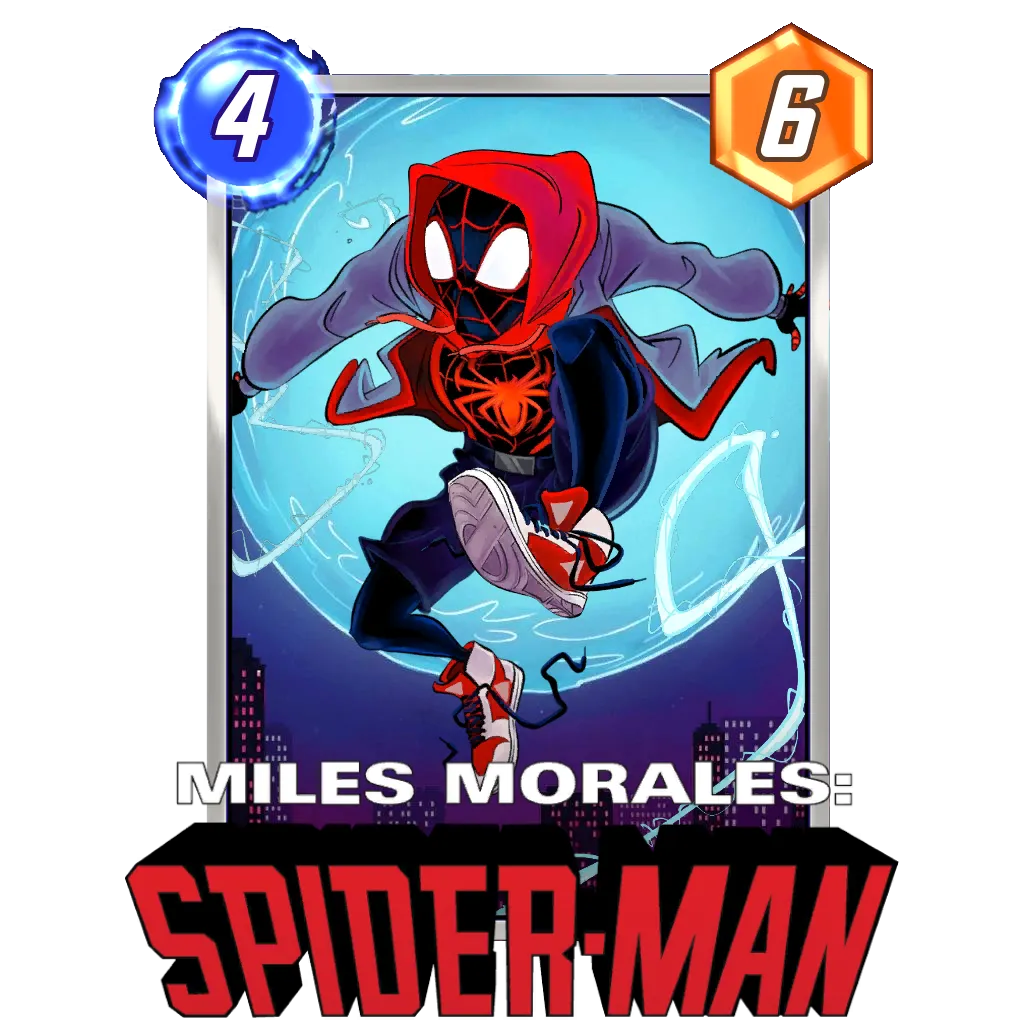
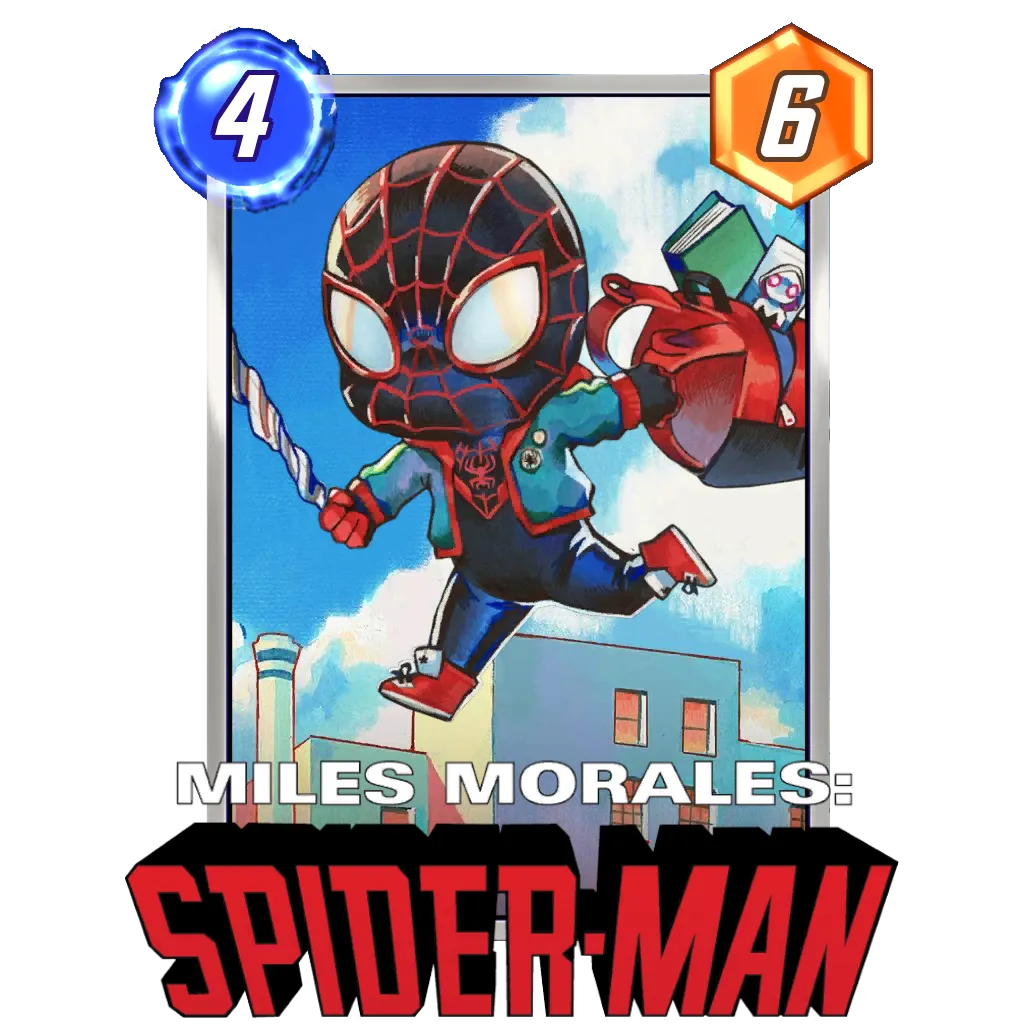










 Decks with Miles Morales Spider-Man
This package has been around for quite some time now. Arguably, this is far from the best way to develop points in Marvel Snap. However, Move cards don’t just develop cards, they also allow picking our locations until the very last turn.
In Conquest, this type of synergy can be very difficult to snap against, as Batroc the Leaper moves every turn, while Hydra Stomper is cheap enough to be played on turn six. Silk and Miles Morales also fit that logic, even if they don’t represent as many points.
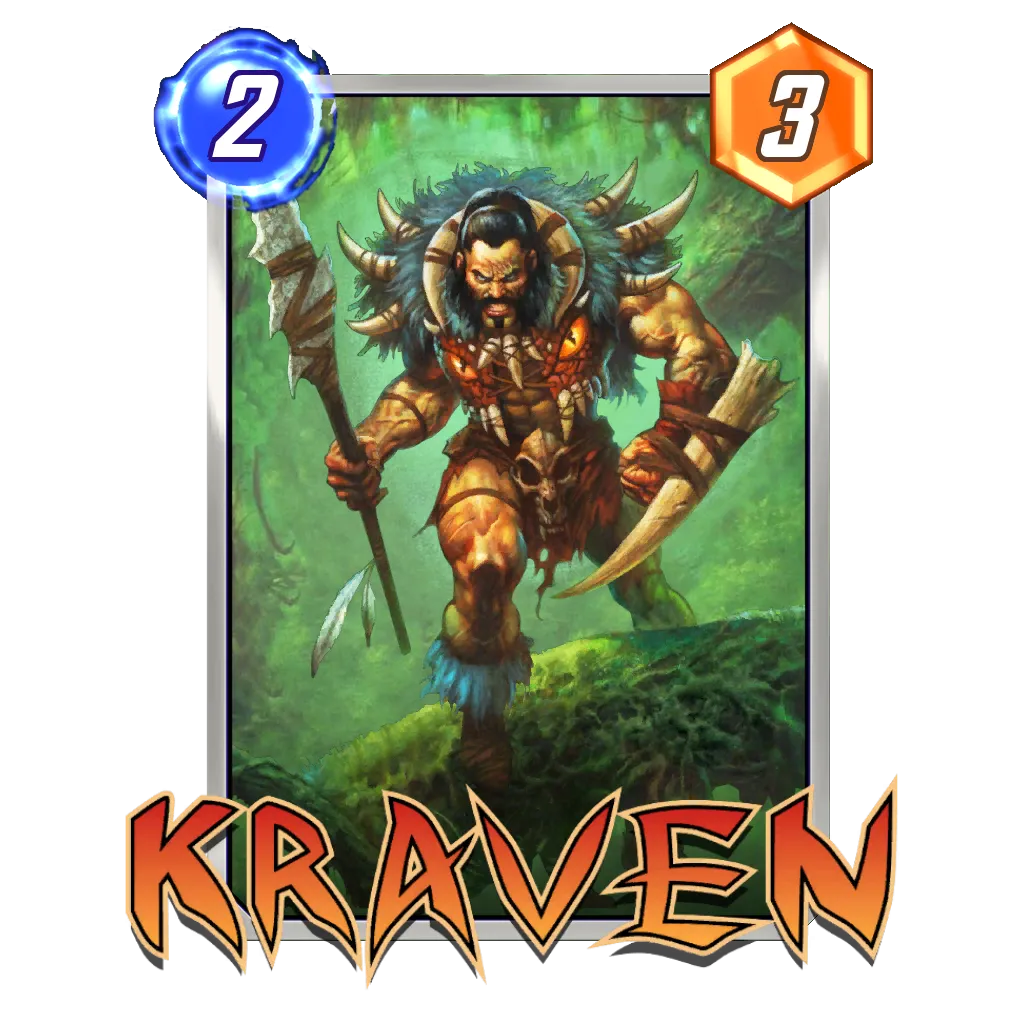
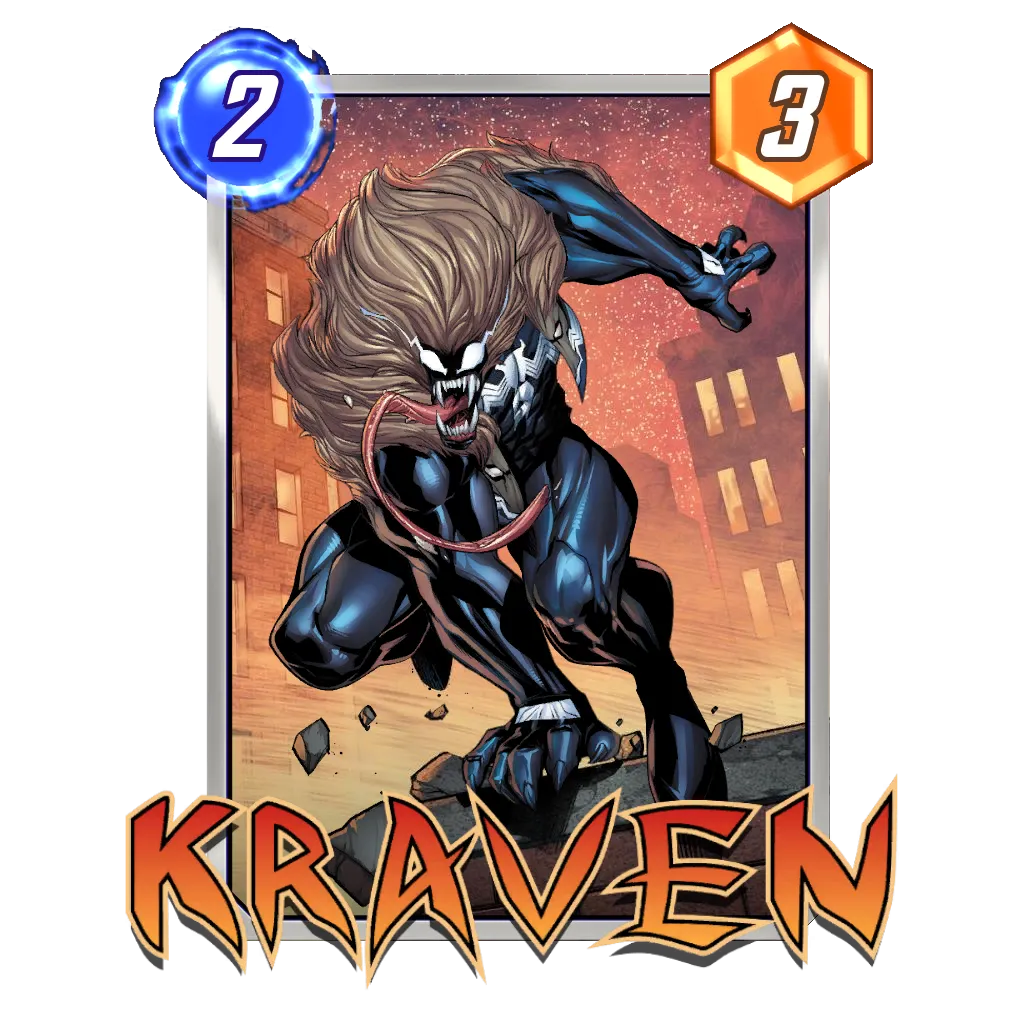
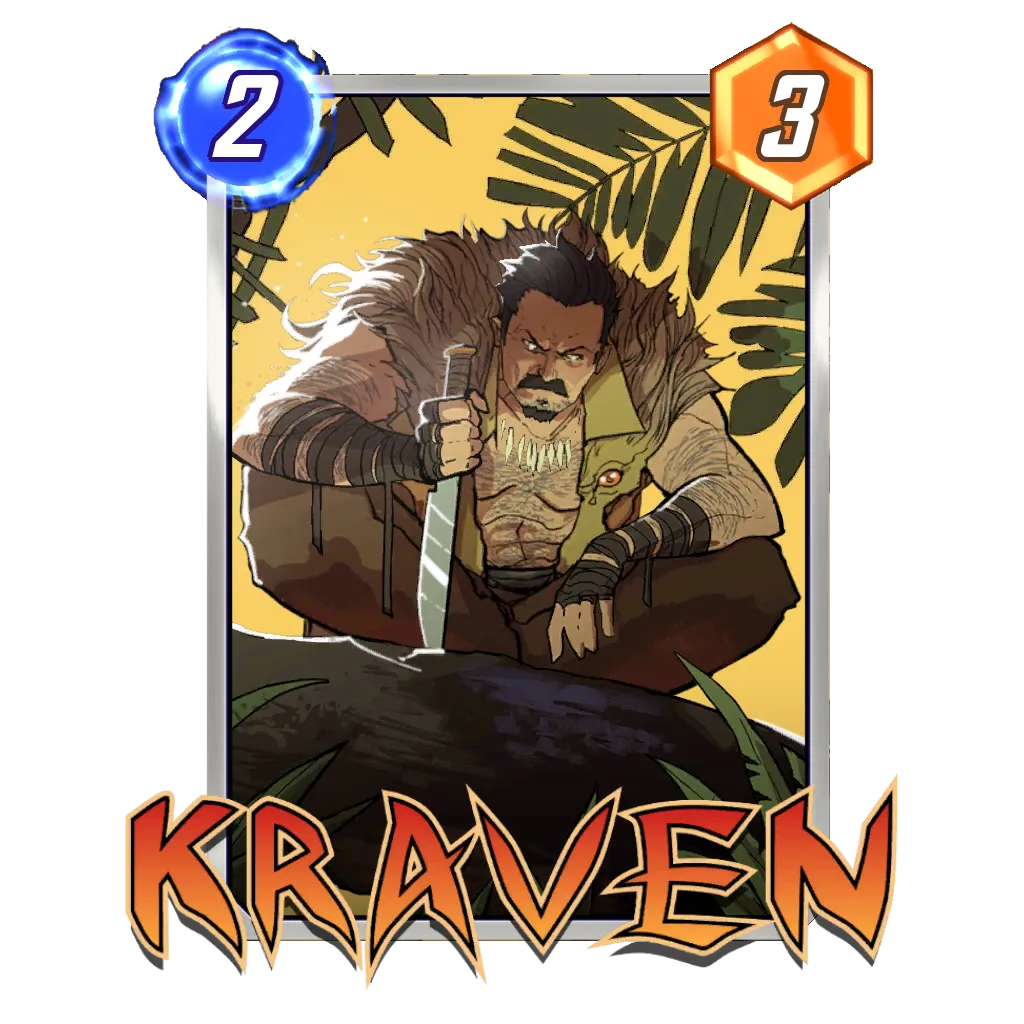
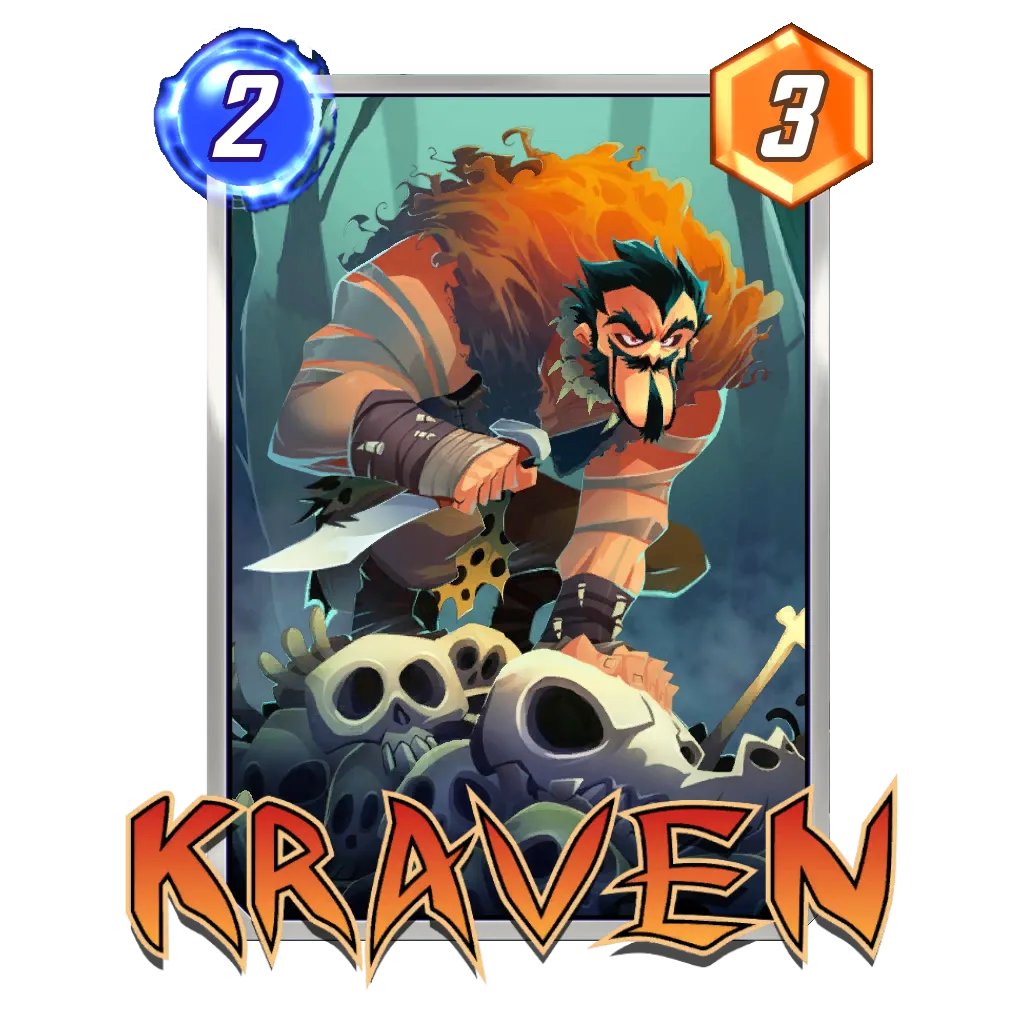
Then, even if Kraven and [Card name=”Sam Wilson Captain America”] will tip our opponent on locations they will have to fight for, we still have four flexible cards to adapt our points spread as the match progresses.
Of course, if this package would run into a Mister Negative or another archetype developing so many points it doesn’t really care about their placement, that flexibility would be useless. But the disruptive cards cover those situations.
Disruptive Cards


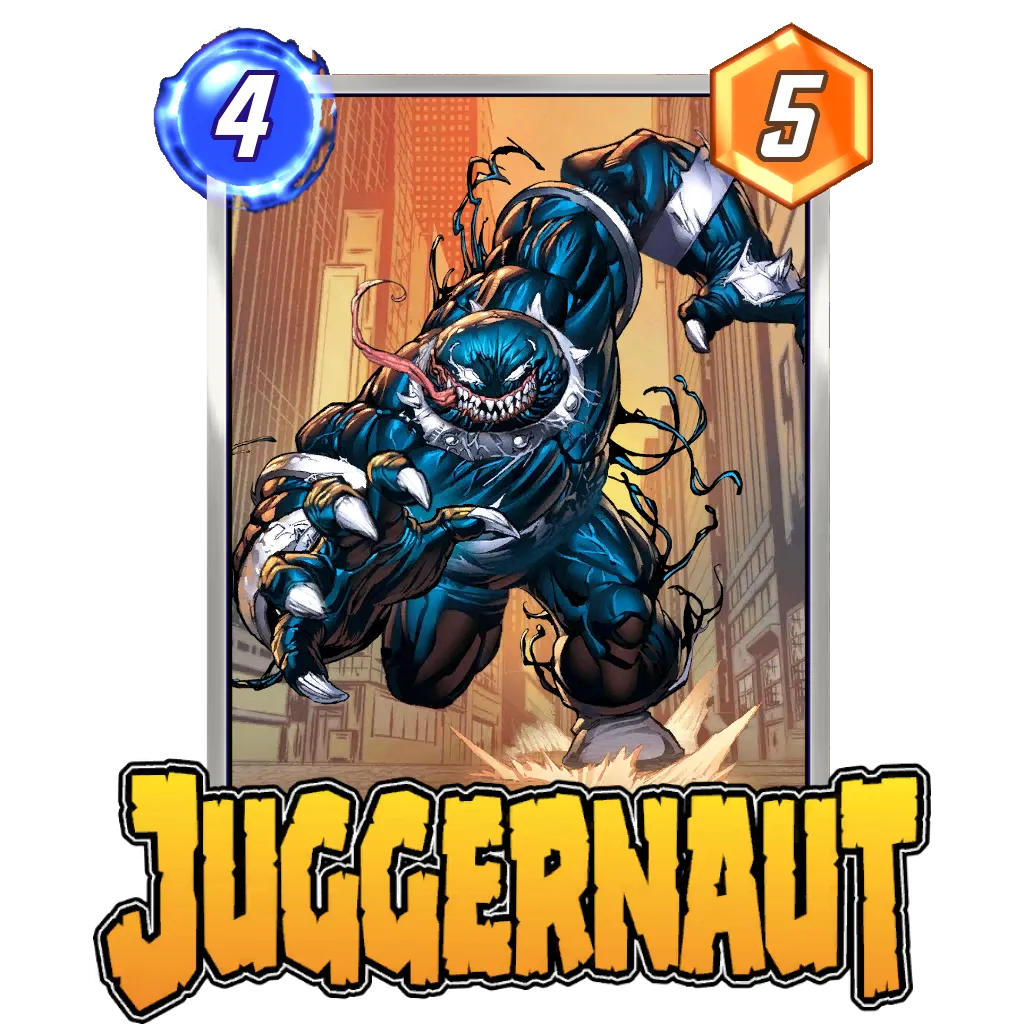


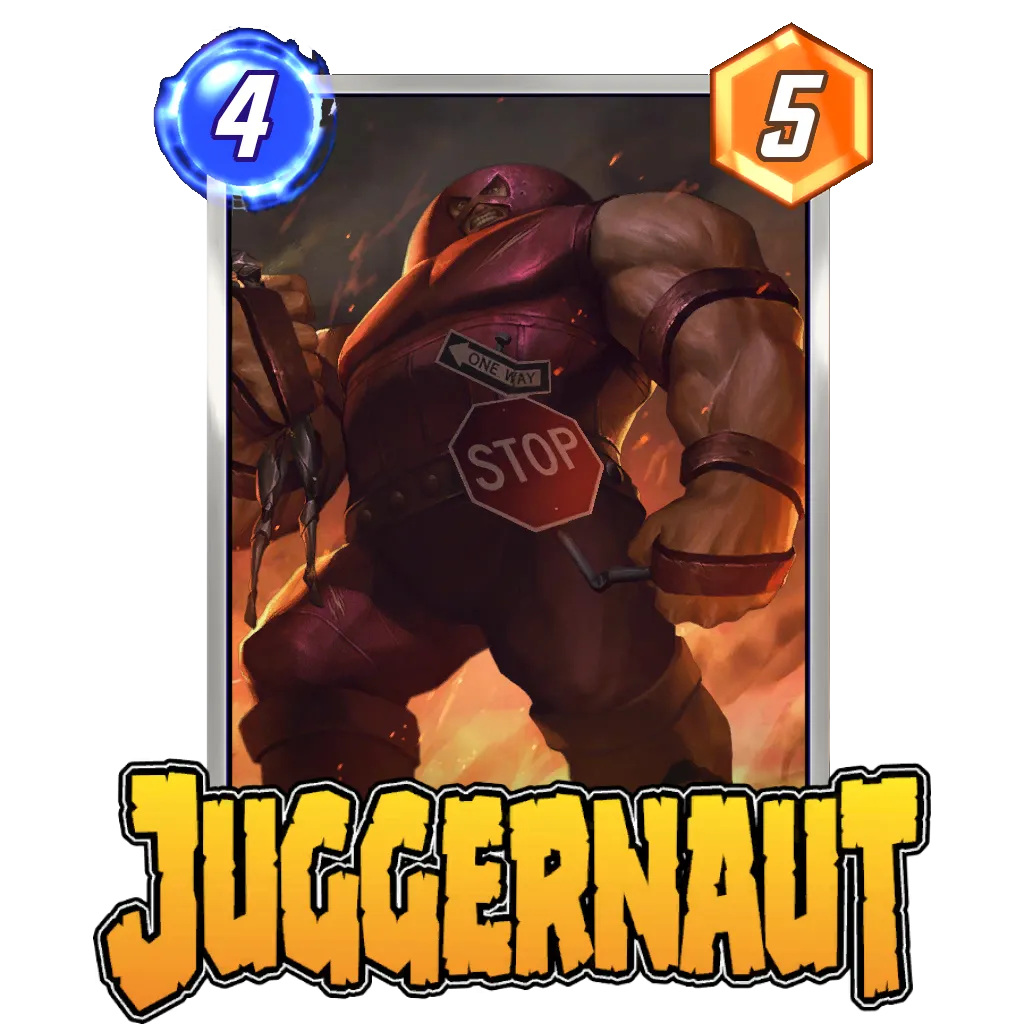
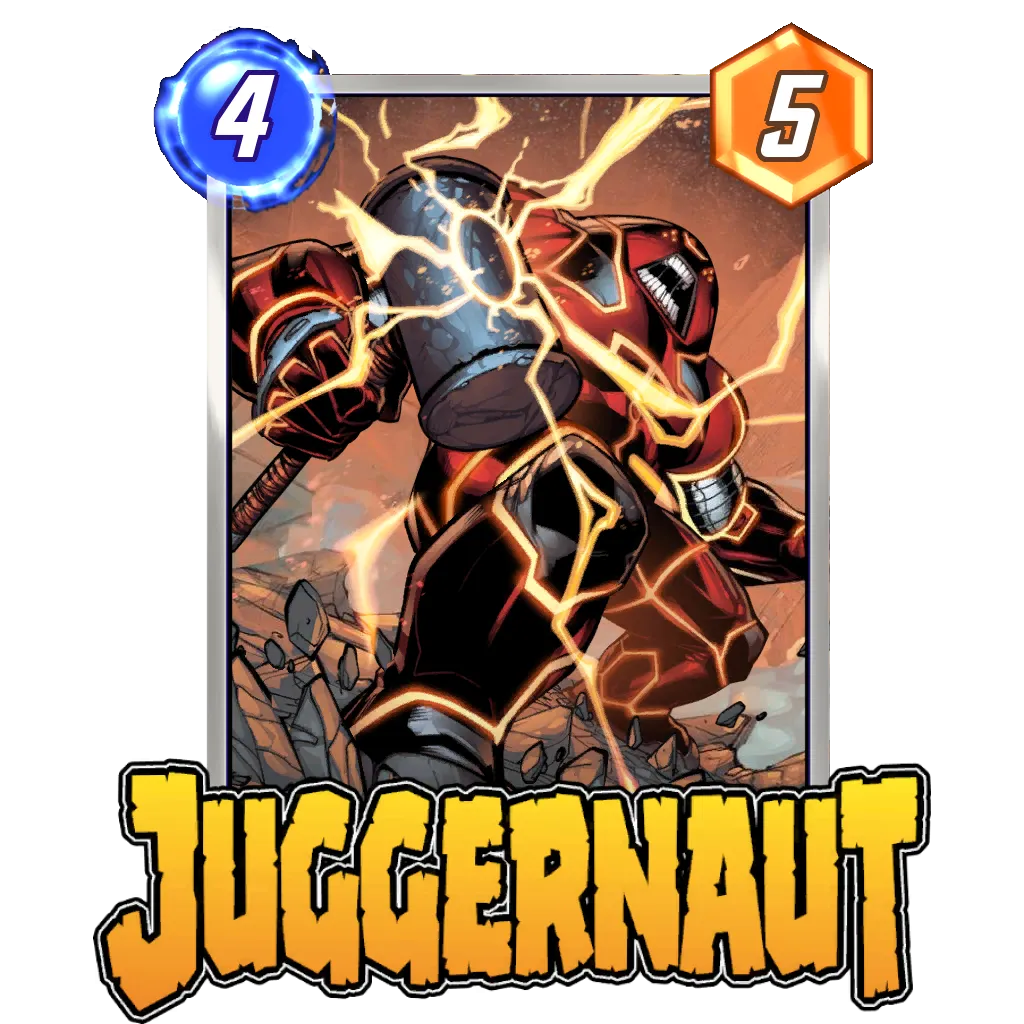


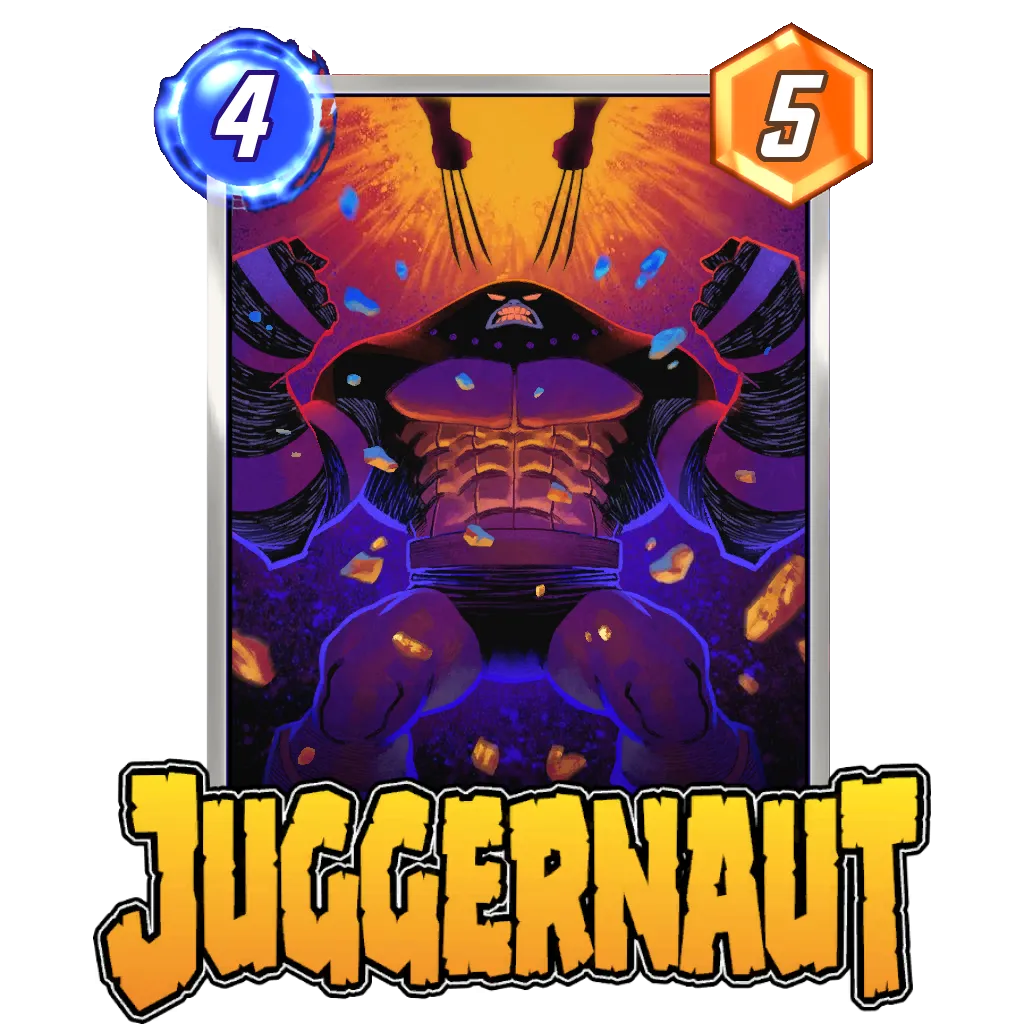


 Decks with Juggernaut
A great addition to many decks in order to disrupt your opponent’s positioning and sometimes win a lane on its own, Juggernaut also synergizes with Kraven and Miles Morales in this deck. It is typically one of the first inclusions into a flexible move deck due to this ability to be a dual threat.
Since it became a 4-cost, Juggernaut has been difficult to hold until turn six, as it can’t be paired with many cards any more. In this deck for example, Hydra Stomper would have been a great partner. As such, Juggernaut has been used during the course of a match more often, which makes its synergy with other cards much more important.








 Decks with Cannonball
Another disruptive duo with ties to the Move synergy, Mercury and Cannonball are strong enough to win a lane on the back of their ideal combination, but can serve separately thanks to their synergy with our core package.
Just like Juggernaut, Cannonball will discount Miles Morales and sometimes buff Kraven. At times, Kraven can grow big enough to be able to beat the card Cannonball sends its way. Batroc the Leaper can also follow that card around to make sure Cannonball doesn’t just change the location we are losing.
As for Mercury, she is a move card itself which already synergizes with multiple cards in the deck. More importantly, she is a Move decks killer, which can sometimes earn you a free win, always a welcome gift in a tournament.




 Decks with Mobius M. Mobius
“Of course, if this package would run into a Mister Negative or another archetype developing so many points it doesn’t really care about their placement, that flexibility would be useless.”
This is exactly why Mobius M. Mobius is so important in this type of deck, the 3-cost single-handedly shuts down a lot of decks that would otherwise be a terrible match-up. When playing ranked, we can give those decks a cube and move on, but that is not an option in a tournament setup.




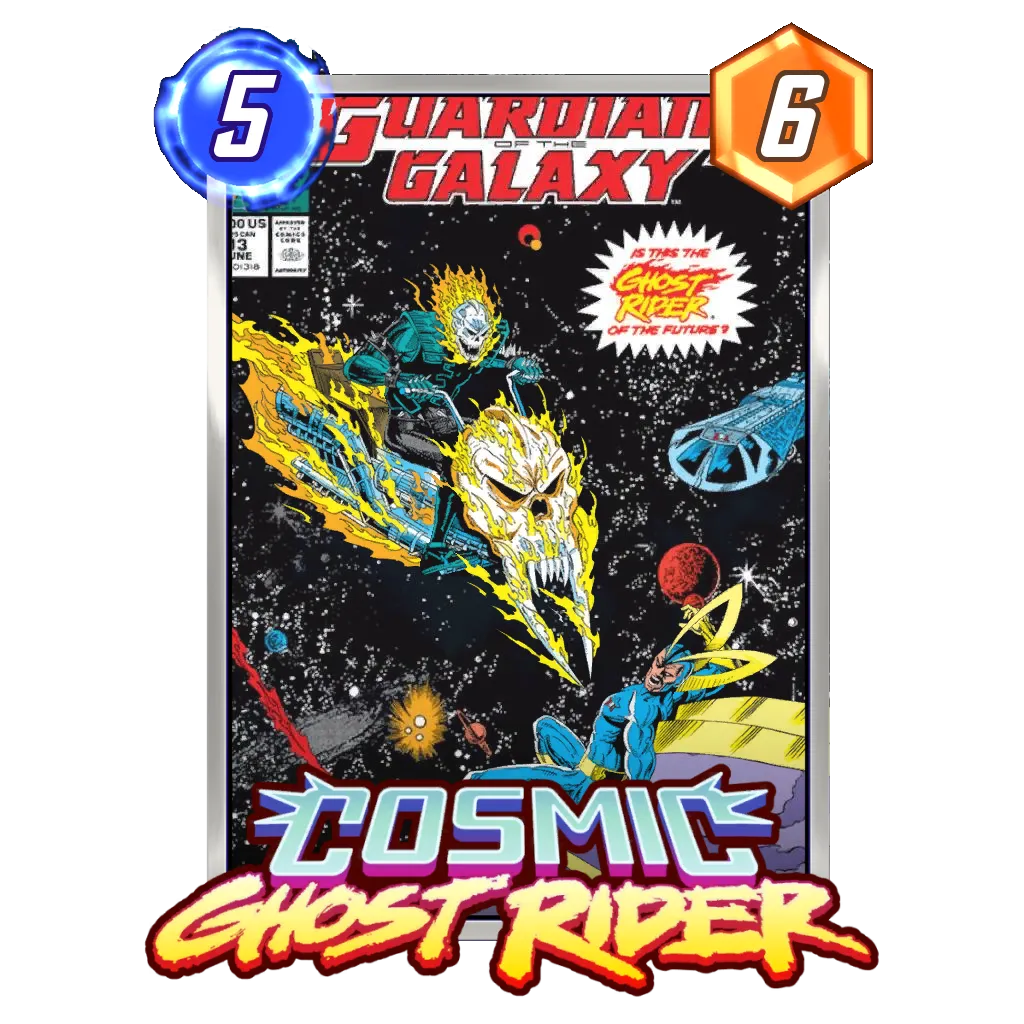

 Decks with Cosmic Ghost Rider
Another option to shut down certain decks, [Card name=”Cosmic ghost Rider”] is a good generic option when you want to disrupt your opponent, but are uncertain about the field. There is one critical factor with the card : priority. Indeed, [Card name=”Cosmic ghost Rider”] is mostly used to shut down certain setup cars, such as Wong. Then, to be able to snap confidently, we need to hold priority, so we don’t have to worry about a protective card, or the opponent using the ability before we can shut it off.
The flexible Move package is quite good at seizing priority. Indeed, we can move our points around to be ahead on two, while Juggernaut allows to keep our opponent out of a location on turn four if needed. Plus, Cougarr had another card included to help with priority.

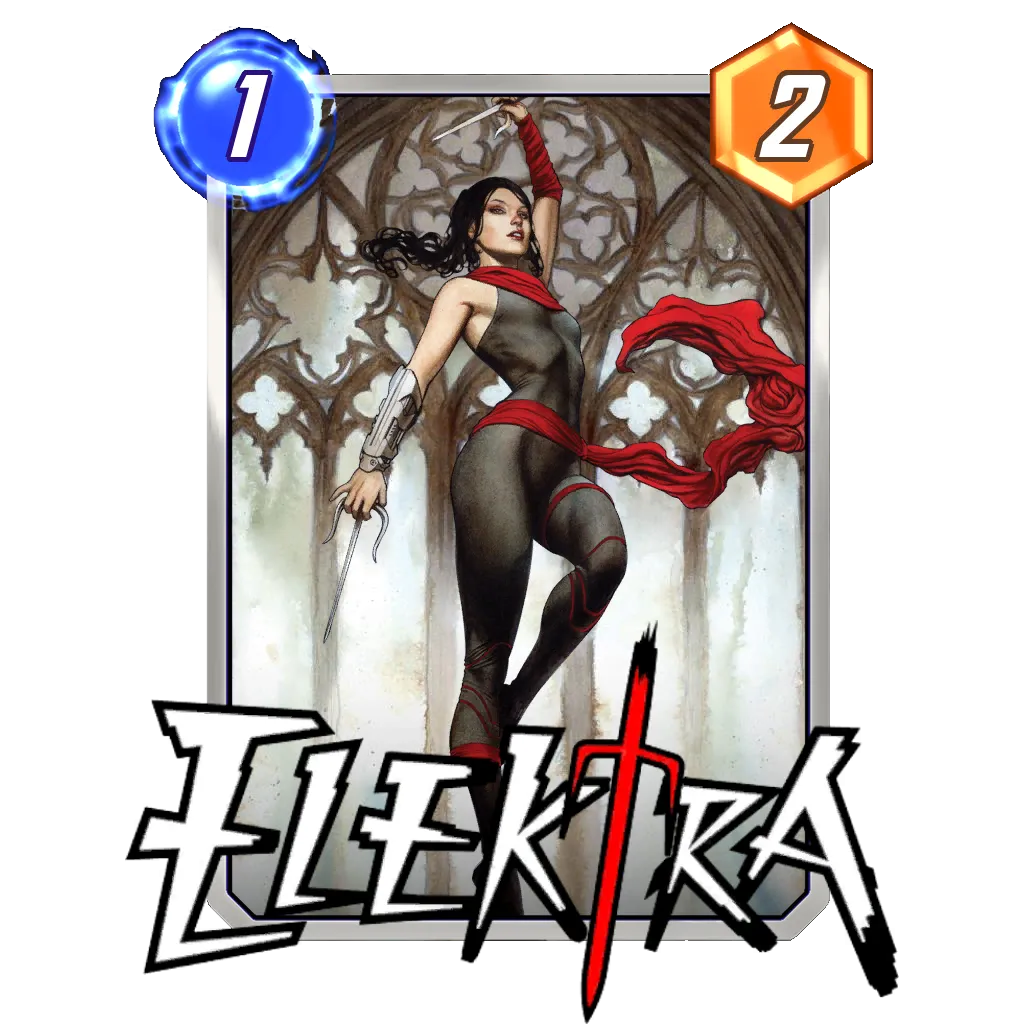


Elektra is a card we never see when playing Marvel Snap in ranked. However, the card is quite good for specific purposes, such as grabbing priority at a key moment, or annoying the End of Turn synergy through removing Sunspot, Hydra Bob or Black Cat. It will also do a great job against Move (Araña) or Iron Hand (Quinjet), other strong synergies you can expect to face in a tournament.
Most of the time, decks don’t have enough room to include that many disruptive cards. Yet, this is one of the strengths of this flexible move package : it can function with only 6 cards as its core, while most decks will require from 8 to 10 on average.
Can I play this deck in Ranked ?
I looked for it in the data and actually found that deck in the Infinite ranks, sporting decent yet far from dominant numbers. The win rate is more than enough to expect to climb, but the cube average is quite low compared to other archetypes.

This is kind of the issues with many Move decks, which tend to quickly show their opponent if they have a strong opening or not. Plus, a deck with so many disruptive cards will make the most of any information it can grab about its opponent’s deck list. Indeed, as soon as we know Mobius M. Mobius or [Card name=”Cosmic ghost Rider”] are a problem for our opponent, we gained a new snap opportunity, one much harder to figure out than Batroc the Leaper followed by Sam Wilson Captain America.
Then, I feel like this deck was designed to be a solid tournament pick, built around flexibility and creating snap opportunities through leveraging the information about its opponent. In the ranked mode, a lot of this deck’s leverages won’t be as effective, leading to average results at best.



More Content