


Table of Contents
Second Dinner has released 17 cards between the start of September and the end of December. Of these cards, 13 have been changed by either nerf of buff so far – many of them several times. Although these speedy changes make planning card acquisition difficult (especially for Free to Play players or those who spend without optimizing), it’s difficult to argue that many of these changes are for the better.
To further the issue, card balancing and predicting card power levels are both massive undertakings. In fact, here at Marvel Snap Zone, we release a monthly article featuring card rankings and power predictions from 50 or so of the top creators from all over the world… and even with that sample, the results are often wrong with such answers as Loki or Ms. Marvel being the third best card their month and Sebastian Shaw finishing above Blob.
I’ll be honest – I’ve had a hard time deciding how I feel about this. I firmly believe that both new cards should be impactful/balanced and that these changes have made it difficult for the community to keep up with the game, especially the mythical casual fan who doesn’t engage with content on sites like this one.
In order to clarify what changes were made and how they affected both the game and the player base, I’d like to look at each card, how it was changed, whether it was predictable, and how that affected the meta. Hopefully, after this breakdown, you can form your own, more considered perspectives. I’ll be using this article to do the same.
September Releases
Loki








 Decks with Loki
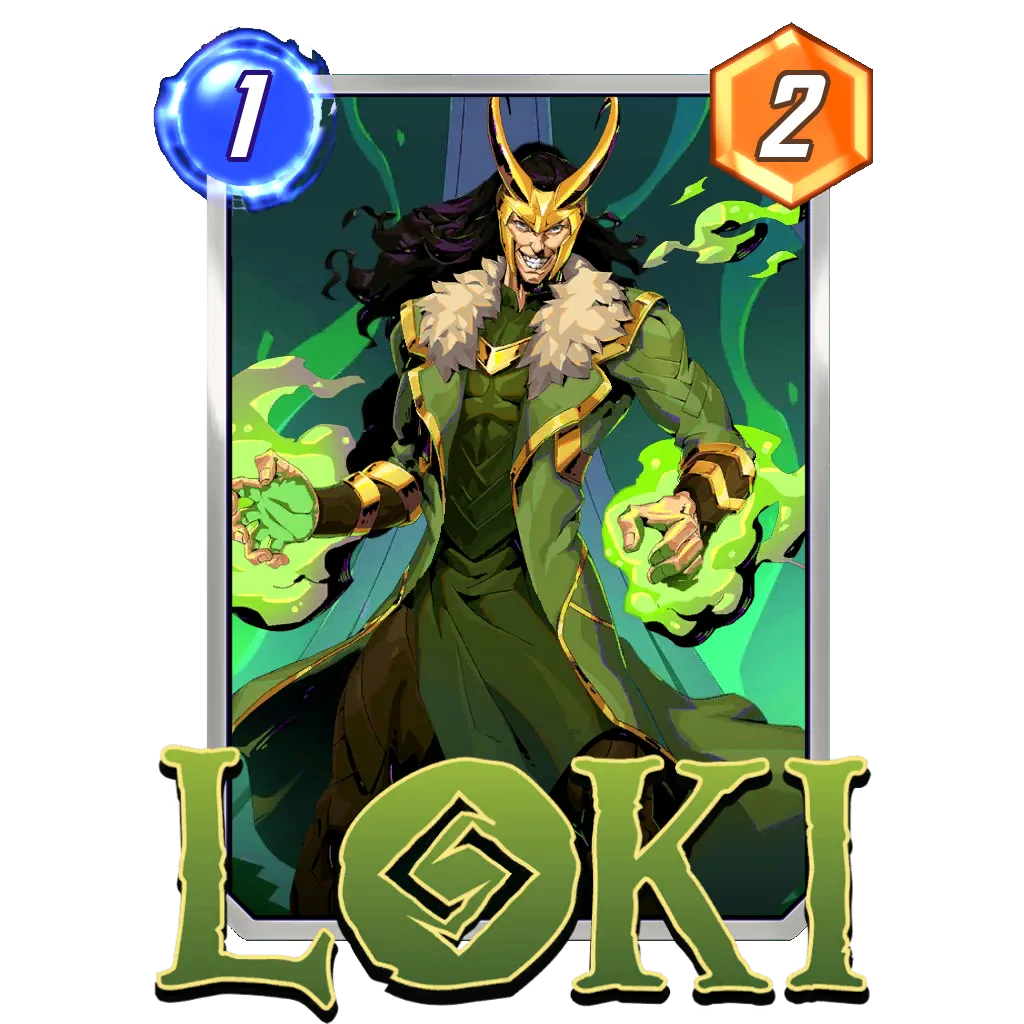
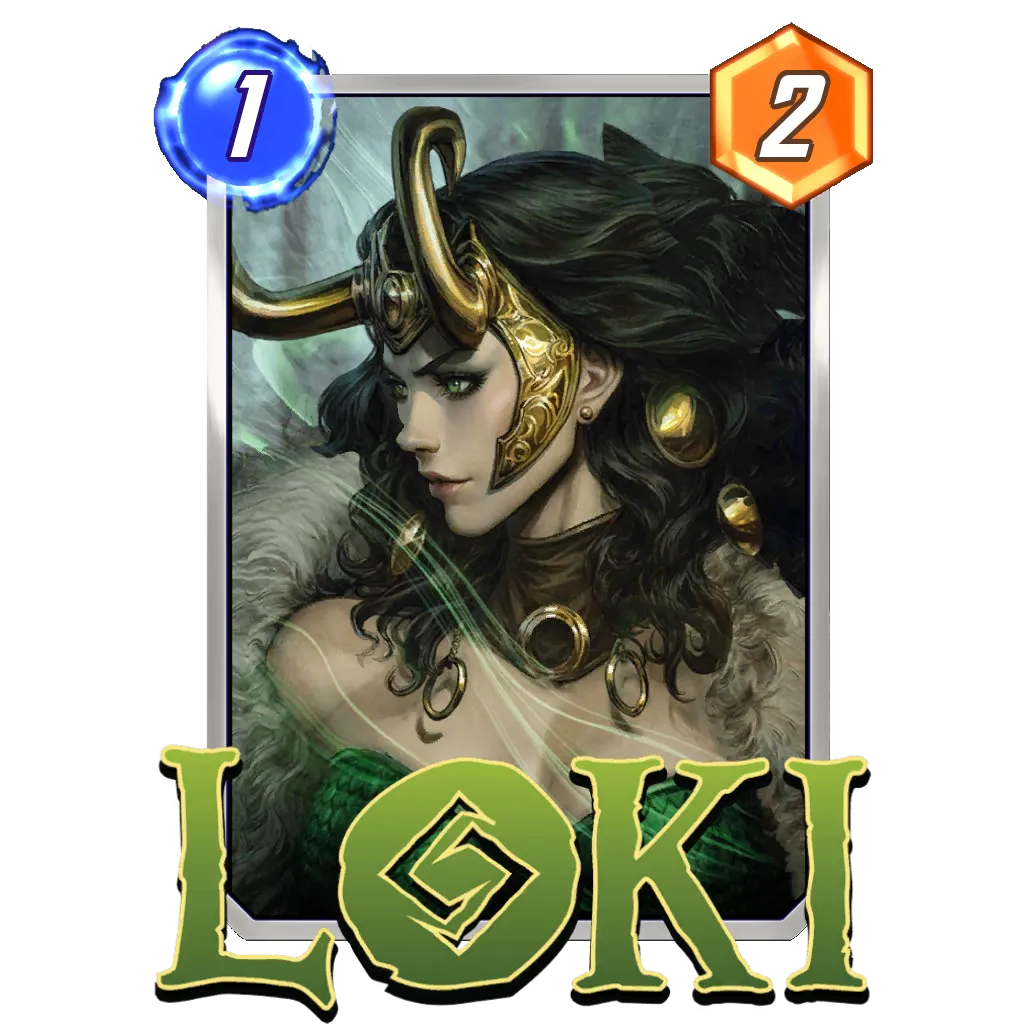
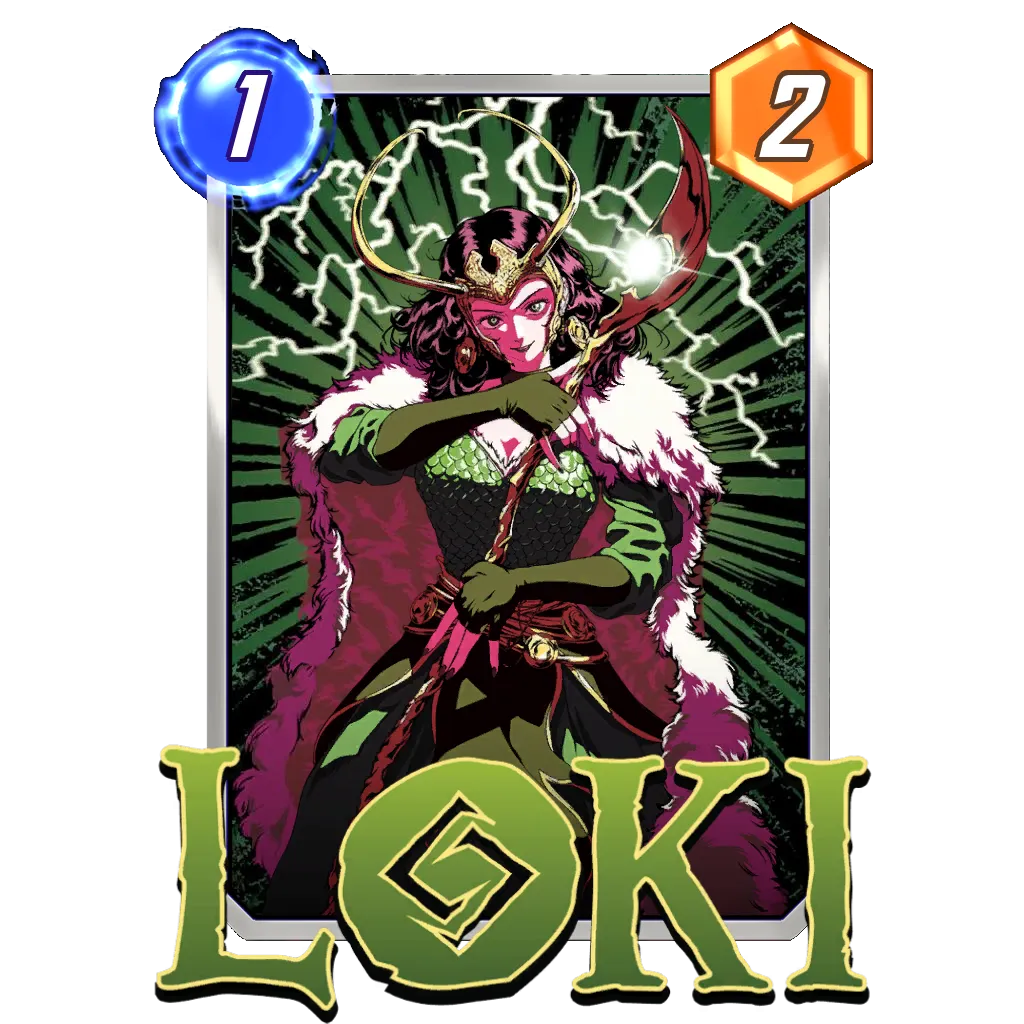
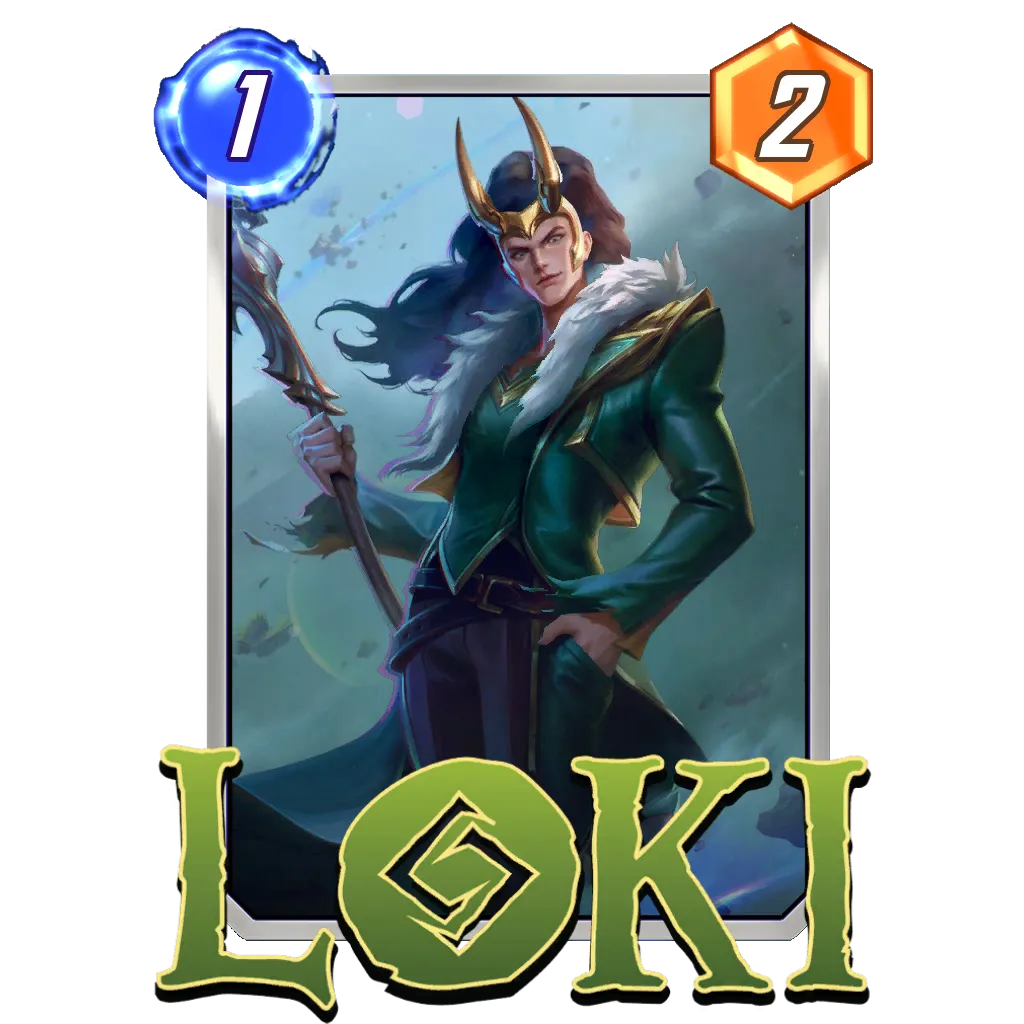
Loki began as a [3/5] and, as such, was one of the best cards ever released in Marvel Snap. It clearly had to be changed, and Second Dinner has taken a lot of heat by being slow to nerf the card. I think this is entirely unfair.
Loki was a card that (almost) everyone was wrong about. Our own genius deckbuilder SafetyBlade thought Loki was broken. No one else did. Not over 50 creators. Not Lamby. Not Second Dinner. Given that, it makes perfect sense that they released this card too strong.
As for Loki being slower to nerf, well, how many cards are released and immediately become their own archetype? Yes, cards go into decks – good stuff shells, move shells, etc. But a card that becomes its own archetype and makes previously underplayed cards into a full deck? In Marvel Snap, that’s exceedingly rare. I’d argue that Loki and Black Knight are the only cards on this list that fit that description. As such, even if Loki is often too strong, it’s worth tweaking lightly to ensure that an entire archetype doesn’t die. The second nerf to Loki that stopped it from working with The Collector has seemed to bring it in line with other cards.
Is Marvel Snap a better game with Loki in it? Debatable. But its impact simply was not foreseeable unless you had the right shell, and now that it’s here, it’s likely worth preserving as an A-List Marvel character who creates an entire archetype.
Alioth




 Decks with Alioth
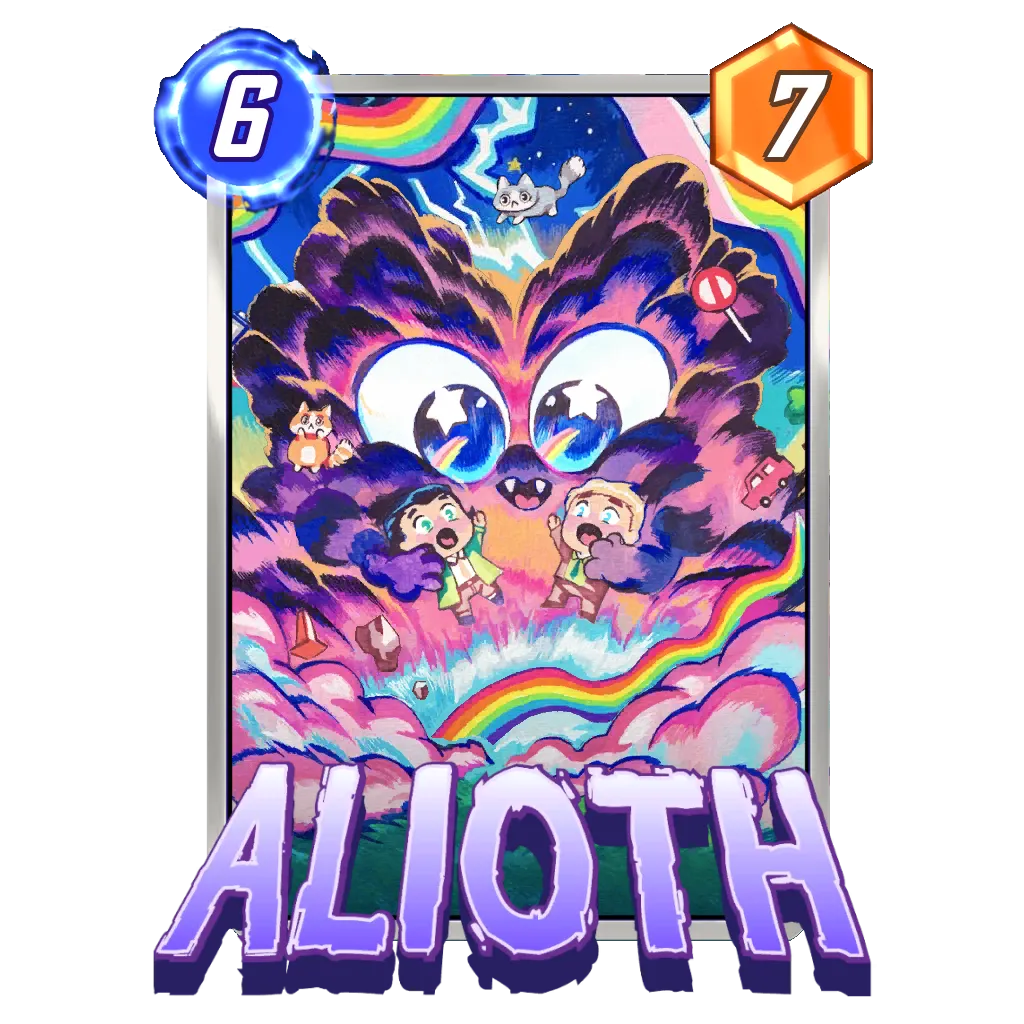
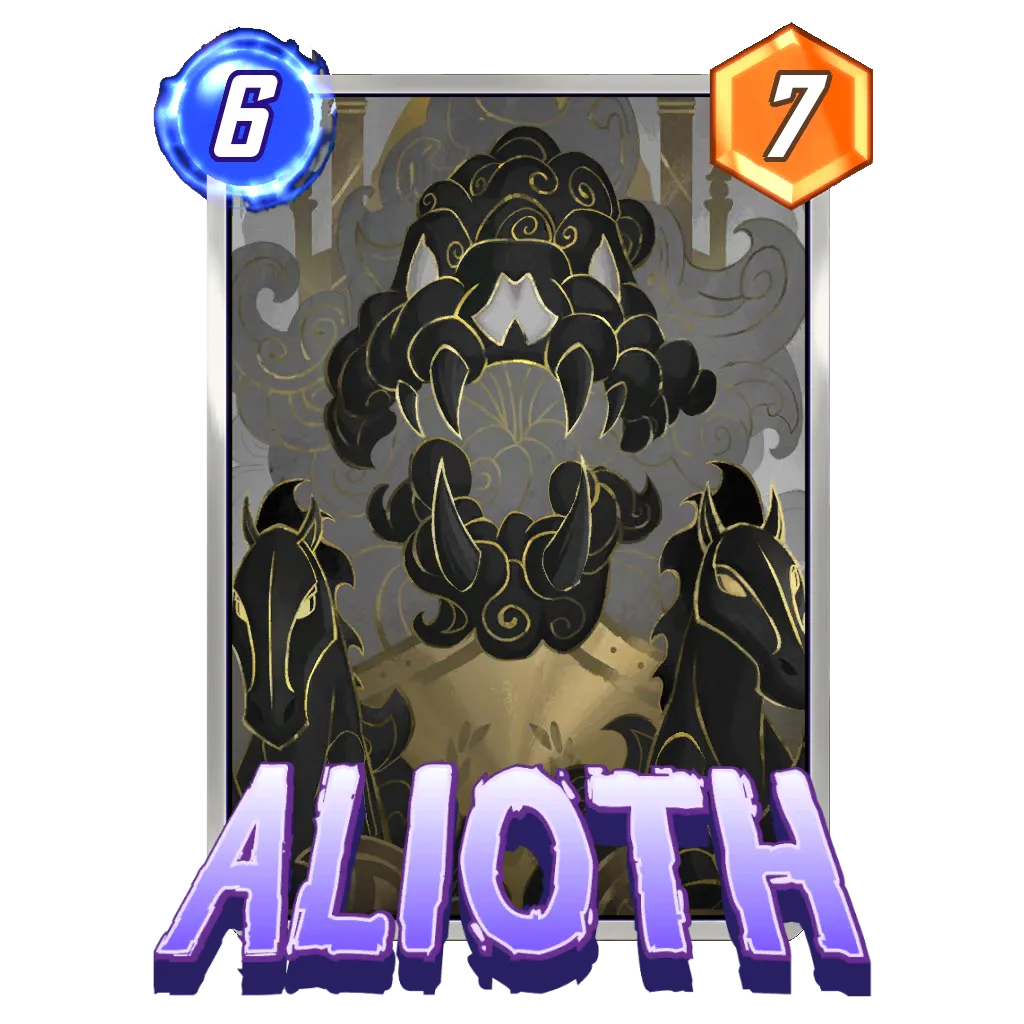
Alioth, whether as a [6/5] or [6/3], was over tuned in entirely foreseeable ways. As a [6/5], the card was so good that it went in everything, and even as a [6/2] it warped the game so that cards like Doctor Doom, Vision, and Jeff the Baby Land Shark are must plays. Lockdown was finally consistently a meta deck – and, even after the nerfs, that has remained true.
We know exactly how Alioth happened, too. The 6-Cost cards in Marvel Snap are very rarely actually good. With open board space, most decks can output more power than a good 6-Cost card, so creating just more statistically powerful 6-Costs on pure output didn’t seem like it would work (more on that in the Blob section). Alioth was an attempt at filling the pre-nerf Leader design space of a 6-Cost card that could help you win the game.
In practice, though, Alioth turned a ton of games into 50-50s. If you guessed the lane right, you won, and if not, oh well, gg. That’s not super fun, so Alioth had to change.
And I think it’s landed in a good place. Priority matters now for the card, and if your opponent over commits to grab it, Alioth is a card that’s fairly easy to read. If your opponent has it, at [6/2], the math of whether or not you can beat the card is straightforward. There are still 50-50s, but they’re fairer and take set up now.
Alioth should never have been released as it was, but, once it was released, it absolutely had to be changed.
Ravonna Renslayer


 Decks with Ravonna Renslayer
Ravonna was a Series 4 card, and it released as a [3/3] on the principal that it’d be stronger with Zabu and needed to be separated. This card, a week before Mobius, was clearly not good enough. Even now, two buffs later, it isn’t as good as Zabu.
We eventually landed in the right spot – the same cost as Zabu, but one more power since it’s harder to use and less consistent. As more 0- and 1-Cost cards come out (hello, Grand Master), Ravonna will get better. It’s a very healthy card for the game that they just undershot on.
So, the question for this one: are we upset that they were careful with card reduction? After how the [3/2] Zabu warped the meta, I don’t think I am.
Mobius M. Mobius






 Decks with Mobius M. Mobius
This is the first card that I think they just got wrong in completely foreseeable ways. As a [2/3] Series 4 card, this killed so many decks and so many other cards. Sera, Death, She-Hulk, Zabu, and so many others were just chased out of the meta in utterly predictable ways. As a 2-Cost card, Mobius was just everywhere (or at least a threat to be everywhere).
And more, everyone knew how good it was. There was no surprise since it finished first in the voting for September’s best card before the season began.
Mobius’s first adjustment was somehow even worse for the game than its effect. It became an On Reveal to “welcome back cost-reduction” and left players feeling ill-used for grabbing the new card. While it has landed in a good place at the current [3/3] stat line, Mobius was, from start to end, kind of a disaster for both Second Dinner and the players of Marvel Snap.
October Releases
Elsa Bloodstone


 Decks with Elsa Bloodstone
Speaking of indefensible cards, a [2/2] Elsa Bloodstone that gave +3 whenever any lane was filled is completely broken. They nerfed Kitty Pryde before Elsa’s release, so they clearly saw a potential problem. Still, Bounce shells, Move decks, and more were able to turn it into a consistent [2/11]+ on the low side. That’ game warping, so, unsurprisingly, it warped the game. Releasing Elsa in its previous condition was an abject mistake.
Elsa was nerfed first to a [2/2] that gave +2, and that seemed balanced to many (myself included). Second Dinner further nerfed Elsa to the current stats and ability, though, with the reasoning that they want 2-Cost cards to no longer have universal effects. Realizing this after they sold the card for $10 is frustrating, and the reasoning seems specious. I think it’s far more likely that, in testing, they realized Blob and February’s cards broke Thanos, and Elsa being way too good there meant it needed to be reigned in.
Elsa is, in many ways, the worst decision on this list.
Man-Thing


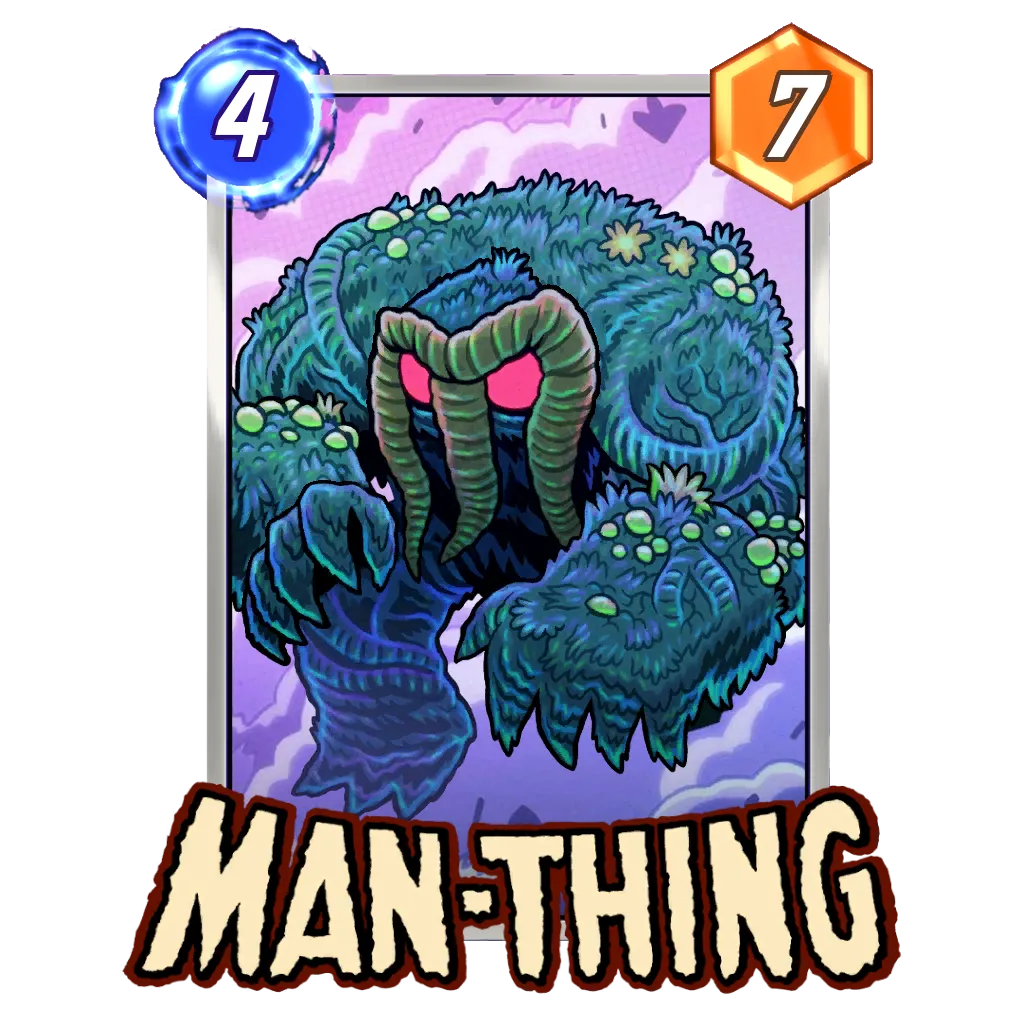


Hey! A card that wasn’t adjusted!
Man-Thing was released as a Series 4 card, and it was, surprisingly, immediately in some very good decks. A lot of that was thanks to Loki and Alioth taking up so much airspace that no one could really afford to play around Man-Thing. The other major change happened around Man-Thing, not to it. The card was played literally always and only with Luke Cage. Removing Luke Cage from the meta changed not only Man-Thing’s counter, but also made playing the card significantly different. There’s little reason the two cards couldn’t still be good together, but the release of another extremely powerful 4-Cost Ongoing card made it feel redundant.
Man-Thing is a blip or a bump. Without adjustments to cards after release, we’d have far more Man-Things, and I’m not sure that’s a good thing, man.
Black Knight



 Decks with Black Knight
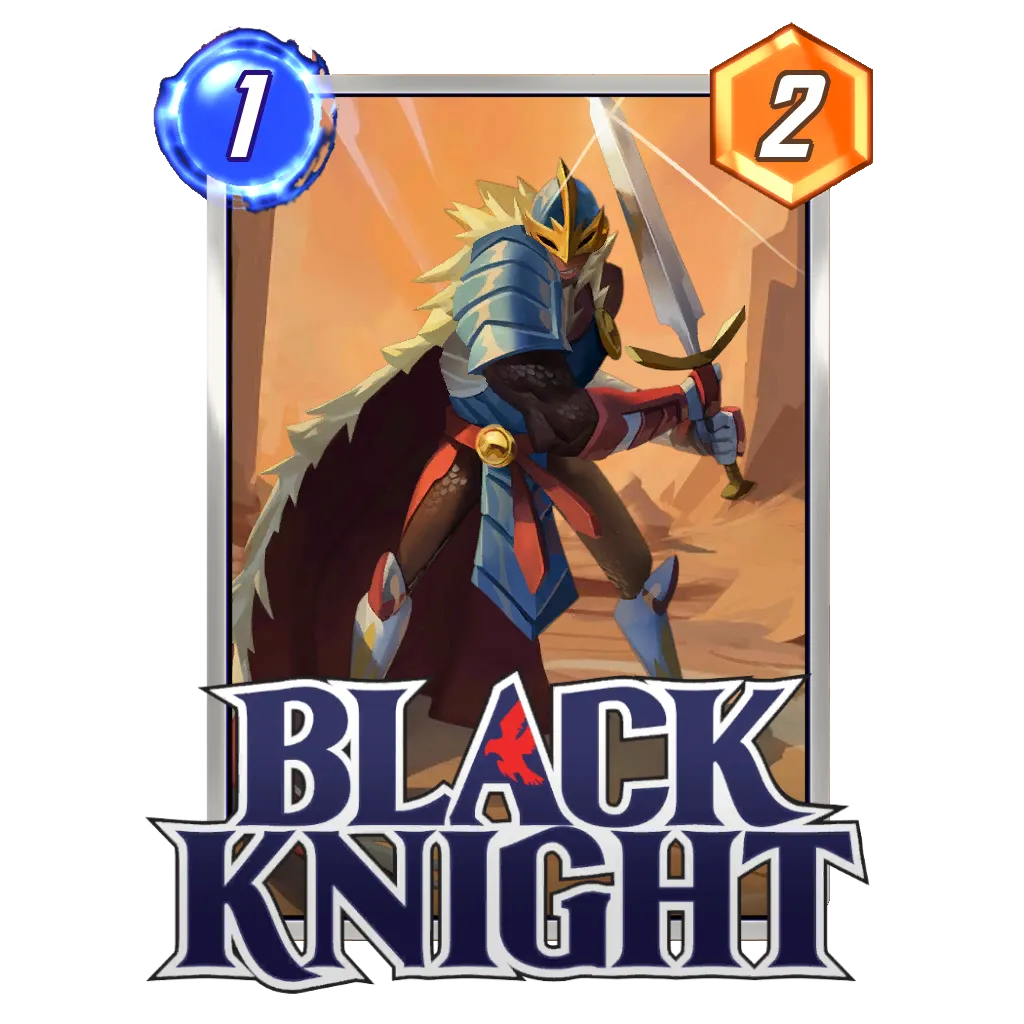
Black Knight got one of the most significant buffs of any card in this time frame with the Ebony Blade gained the Ongoing: Cannot be destroyed or have its power reduced ability. Before that, the card (which usually wanted to be played early) was often just Shadow King or Shang-Chi food. Given the deckbuilding commitment Black Knight represents, this buff took Black Knight from one of the worst cards to a card that was the centerpiece of the #1 deck last season.
At the end of the day, though, the buff was frustrating for many players who found that they had passed on the previously bad version of the card, as they were now lacking a key meta piece. Luckily, a few weeks later, Black Knight was in Spotlight Caches, so the pain was short-lived.
This is perhaps the best case for releasing an underpowered card. It was buffed to meta relevance without being broken and then immediately featured in Spotlight Caches again, thus preventing FOMO.
Nico Minoru







 Decks with Nico Minoru
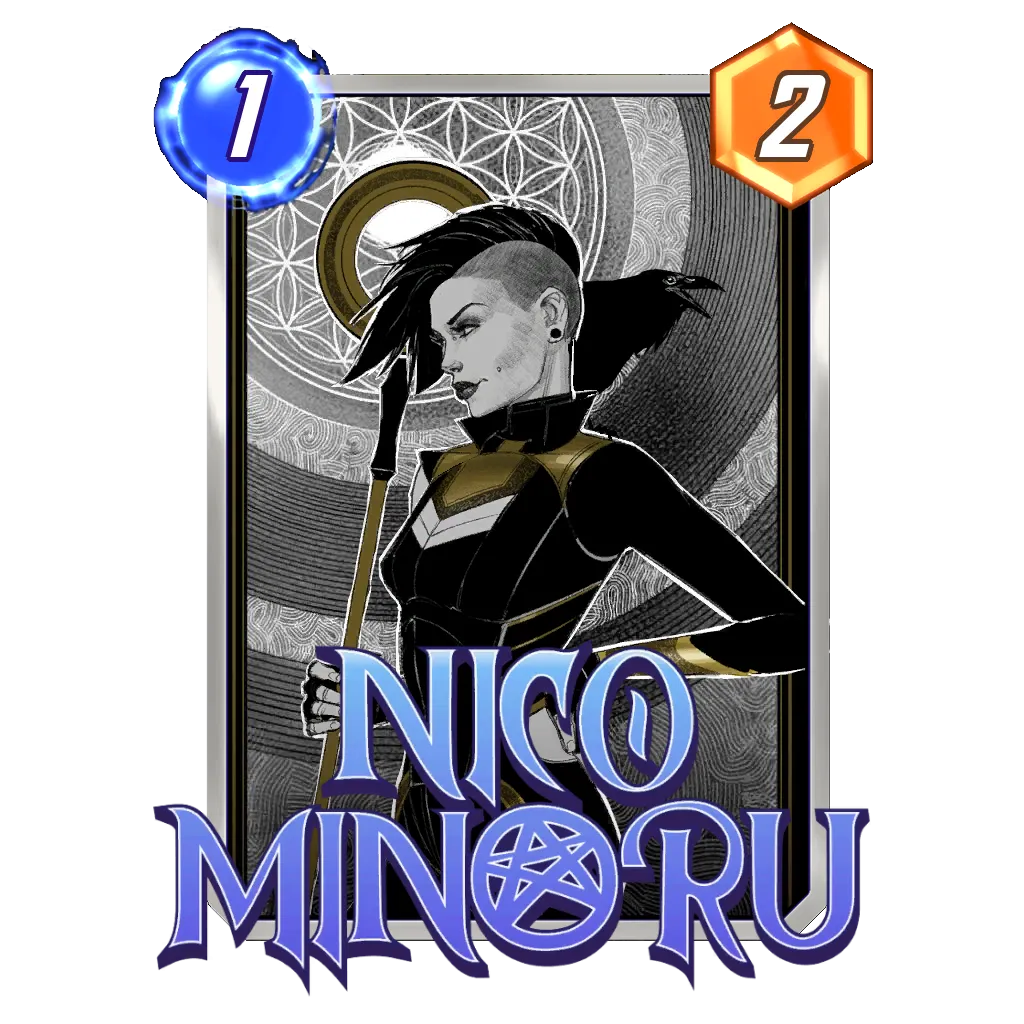
This is our first really perfectly designed card. Nico released and immediately found a home in multiple meta decks, including Loki, Bounce, Destroy, and Thanos. It has never been touched (yet). It’s strong and interesting without being oppressive. There’s nothing more to really say here – this card is a home run.
Werewolf By Night






 Decks with Werewolf By Night
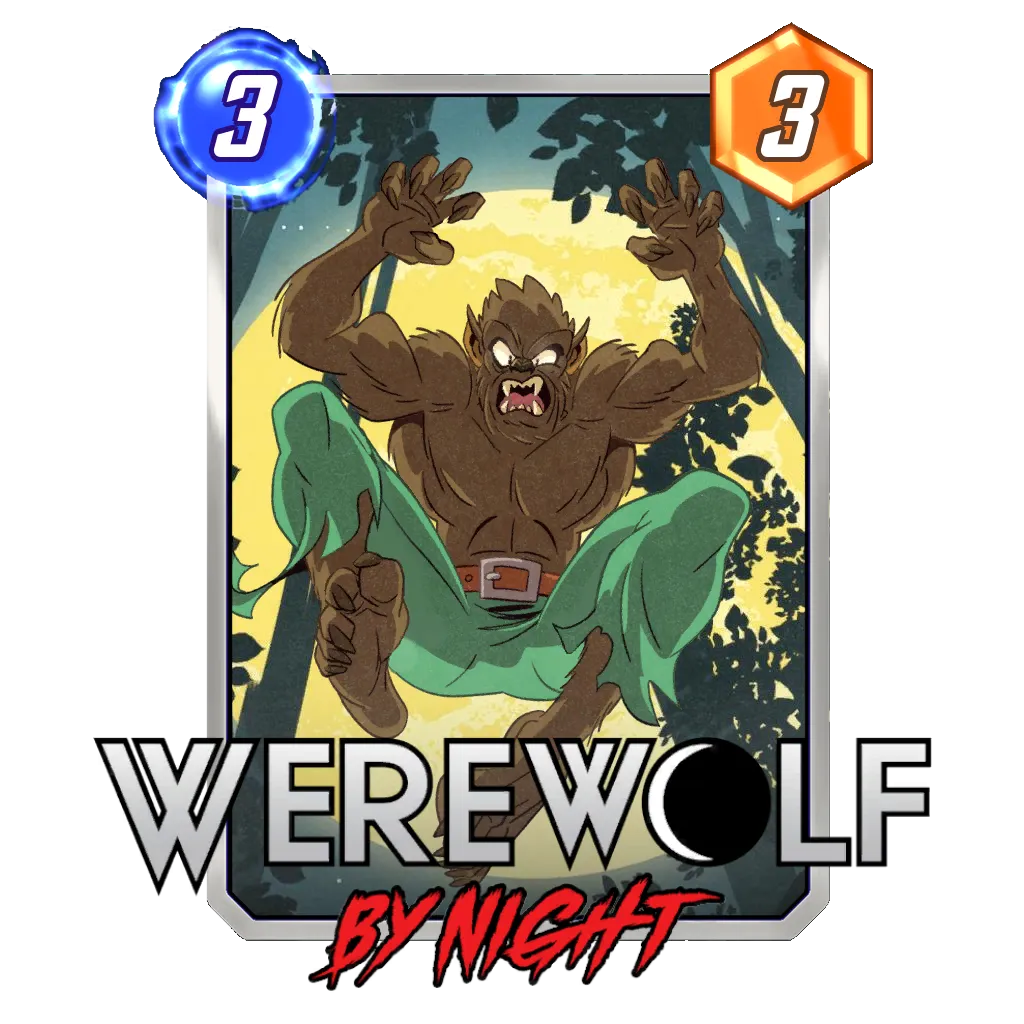
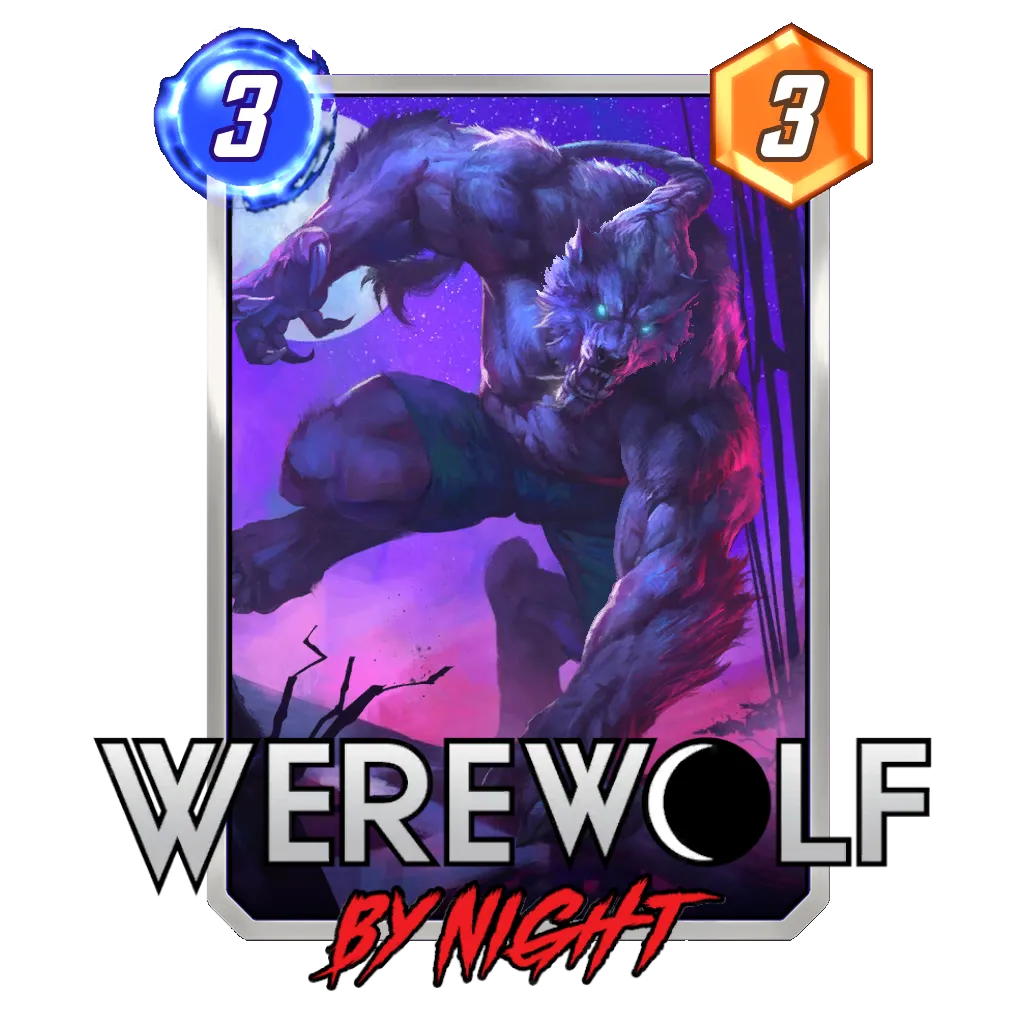
Oh dear. Werewolf By Night had almost two months of being the best card in Marvel Snap. The [3/3] Series 5 card was insane in Loki and Bounce, and it even made Silver Surfer viable again for a bit. [3/17] is a lot, but Werewolf was likely tested in an Elsa Bloodstone +3 meta. Elsa at +3 is a warping card, and, compared to that, Werewolf was merely great, not the best card in the game.
There was no shock when Werewolf was nerfed, but the size of the nerf was a surprise. Moving it to a 4-Cost pushed it directly out of the meta. How much of that is preparation for Black Swan, the February Season Pass card that synergizes perfectly with Werewolf? That remains to be seen. For now, they took the best card in the game, an easy S Tier, and made it around a B-.
That’s a feel-bad, for sure. And if Black Swan makes it great right after it was in Spotlights again? Ouch.
November Releases
Ms. Marvel




 Decks with Ms. Marvel
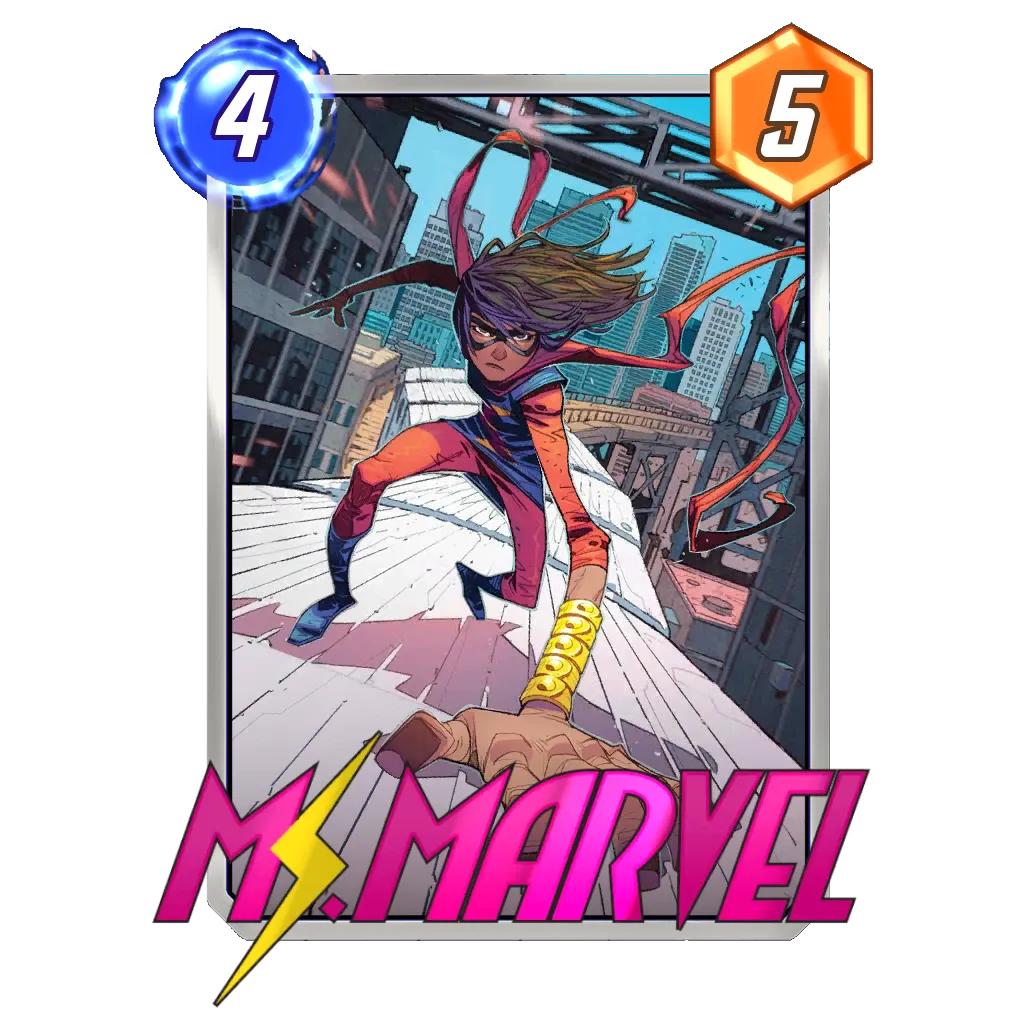
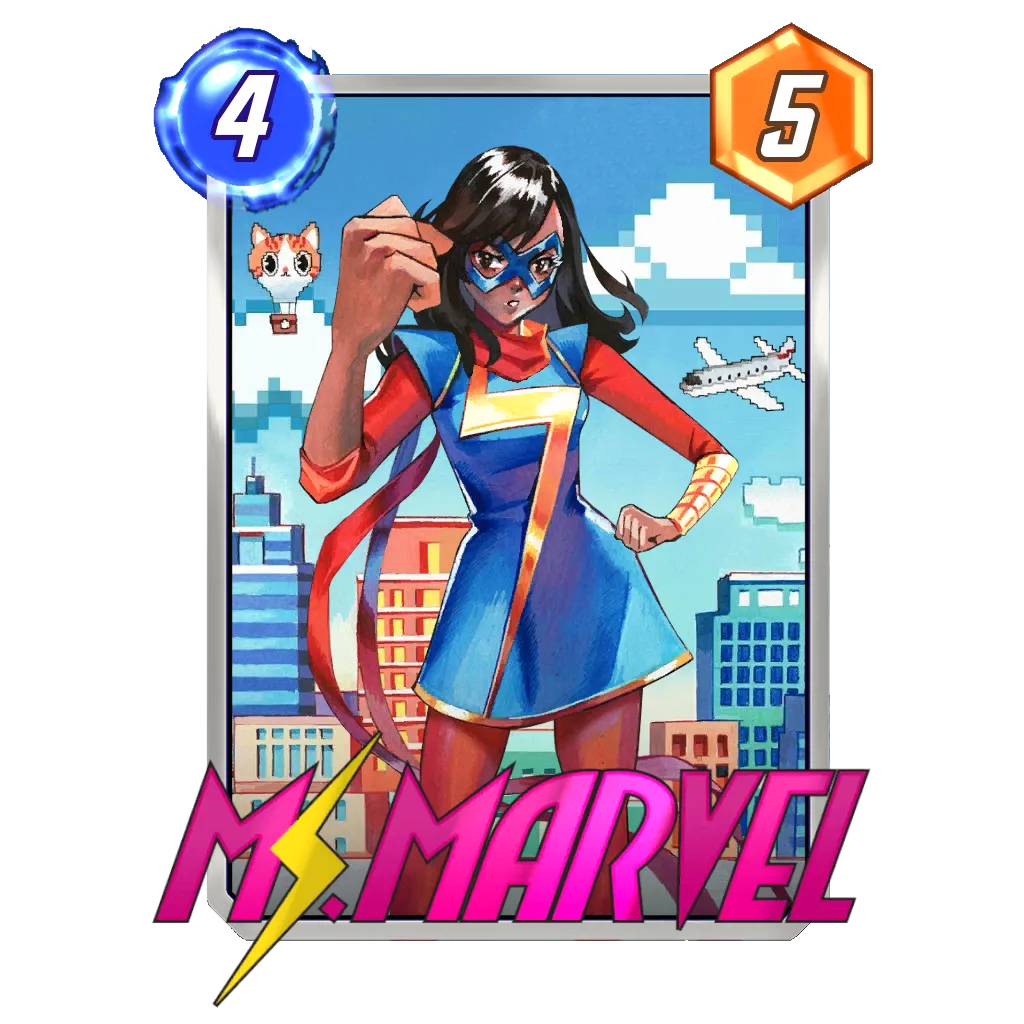
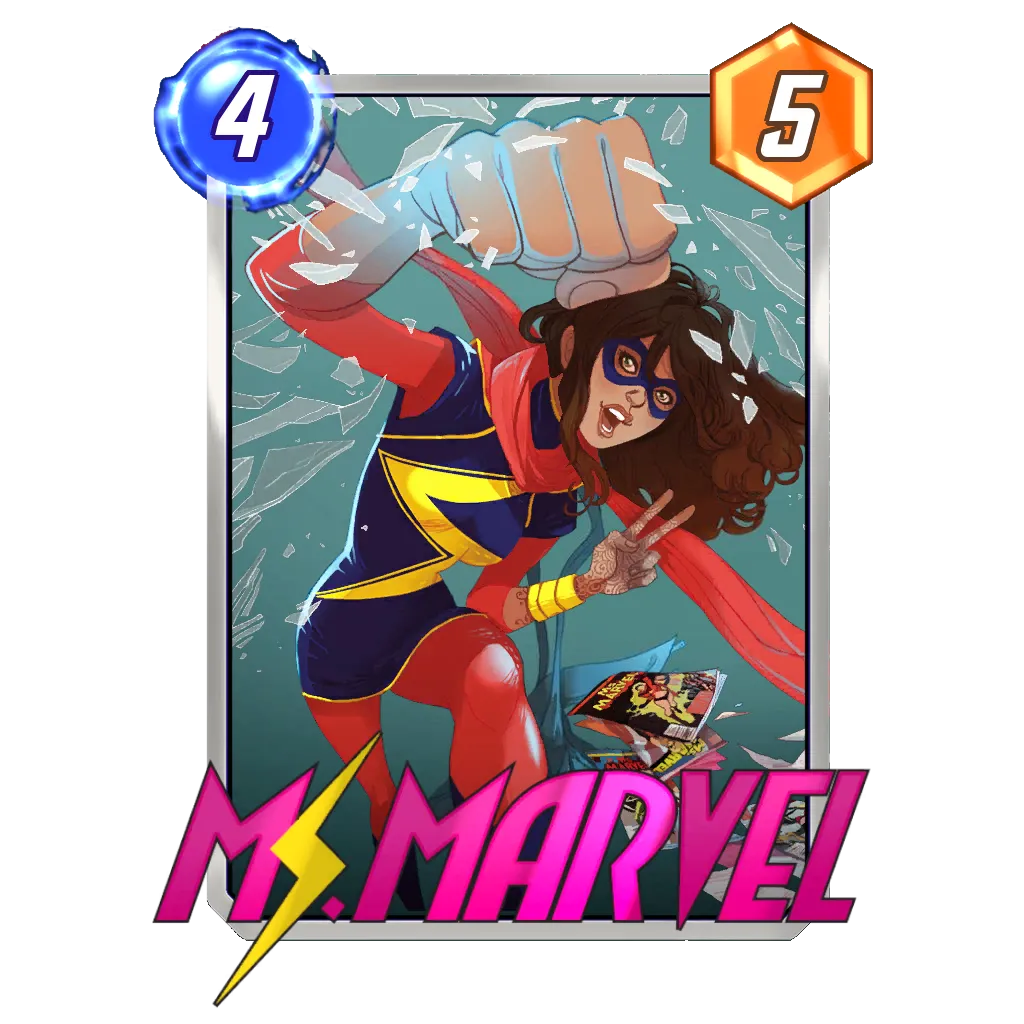
Ms. Marvel was controversial before release, ranking only third behind Annihilus and Gladiator for its month, but, as it turns out, a [4/15] is pretty freaking good. This one can, again, is likely to be blamed on testing during the reign of Elsa where [4/15] is still awesome, but functionally impossible to pull off while getting Elsa triggers. Furthermore, Ms. Marvel’s triggering condition was never seen before, so there was consternation over how easy or hard it would be to pull off. By the time Ms. Marvel released, though, Elsa was gone, soon to be followed by the elimination of the Werewolf, which left Ms. Marvel as the best and easiest stats in the game and, likewise, one of its very best cards.
The nerf brought it down to a reasonable level without killing it, as it’s now a [4/14] and just harder enough to trigger to limit.
Ms. Marvel was controversial, but it was a very good regular design for where the game was and is a better, healthier card after the nerf.
Gladiator


 Decks with Gladiator
Gladiator released at [3/7], and, with America Chavez still a [6/9] in every deck, it lost far more duels than it won. The buff to a [3/8], along with the change to Maximus (from [3/7] to [2/6]) and some nerfs, left Gladiator as one of the best stat-sticks in the game – and far less of a dangerous one without Chavez in every deck.
The buff was good, but the big change for Gladiator was contextual. Regular OTAs and patches change the quality of cards fairly often.
Annihilus




 Decks with Annihilus
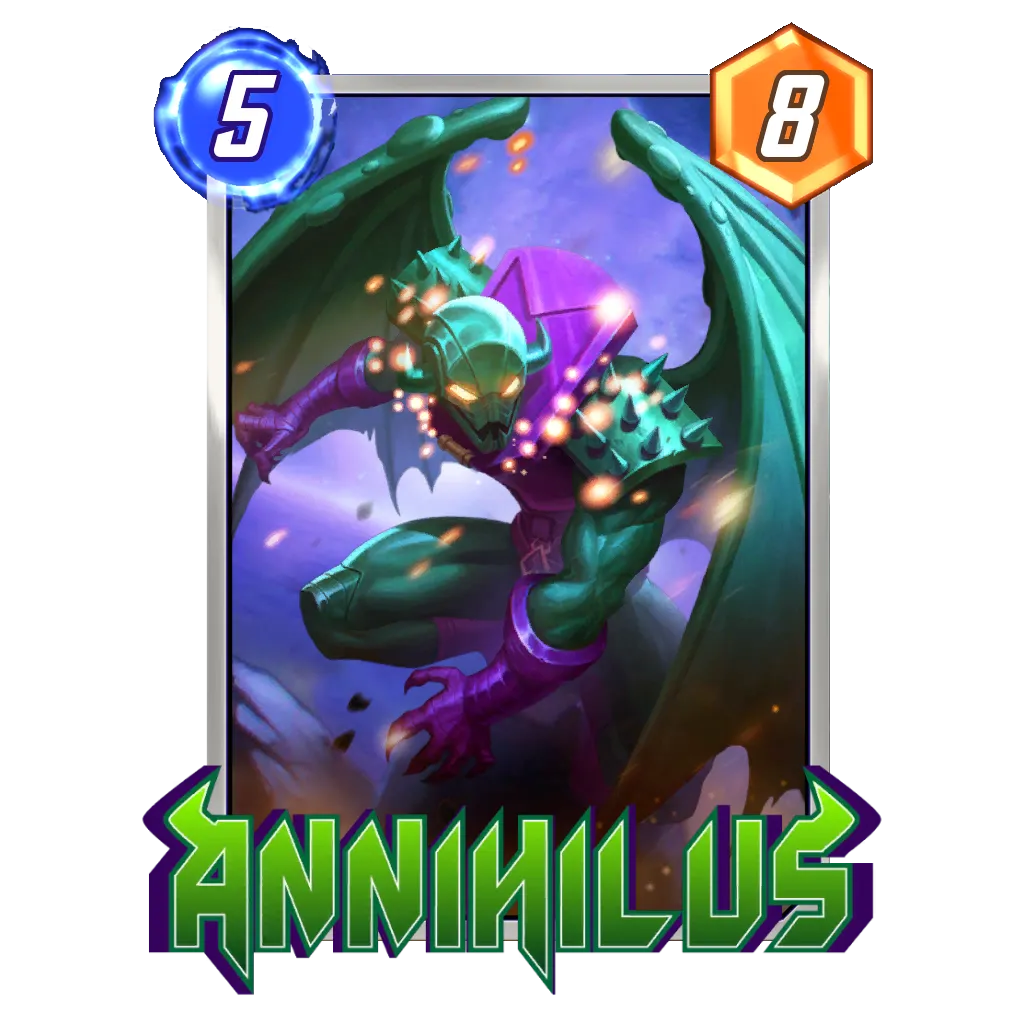
Annihilus was a [5/7] and could send 0-Cost cards over just a few short weeks ago. Apparently, its Win Rate was great, but it never felt busted or problematic to the players.
If its Win Rate was too high and no one noticed, should it have been changed? That’s tough, right? I lean towards no; the game must have powerful cards, and if people are happy with which cards are powerful, why nerf them? It promoted play patterns that were strong but not problematic.
This isn’t to say that no longer affecting 0-Costs is a bad change. I think the problem is losing a power for no reason. Eventually, a Debrii build would be broken and NPE. Even if that isn’t good now, a meta where everyone has only two spots or less at two locations seems problematic.
Still, as a [5/7], this card was a positive force. This change still surprises me (even if it isn’t much worse).
Martyr


 Decks with Martyr
Martyr is a pretty good card. At [1/4], it was a good card, and at [1/5] it’s even better. The buff, however, coincided with Lockdown Professor X strategies taking a big hit, and Martyr’s obvious home was taken out from under it. Zoo is fun, but by the time you get Martyr it’s not really a meta-relevant strategy. Still, as a [1/5] that is played in a deck that goes wide, it rarely moves and has truly great stats. The text box just intimidates people. I’m happy it was buffed, but so far it’s been irrelevant. I think that’ll change, but, based on where we are, it’s fine.
December Releases
Sebastian Shaw


 Decks with Sebastian Shaw
Shaw wasn’t changed and is a very healthy card. It’s a necessity for the Silver Surfer strategy since Werewolf By Night was moved out of it, and it’s now the best power card in the deck. It has no other homes and is a weird choice for a Season Pass card because of that, but it’s balanced (if a bit boring).
That boringness begs the question of what we want from Season Pass cards, though. While we don’t have sales numbers, it certainly drove less discourse and interest than the previous three Season Pass cards. If that translated to sales and/or game play, then what’s better for the game: a card like Sebastian Shaw or a card like Ms. Marvel? I’m not sure of the answer, but if the long-term health of Snap is the question, I tend to lean against Shaw.
Blob


 Decks with Blob
Second Dinner is on a crusade to make new 6-Cost cards matter, but they released two that were completely broken: Alioth and Blob. In a game where 20 power requires skipping a turn and the max a two-card combo can usually generate is in the high 20s, a no-set-up card that routinely ended up in the high 30s was easily the best card in the game. It took less than one day to realize that it was a huge problem, especially in Thanos decks. Printing cards like this, original Alioth, and Elsa Bloodstone – those are the real feel-bads.
The design of the game makes 6-Cost cards that are balanced incredibly difficult. Magneto is good, and Doctor Doom is great, but everything else is specific to an archetype/build from Knull to Thanos to Galactus to Arnim Zola to The Living Tribunal. They’re all good, but they go in specific places. I think maybe that’s how 6-Costs need to exist based on the experience of Blob and Alioth. A generally good six has to be better than playing a huge combination of other cards. Doing that without breaking the game is incredibly hard, but doing it so that it fits in a combo makes a lot of sense.
As for Blob, the balance change is brilliant. It was unbelievably broken, and now it’s a very good card with the same flavor that isn’t broken.
Havok


 Decks with Havok
Havok, like Man-Thing, wasn’t nerfed, but one of the major pieces around it was and it took out its play rate. When Viper was nerfed from a [2/3] to a [3/4] (and later to a [3/5]), a toxic combo was removed from the game, but so was a lot of the power for Havok. That’s a good thing for people who don’t want to get hit with that combo every 1 in 10 games, but it left Havok as kind of a mid card without a great home. It’s okay in some Professor X and Sera shells, but the balance around it has left it a forgotten card.
There is one big problem with Havok’s release: the Viper nerf was two days after Havok came out. Some people bought the card with their limited resources and then the primary combo they wanted to play was removed. Communication here would have gone a long way to avoiding frustrated players, but the change is still smart.
Selene





 Decks with Selene
Selene was also hit by the loss of the easy Viper combo before its release, and it was likewise slammed by the removal of a Turn 3 Selene + Black Widow play that would have been quite toxic. It feels like Havok and Selene were designed under a different philosophy, and when it was determined that it wouldn’t be fun if that got too popular, they were reined in by an OTA before it took shape.
That leaves card design in a lurch, though. OTAs are planned far after cards are created and tested, and knowing where the meta will be that far in advance is tough. If design goals change, as they certainly appeared to have here, we have a problem.
Selene was saved as a card by one of the biggest buffs ever; going from -1 power to 2 power has given it a home and a card package with Ravonna Renslayer and the Goblins. There’s definitely something to that. It ended up in a fine place, but it’s not enough better or so meta that it causes a major issue in the community.
Conclusions
- Cards tested in OP metas (like against Loki and Elsa Bloodstone) that don’t seem to be a problem often become one later – Werewolf By Night, Ms. Marvel. This can lead to a negative snowball effect, so the worst offenders need to be cut out.
- 6-Cost cards are extremely hard to balance to be generally good – Blob, Alioth. Aiming high breaks the game a bit, but aiming low makes them unplayable. 6-Cost cards probably need to be specific to archetypes.
- OTAs make things complicated as things shift and change card valuation – Gladiator, Selene, Havok.
- Creators aren’t better at this than Second Dinner at figuring out problems – Loki, Sebastian Shaw.
- Cards that are a little too powerful and reigned in aren’t a huge deal. The work needs to go in to make sure they still have a home in the meta post-nerf – Ms. Marvel, Annihilus.
- Cards that are way too powerful and get nerfed out of the game leave players feeling defeated and should be avoided at all costs – Elsa Bloodstone, Mobius M. Mobius.
- A small buff to make a terrible card become playable feels nearly as bad as removing an OP card. These should be put into Spotlights again as soon as possible – Black Knight, Gladiator.
- Boring cards that never make a splash are at least as bad as the rest of the problems. They might as well not exist for the majority of the players – Man-Thing, Havok.
- Second Dinner probably needs to do a better job with their initial release of cards, but they have a new system for testing beginning in February that should help. What we’ve seen is that problem cards that warp the meta also warp the testing and have a long-lasting impact on card releases.
- Still, though, almost every change here is good at the end of the day. Cards that are nerfed should be kept relevant in any way possible – not killed since they are so resource-intensive to maintain (see Blob or Ms. Marvel re-works for this done right and Werewolf By Night or Elsa Bloodstone for this done wrong). Buffed cards should be put into Spotlights as soon as possible.
I think if these lessons were taken to heart by Second Dinner – and all of these are tweaks, not re-working the system – the game would be healthier and the players would be happier for a long, long time.



More Content