


There is normally a new card to analyze at the beginning of the week, but the release of Deadpool’s Diner finished all the new cards for the Maximum Effort Season. This presented me with a unique opportunity to discuss something other than star ratings this week. Today, I will take a deeper look at what differentiates Conquest decks and what cards you should consider taking into this season’s Infinity Conquest.
The Tech Card Problem
One issue many cite with Conquest is being “locked in” with bad match ups. Marvel Snap is, at its core, a simple game of 12 cards, which leaves very little room for flexible cards. This is why people get that feeling while playing in Conquest, and it’s what should be your first consideration when looking at a deck for the game mode.
When you look at cards like Hela and The Living Tribunal, the decks that play them often need all 12 cards to work towards the same goal. This is typically considered a “combo”, but in fact most Marvel Snap decks on the Ladder follow this same formula. Very few cards in the decks don’t work towards the same game plan in some way. Also, most of these game plans have some very hard counters. For example, let’s say you’re playing The Living Tribunal and suddenly you’ve found yourself in a game with someone who has Enchantress and Super-Skrull. On Ladder, you can leave for one cube and move on; in Conquest, however, you’re now stuck and heading to the Internet to complain that this game should have sideboards. Yes, any deck can win Infinity Conquest, but you’re much more likely to make it all the way if you think about what tech cards you can swap in to complement your game plan and mitigate your worst match ups.
Sometimes this means diluting your main game plan more than you would on Ladder to give you a more even spread of options so you can compete with the range of decks that Conquest can have.








 Decks with Loki










 SafetyBlade


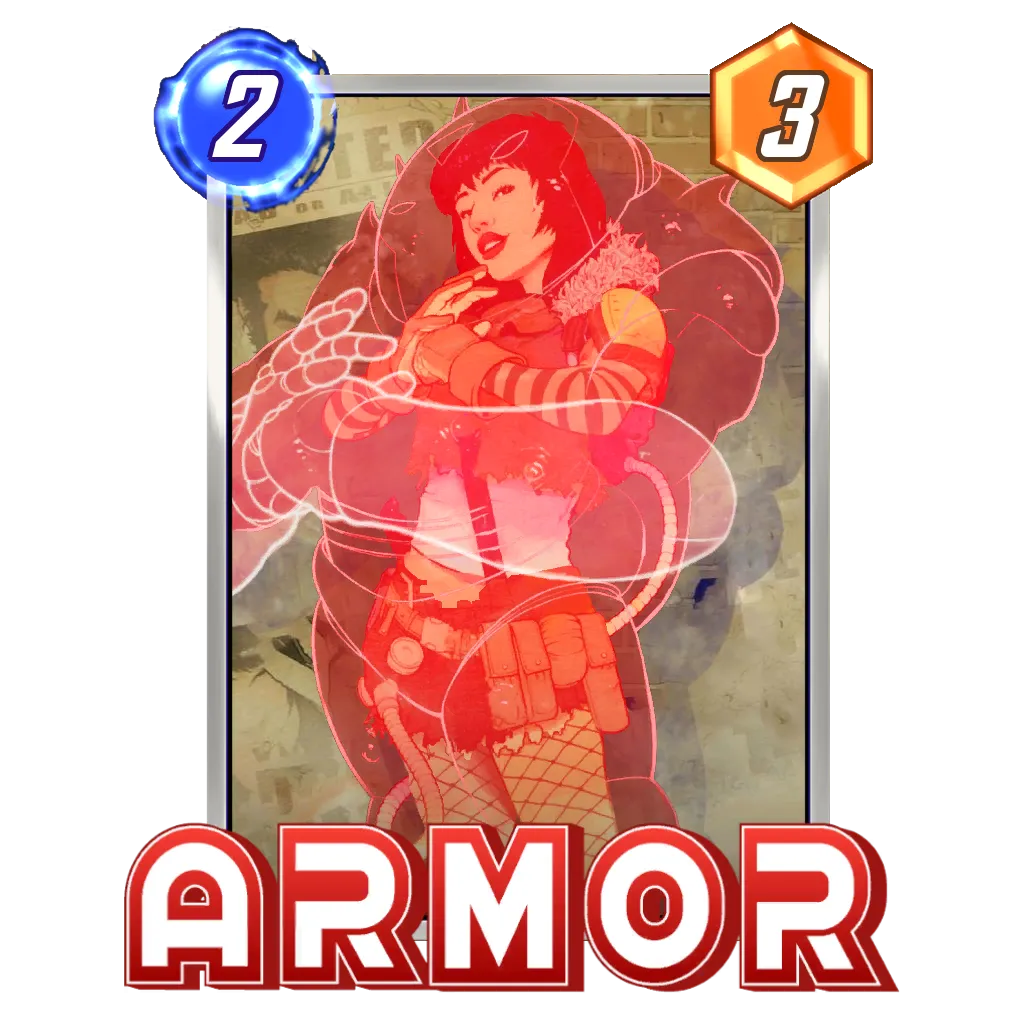
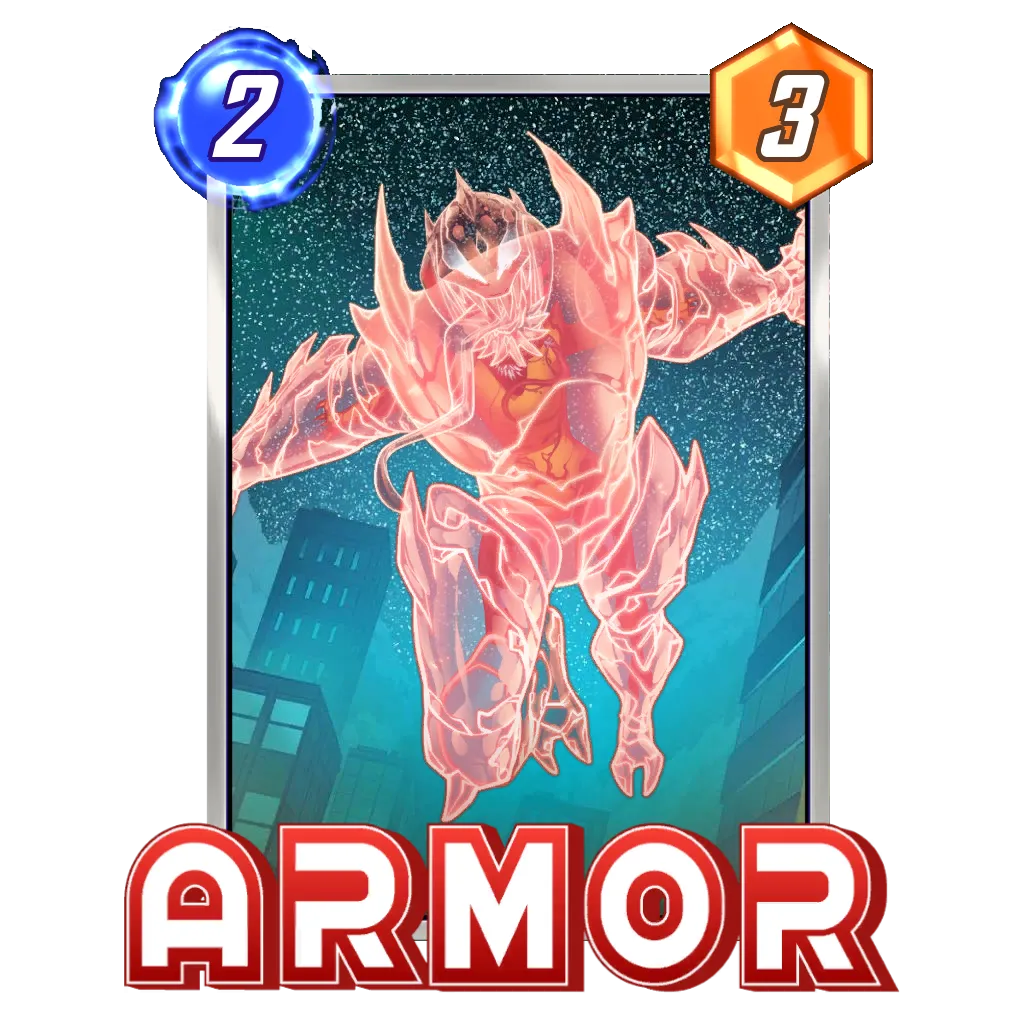
This is an area where Loki excels, and it’s part of the reason Arishem is so successful in Conquest. The options you can afford to include increase, and you can limit the main game plan in favor of some game changing options. Armor, for example, is a card that is rarely recommended on Ladder—even when you have big cards to defend. But if you can include it in Conquest, it can flip the “locked in a bad match up” scenario against a Destroy player who just keeps getting Deadpool on Turn 1 every game (the Destroy deck doing the thing is more likely than not, but they don’t have much flexibility and that is easy to exploit going into Infinity Conquest where players of all levels can be waiting).
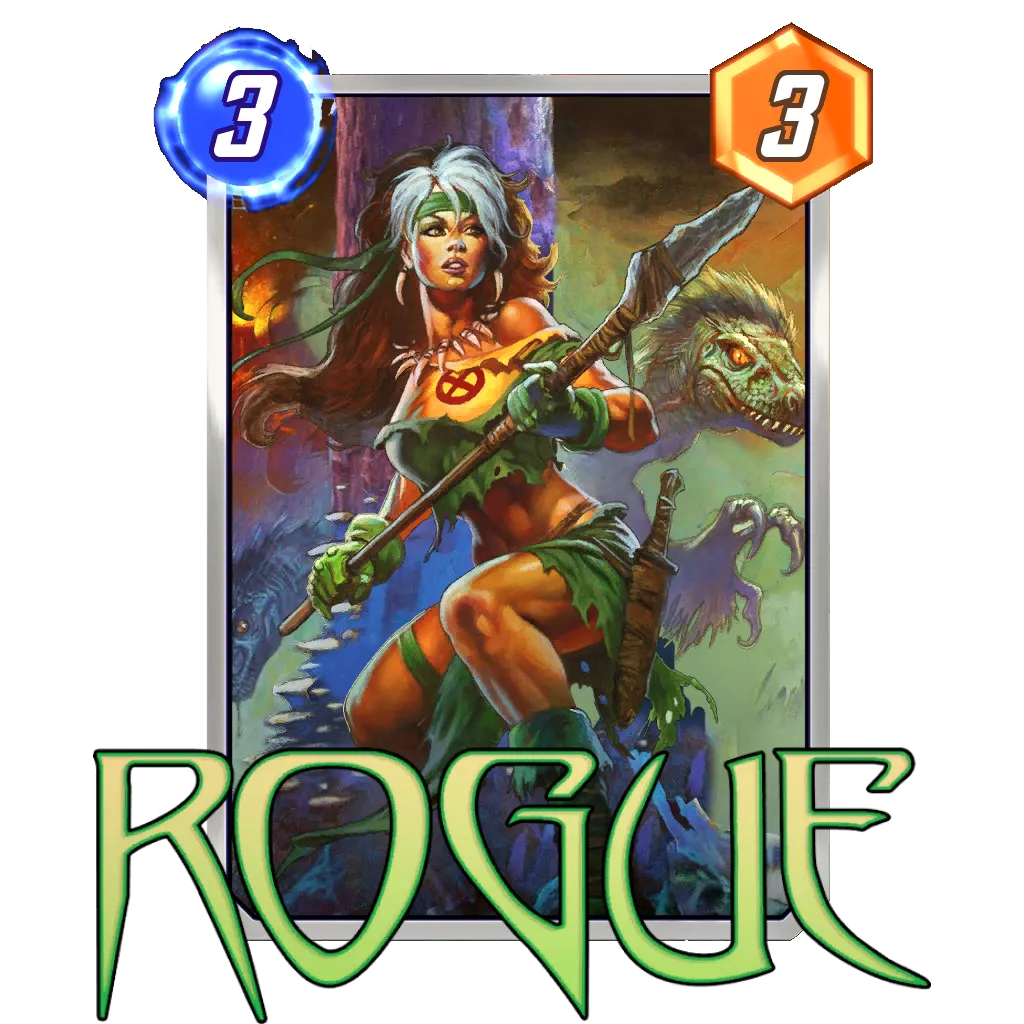
With that said, Rogue is the queen of Conquest. This one card can give you a fighting chance into many decks during your run. This small adjustment of running Armor and Rogue may limit your success in a BO1, but when you are forced to see the same deck multiple times they can be absolutely game changing.
Is One Plan a Problem?















 Decks with Mister Negative









 Decks with Shuri
Many players have decks with multiple different goals and back up plans that are points of contention if a deck just loses to X or Y. However, the most powerful things to do in Snap are often polarized and require the whole deck to work towards that game plan. This is at odds with Conquest, as I mentioned above, because the biggest issue most people have in Conquest is when they end up “locked” in a bad match up. However, diluting your deck too much can end up with you not finding your synergy and just losing because there is nothing for you to do. The trick here is to try solving the “tech card” problem with cards that overlap with your deck’s main game plan. For example, this can mean not playing Shang-Chi if your deck goes really tall on lanes anyway. Instead, maybe try cards like Red Guardian that can hit the early game scaling cards that compete with your game plan and that can be played on curve.
SafetyBlade


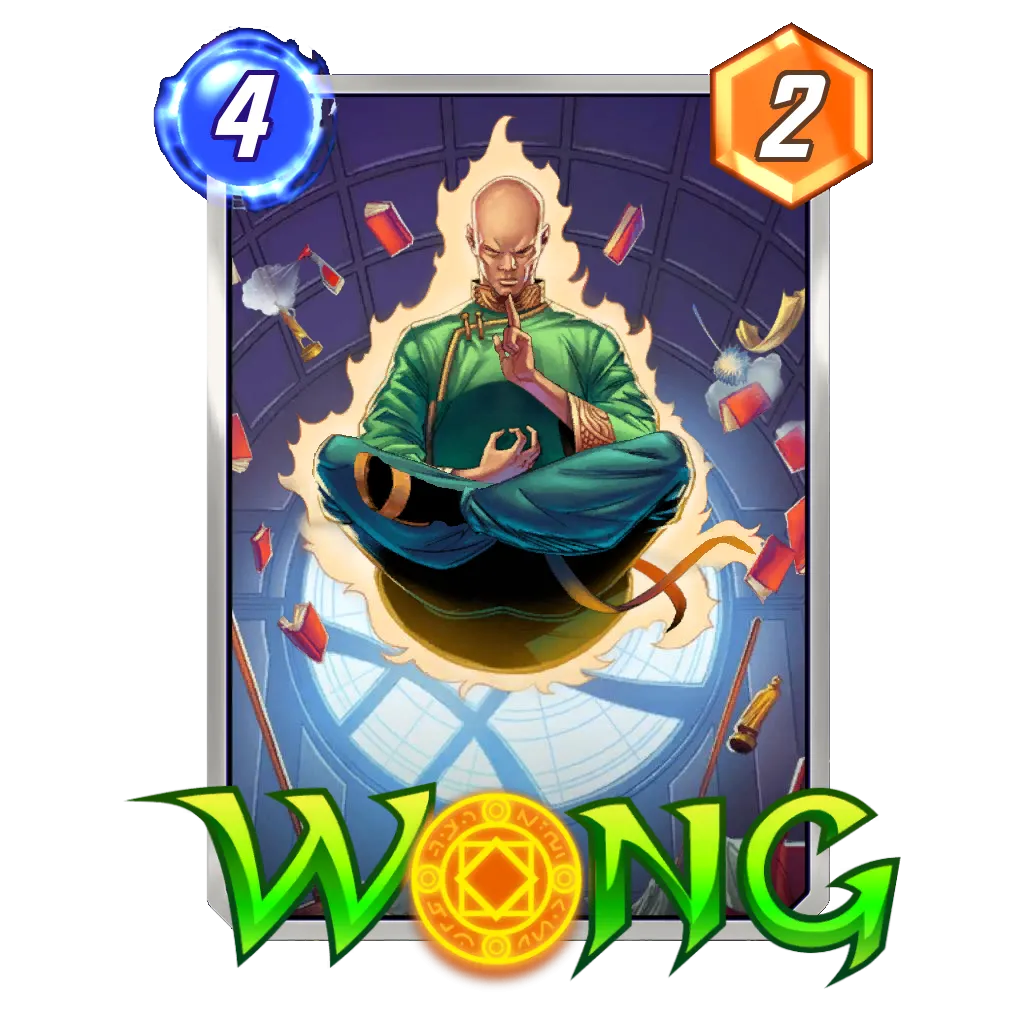
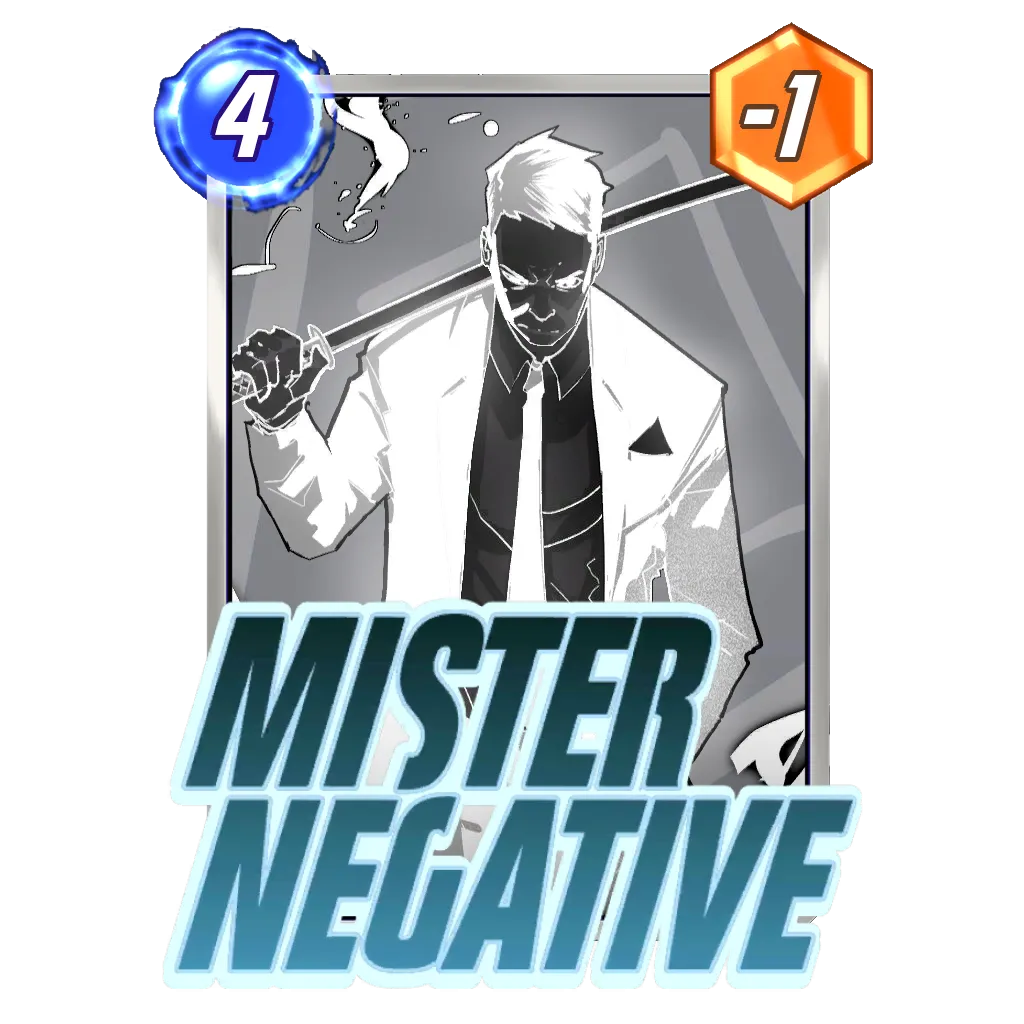
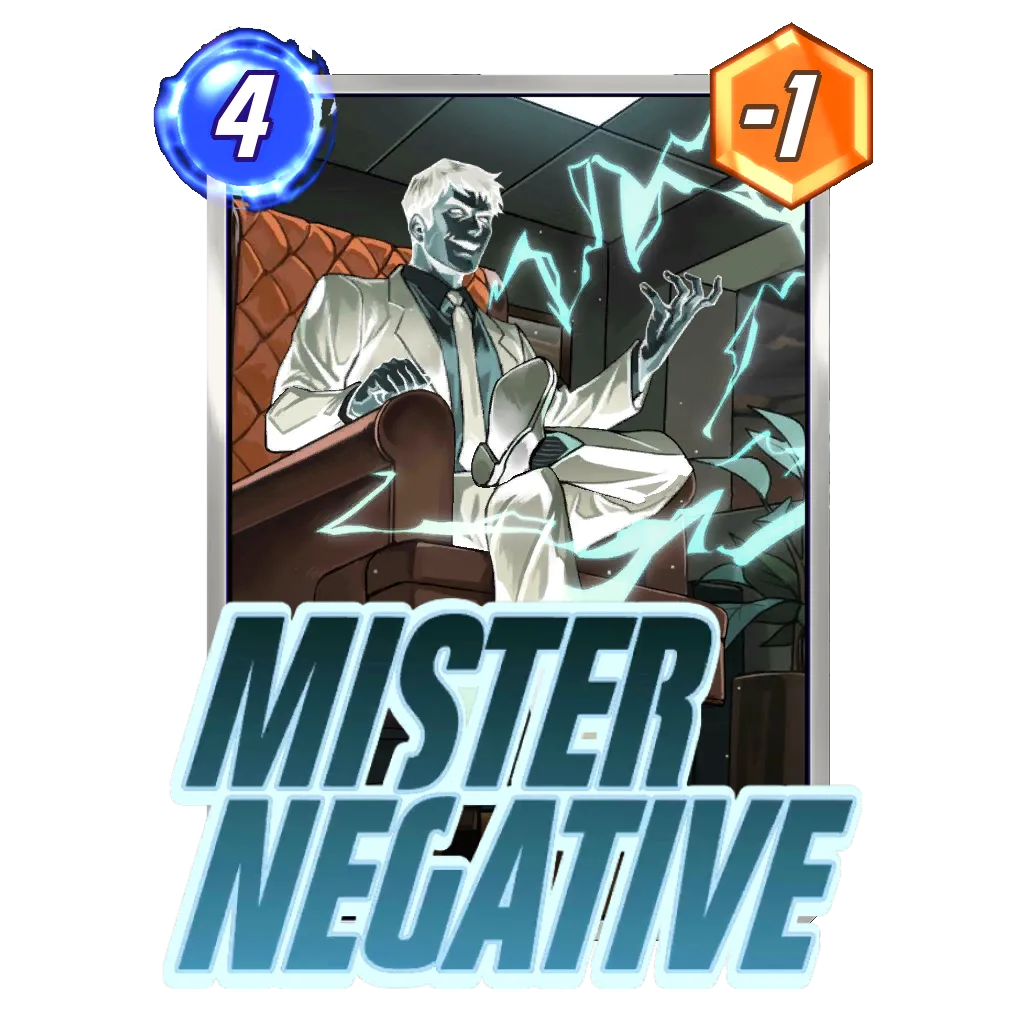
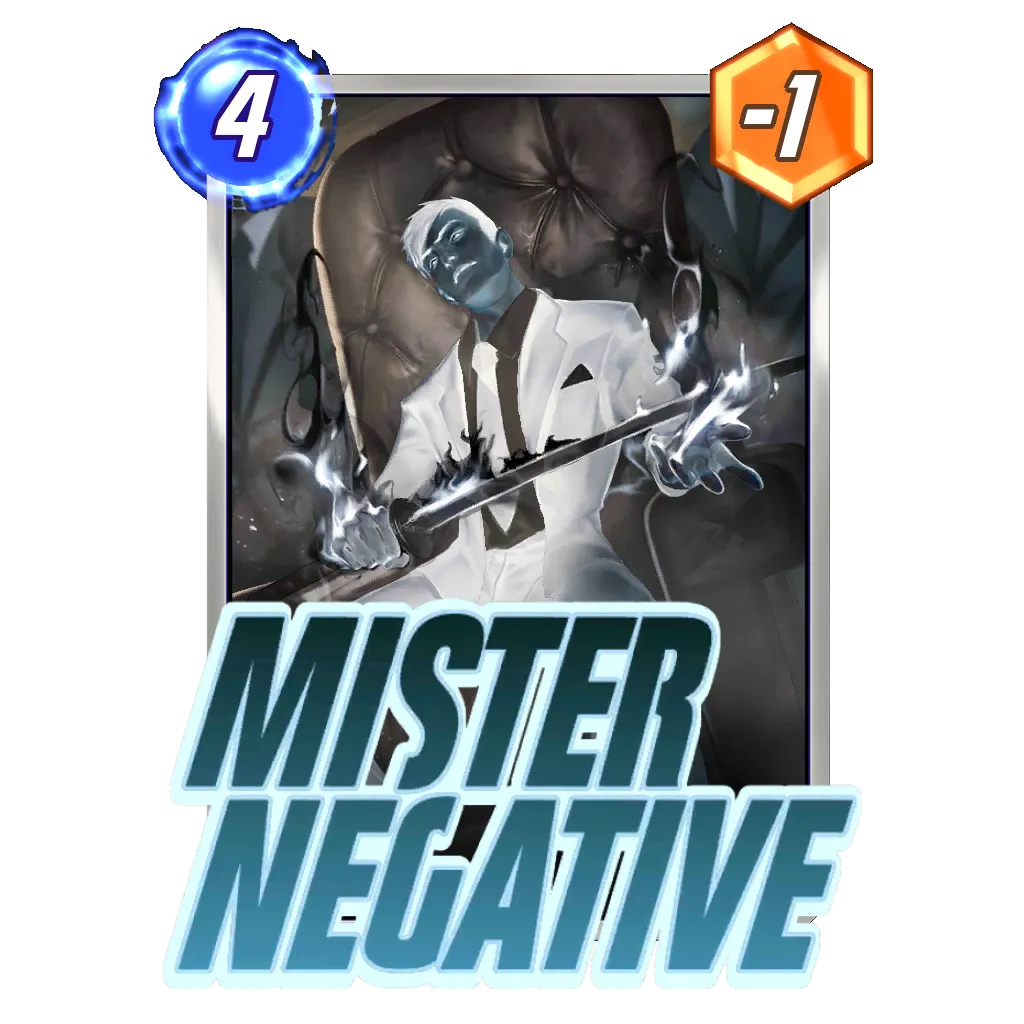
That is exactly what I have done with this list. Mister Negative usually thrives off of getting the combo at all costs, but I removed Psylocke to play Red Guardian here. Instead of countering the Shang-Chi targets, you are countering the early cards—the Move cards (Jeff and Nocturne), scalers (Thena and Angela), and, of course, Mobius M. Mobius. On the Ladder you can get away without Red Guardian since you can limit your losses. But when you have to play lots of matches against the same deck and you’re trying to do one big thing, you want to have ways to defend your plan and wait for your chance.
The Surprise Card



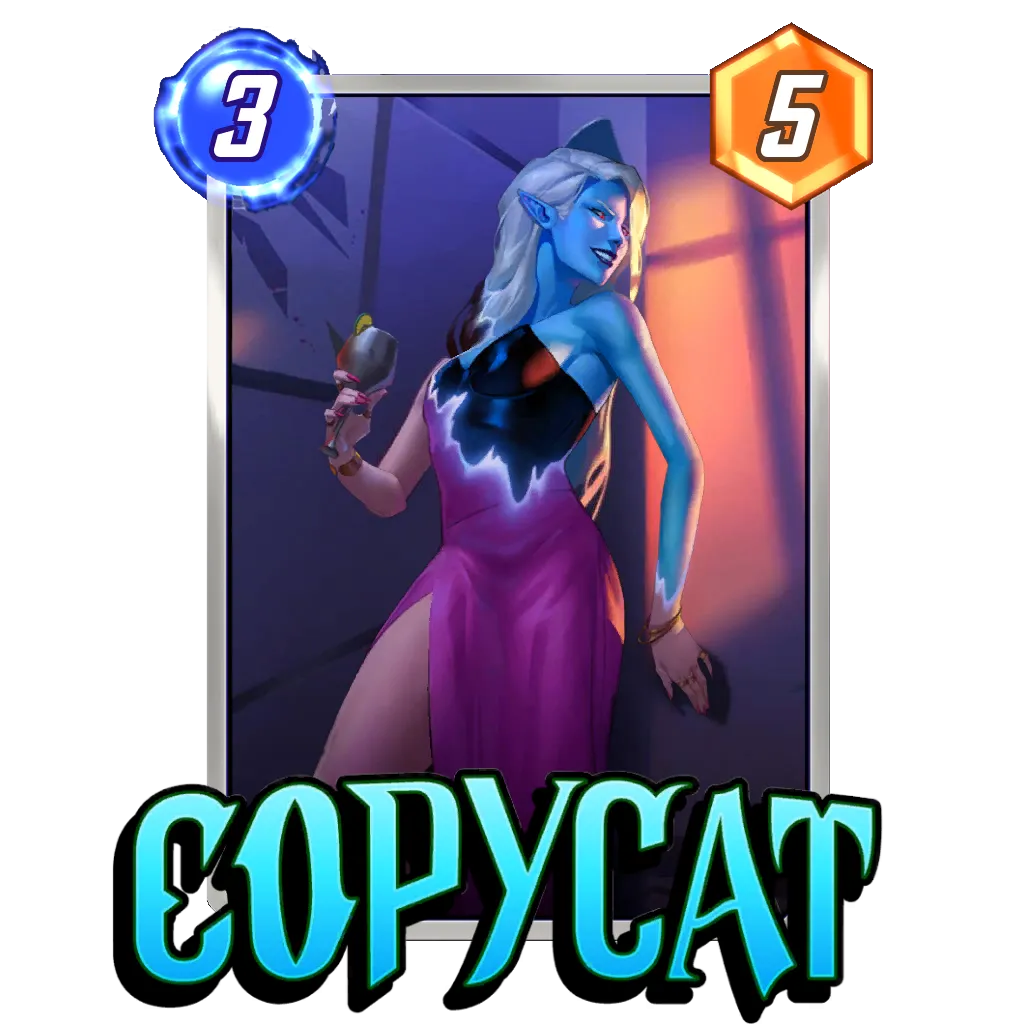


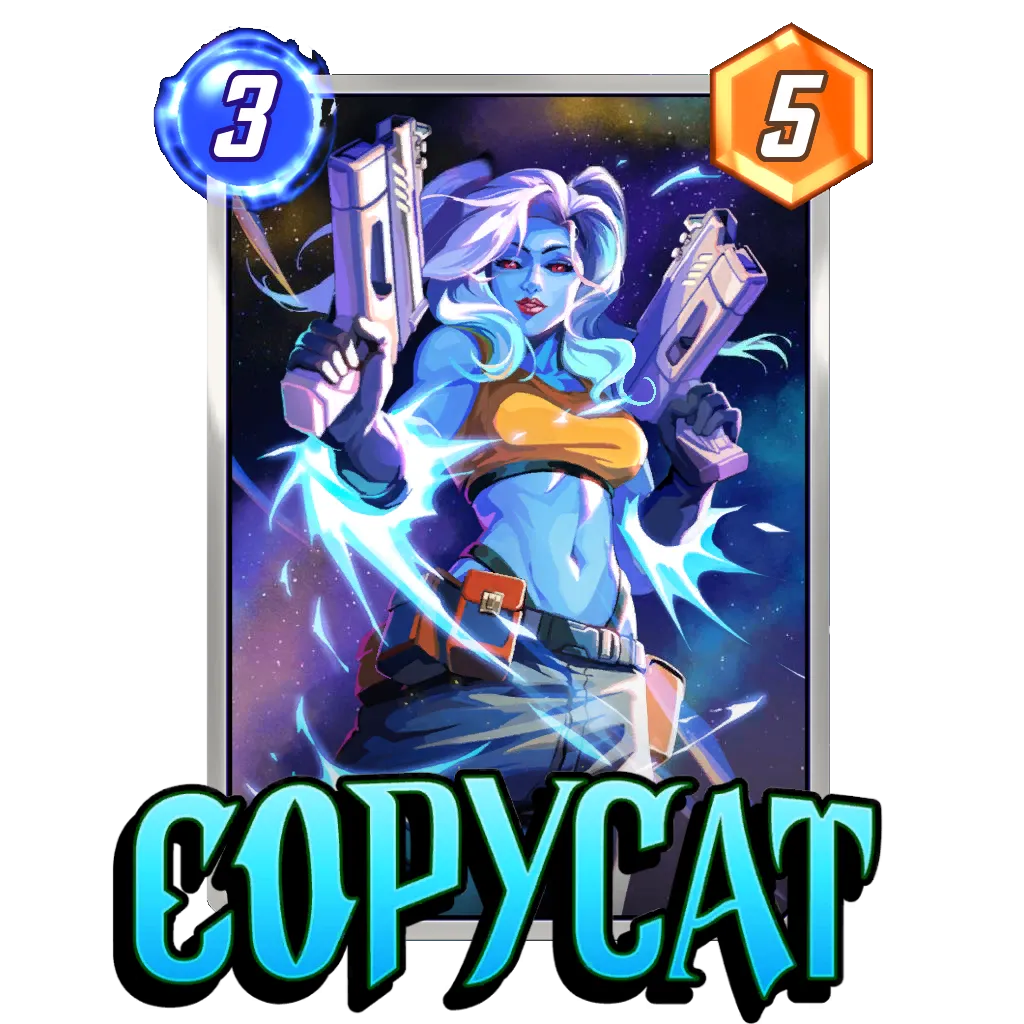





 Decks with Copycat


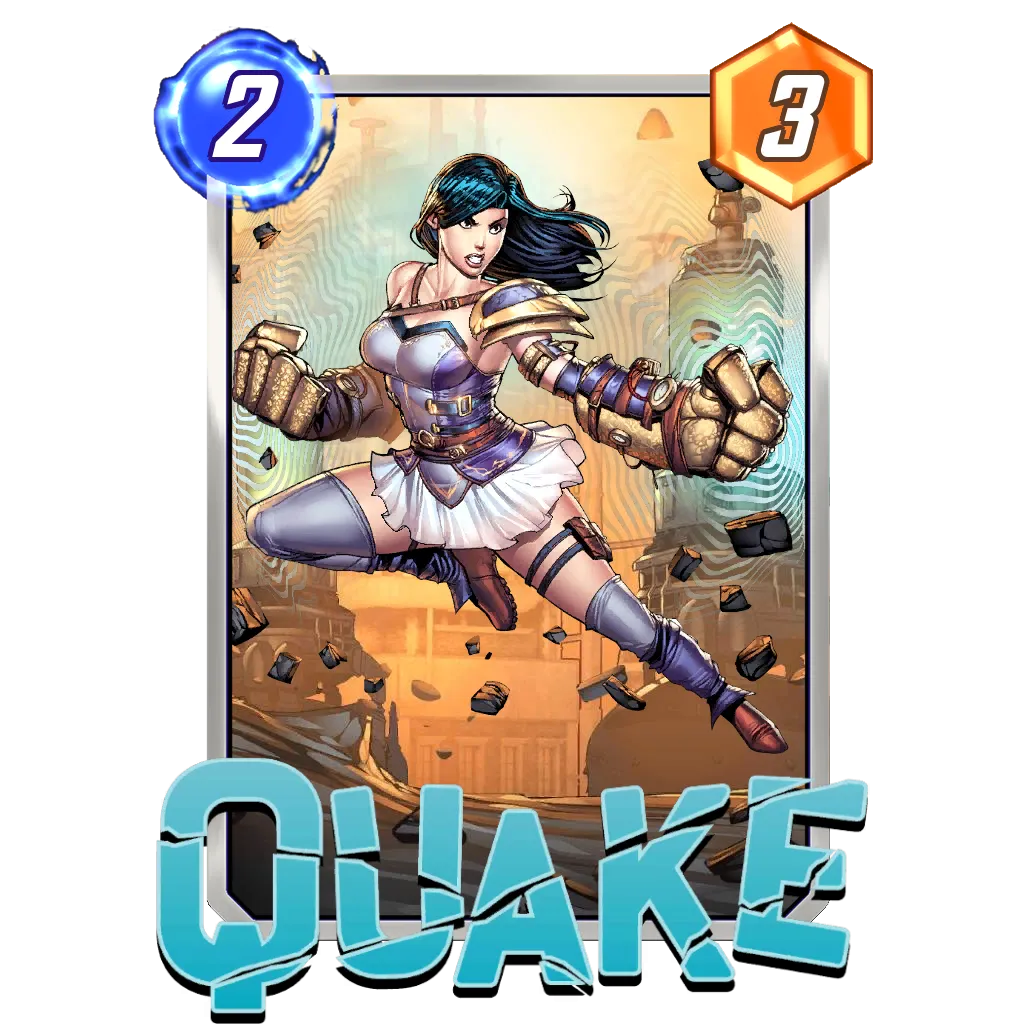


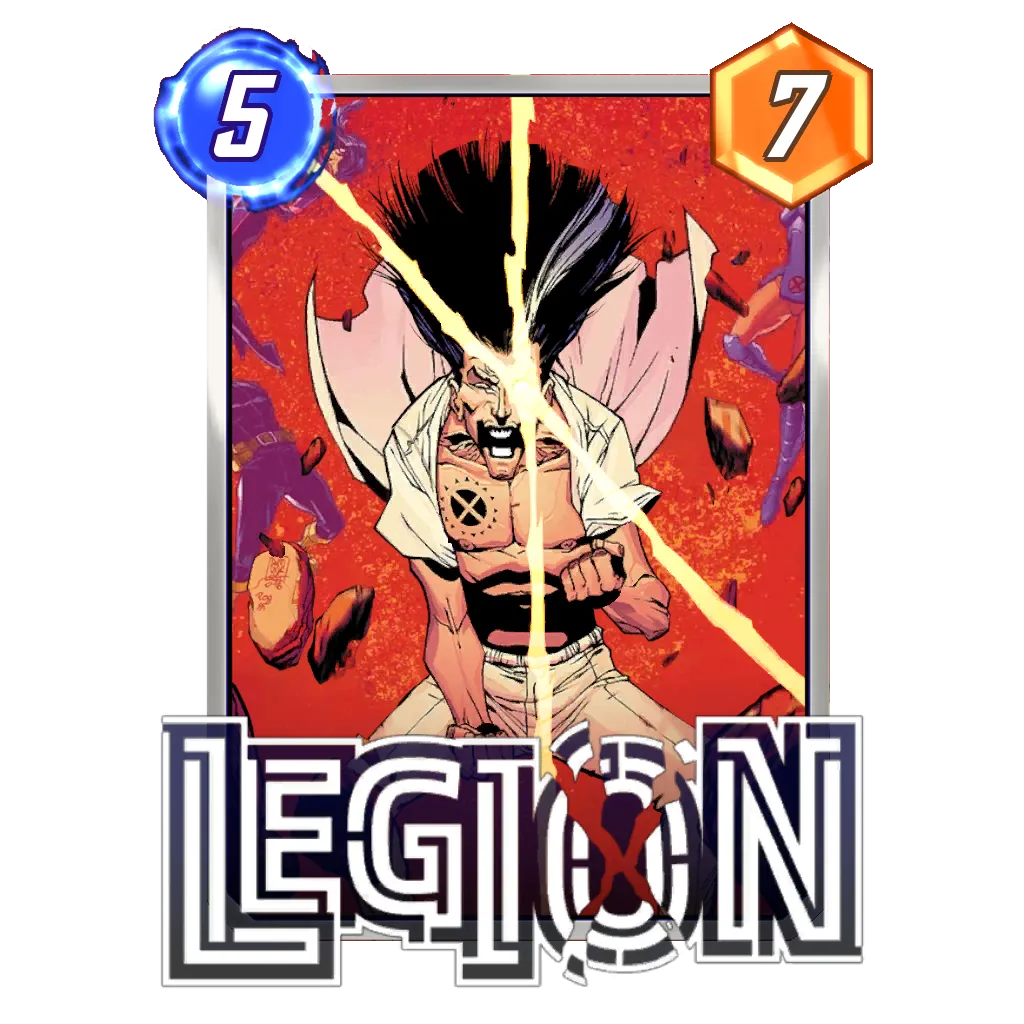


The Ladder does incentivize you to ensure you have as many good cards as possible, as specific scenarios can be mitigated with the Retreat button. For how Snap is balanced in general, this is why the Ladder will always be the main game mode (but that is a topic for another day). Going into Conquest, Ladder decks will always be good enough because they are generally aimed at competing with the meta. Heeding the above tips, evaluating your weaknesses, and adding something to combat those weaknesses, however, is still a really good idea in Conquest.
Another route you can take is playing true surprise cards. These are cards that get value every now and again, but they often end up being card number 13 or 14 when building a Ladder deck. Legion is one of those cards. It has a strong effect that can change games that were unwinnable, but it doesn’t synergize with many strong strategies on it’s own. The same can be said about Quake. When you’re in a “locked” encounter with someone, cards like these can be the difference makers—especially in the early battles where you can win big cubes.
SafetyBlade


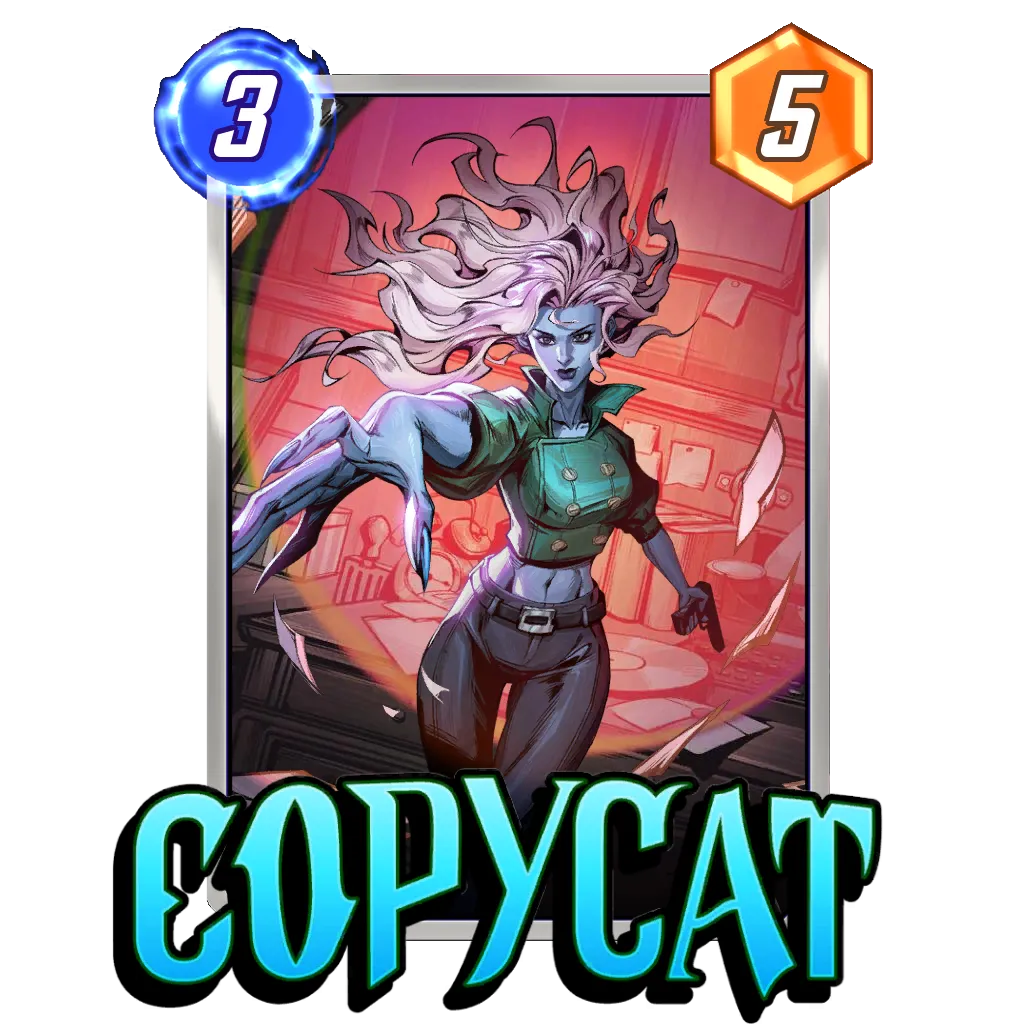
Which brings me this deck. On Ladder, you more often see Gwenpool targets in place of Rogue and Legion. However, given that the main game plan revolves around the early game and your scalers, you can swap those cards for more situational cards and still rely on Gwenpool for stats. While you lose more in BO1, in Conquest you can take advantage of the tech cards and Legion to lose a couple 1 or 2 cube games in order to win the big games that you need to (and you’re better into random decks as well).
Closing Thoughts
Conquest is still Marvel Snap. Knowing your deck and playing it well will carry you a lot further than trying to beat the meta. However, when you focus on the main difference between the Ladder and Conquest, you can make some small adjustments to your decks that could reduce your BO1 Win Rate but will make you more likely to be able to compete with a much wider range of decks, You do this by maintaining your core game plan and either including tech cards that cover your weaknesses or playing surprise cards that can win games. Both are solid options, and I hope these tips and the examples above help you adjust and prepare to take on the Infinity Conquest.
Good Luck, Have Fun, and Stay Safe!



More Content